Profile and significance
Nikolay Jensen is a young Norwegian freeski athlete born in 2005 who is beginning to leave a clear trace in both the competition scene and the core film world. Competing under the banner of IL Heming, he focuses on slopestyle and big air, building FIS points and experience on European Cup and national-level courses while still in his teens. At the same time, his name appears in one of the most talked-about crew projects in recent years, signalling that he is not just a contest rider but also part of a creative movement in modern freeskiing.
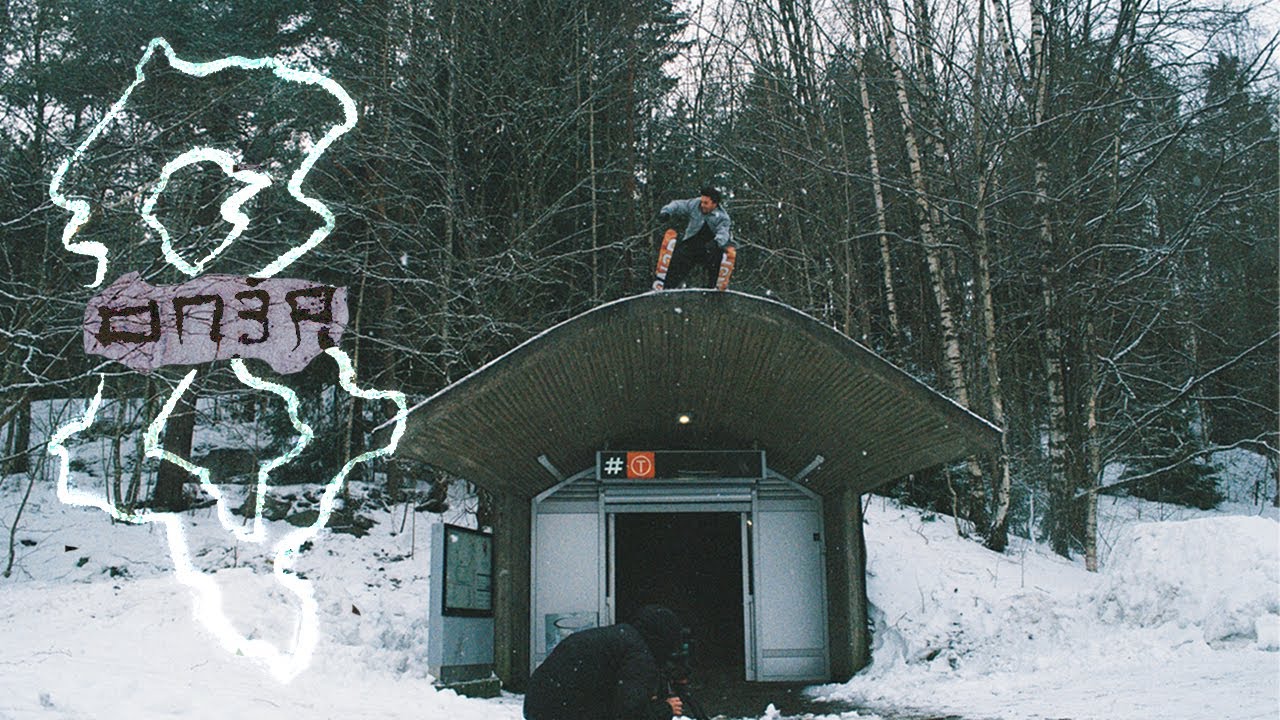
Jensen is one of the younger faces in the Capeesh universe, riding alongside established names in the “schøneben” edit and in the build-up to the Ethan Cook film “Catpiss.” For fans following the new-wave jib and park scene, seeing his name listed next to heavy hitters in that crew marks him as an emerging skier with serious potential. He stands at the point where structured pathways from the International Ski and Snowboard Federation meet the looser, more expressive world of fashion-house crews, street missions and film-driven culture.
Competitive arc and key venues
On paper, Jensen’s competitive résumé is still in the early stages, but it already shows steady progression. The FIS database lists him as a Norwegian freeski athlete specialising in slopestyle and big air, with results from national events and European Cup stops. Recent seasons include starts in FIS slopestyle competitions at Geilo and Trysil as well as European Cup and European Cup Premium slopestyle events, plus big air appearances at the Norwegian National Championships. These starts are the standard building blocks for a young athlete trying to move from national scene to international relevance.
Venues matter because they shape the type of skiing an athlete learns to trust. Trysil, Norway’s largest ski resort and a long-time national freeski hub, has hosted several of Jensen’s slopestyle and big air events. The resort’s interconnected areas and dedicated snow parks give athletes long, feature-packed runs where they can test full contest lines. On the European side, his start list includes LAAX in Switzerland, a resort widely recognised for its world-class snowparks and major freestyle events. Combining Norwegian training hills, national-level courses and one of Europe’s most progressive park resorts gives him exposure to a wide range of jump shapes and rail setups while he is still developing his competitive identity.
How they ski: what to watch for
Although detailed trick lists are less documented for an emerging rider than for long-established stars, there are patterns you can watch for in Jensen’s skiing. In Capeesh projects and social clips tied to “schøneben,” he appears in lines built around rails, wallrides and improvised features rather than classic stadium-style big air only. The crew is known for jibbing everything from standard park rails to chalet roofs and street furniture, and Jensen’s skiing fits that approach: he looks comfortable moving from a clean rail hit into a side-hit or wall feature, keeping runs playful instead of rigid.
On slopestyle courses, that same mindset translates into how he links features. Instead of treating each rail or jump as an isolated job, he works to carry speed and flow from one to the next, blending competition structure with a crew-edit mentality. It is less about the single heaviest spin and more about how the whole line reads from top to bottom. For viewers, the key details to watch are his body position on rails, how early he sets rotational movements, and how he uses small terrain changes between features to add style without sacrificing control.
Resilience, filming, and influence
Jensen’s inclusion in Capeesh projects is significant for such a young athlete. The crew has built a strong reputation as both a clothing label and a creative outlet, curating a tight team that feeds a steady stream of edits and now a full-length film. Sharing screen time with established names in “schøneben” and contributing footage toward “Catpiss” means that he is trusted to deliver clips that stand up next to some of the most respected jib skiers in the game. That is a different kind of pressure than a bib number, but it is pressure all the same.
Balancing filming and FIS events requires resilience. European Cup slopestyle stops can mean long travel days, changing weather and courses that evolve during training and competition. Filming missions, especially with a crew that looks for unconventional features, add heavy repetition and the mental toll of trying the same technical move until it is clean enough for the final cut. Even at this early stage, Jensen is learning to live in both worlds, and that experience should serve him well whether he leans more heavily into contests, films or a mix of both in the future.
Geography that built the toolkit
Jensen’s club, IL Heming, is based in Oslo and is one of Norway’s multi-sport institutions with long roots in skiing. Training through a club system like this typically means structured sessions, regular access to winter facilities and a culture that values skiing as a year-round focus rather than just a pastime. It also places him in a region where short, floodlit slopes and evening park laps are the norm, building the repetition and comfort on rails and jumps that modern slopestyle demands.
From that Oslo base, his competition schedule extends to larger destinations. Trysil’s extensive snow parks and variety of lines create a proving ground for contest-ready runs, while European trips to Trysil’s national-level setups and the big park infrastructure of LAAX expose him to international standards early. Filming retreats with the crew, such as the Austrian sessions that produced “schøneben,” further broaden that geographical toolkit by pushing him to adapt contest-informed technique to rooftops, urban approaches and offbeat transitions.
Equipment and partners: practical takeaways
Public data does not yet list Jensen’s long-term ski and boot sponsors in detail, but one visible partnership is his association with Capeesh. The brand positions itself as a fashion house as much as a ski company, and its team riders are chosen as much for their creative approach as for any specific results sheet. For a young skier, being part of that environment means skiing in outerwear and streetwear designed around frequent contact with rails and concrete, where durability, freedom of movement and a cohesive aesthetic all matter.
For progressing skiers looking at his path, the equipment lesson is less about copying exact models and more about matching gear to goals. A solid twin-tip park ski with a flex that allows for presses and butters while still supporting bigger impacts, boots that hold the foot securely for rail precision, and outerwear that survives repeated falls on metal and snow are the essentials. Jensen’s mix of FIS events and crew filming shows that once those basics are in place, the real progress comes from hours of practice and a willingness to use any available terrain—park lines, side hits, or urban spots—as a training ground.
Why fans and progressing skiers care
Fans of modern freeski culture should keep an eye on Nikolay Jensen because he represents the next wave of riders coming out of Norway’s deep talent pool. He is already visible in two crucial arenas: the official FIS structure, where he is building results and experience in slopestyle and big air, and the creative film world, where he rides alongside some of the most influential jib and park skiers of the moment. That dual presence gives him a chance to influence both the judged side of the sport and the looser, style-driven side that shapes how freeskiing looks online.
For skiers who are still progressing, his trajectory offers a relatable blueprint. Start by building strong fundamentals through local clubs and national events, then look for crews and projects that match your personality and skiing style. Jensen is not yet a World Cup podium regular, but he is already carving out a place in a respected crew and appearing on serious competition start lists. Watching how he continues to develop—whether toward bigger results, heavier film segments or a balanced mix of both—will be a good case study in what it means to be an emerging freeski athlete in the current era.