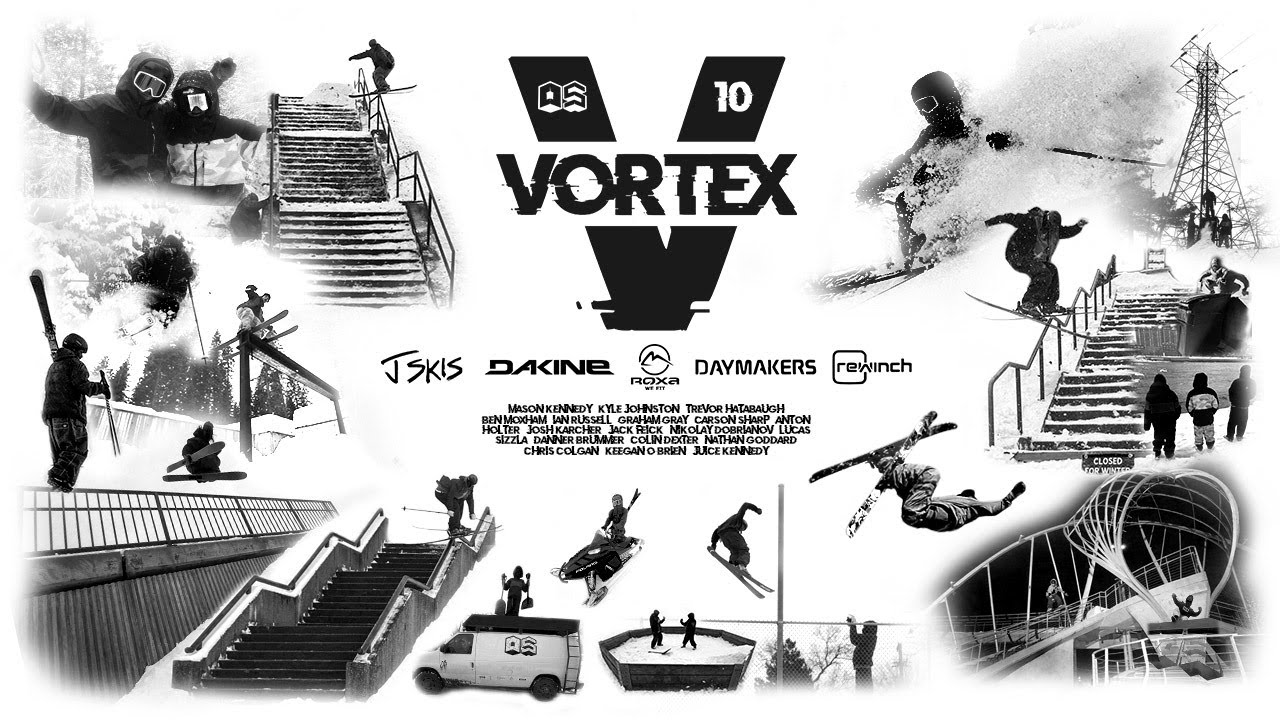
VORTEX - Full Ski Film
Profile and significance
Nathan Goddard, better known online as “Noddard” or “Coach Noddard,” is a freeski coach, filmer and park skier whose career ties together several influential corners of modern ski culture. For more than a decade he has been releasing edits on community hubs like Newschoolers, starting with early-2010s park films from Timberline on Mt. Hood, Boreal and Summit County, and evolving into more recent projects that spotlight the freeski scenes of Bend, Oregon and the American West. His “Hustle & Snow” edits under The Hoth Fellowship banner, the “Hood January” segment and the “Janky Jump Day” Boreal piece established him early as both skier and filmmaker, someone as comfortable behind the camera as in front of it.
Today, Goddard is best known for balancing three roles: creative force behind “Coach Noddard’s Chronicles of Cork,” a web series documenting the park culture around Bend and Mt. Bachelor; rider and crew member in OS Crew films like “FUEL” and “VORTEX”; and coach for the Durango Winter Sports Club’s freeride program in Colorado. That mix makes him significant less as a contest name and more as a connector. He mentors young riders in the Rockies, showcases the Central Oregon community to a global audience and appears alongside respected street and backcountry skiers in one of North America’s most productive independent crews, tying grassroots scenes together through his lens and his turns.
Competitive arc and key venues
Goddard’s path has never centered on World Cup standings or Dew Tour invites. Instead, his “competitive arc” is told through edits, film credits and the terrain parks and sidecountry zones where he and his crews spend their time. Early work on Newschoolers shows him lapping the public park at Timberline, sliding Timberline’s rail line and midwinter jumps with a close-knit crew of Oregon riders. Throwback pieces like “Noddard Breck 09/10” and Summit County edits add in Colorado’s Breckenridge and nearby resorts, hinting at the seasonal migrations that would later define his life between the Pacific Northwest and the Rockies.
That film-first trajectory sharpened when he linked up with OS Crew, the Boise-based collective behind a long-running line of street and backcountry movies. Goddard appears among the athletes in “FUEL,” which screened in the iF3 film guide, and again in “VORTEX,” OS Crew’s tenth annual release that tours through theaters and festival-style premieres across Idaho, Utah, Nevada and beyond. At the same time, he launched “Coach Noddard’s Chronicles of Cork,” a series focused on the local scene at Bend and the parks of Mt. Bachelor, positioning himself as host, filmer and occasional on-snow star. Add in more recent connections to the Durango Winter Sports Club in Colorado, where he coaches freeride athletes, and his key venues form a triangle of influence: Central Oregon park laps, Intermountain street and backcountry film trips and Southwest Colorado competition training grounds.
How they ski: what to watch for
Across his edits, Goddard’s skiing reads as classic park-rat fundamentals refined over years of mileage. In “Hood January” and similar Mt. Hood clips, he favors medium to large jumps where he can spin smoothly with strong grabs and land high on the transition, keeping speed into the next feature. Rails are approached with a relaxed but deliberate stance, shoulders square over his feet and eyes tracking down the feature rather than at his tips. Many lines are built around clean frontside and blindside spins on and off, with extra style coming from subtle presses or tweaks rather than wild contortions.
What stands out most is how he links features. Whether filming “Janky Jump Day” at Boreal or documenting local laps in Bend, Goddard rarely treats rails and jumps as isolated tricks. Instead, he uses side hits, knuckles and rollers to connect the park into a single flowing run, adding quick butters or small direction changes between major hits. Viewers studying his footage will notice that his edge sets happen early and smoothly, his upper body stays comparatively quiet and he maintains consistent speed from top to bottom. Those are the habits that keep runs looking effortless, and they translate well when he steps into the more complex lines and variable in-runs of OS Crew street and backcountry shoots.
Resilience, filming, and influence
Goddard’s influence is tied as much to his camera work and coaching as to his personal trick list. From the early Hoth Fellowship days through “Chronicles of Cork,” he has consistently taken on the workload of filming, editing and storytelling—sacrificing some of his own time in the spotlight to frame his friends and local scenes in the best possible light. The recent “Chronicles of Cork” episodes push that further, functioning almost like mini-documentaries on the Bend and Mt. Bachelor community rather than simple self-promotional edits. They capture slam-heavy days, strong tricks from unknown locals and the small victories that define grassroots park culture.
Resilience is built into that approach. Street shoots with OS Crew routinely involve night sessions, repeated winch pulls and plenty of frustration before the final clip gets saved. Park and community projects demand similar persistence: long days chasing changing light, weather windows and park rebuilds, followed by hours in the edit bay turning raw footage into cohesive stories. On top of that, coaching freeride athletes in Durango means early mornings, comp-day nerves and the slow, patient process of helping teenagers develop line choice and composure. Together, those roles amplify his influence. Young skiers encounter him as a coach on snow, as a filmer pointing the camera at them and as the voice behind online series that celebrate their home terrain, creating a loop of mentorship that extends far beyond one season.
Geography that built the toolkit
The geography of Goddard’s life explains a lot about his skiing. Mt. Hood and Central Oregon formed his early playground, with Timberline providing year-round access to jumps and rails and Mt. Bachelor’s playful natural terrain layering in wind lips, side hits and tree lines. Edits like “Bachy June-uary” show him squeezing the last ounces of winter out of spring conditions at Bachelor, laying down slushy lines that reward creativity over brute force. That environment bred a comfort with variable snow and a knack for making the most of small features—skills that are obvious in his later work.
As his map expanded, Colorado and the broader Intermountain West added new dimensions. Time in Summit County parks refined his jump game on bigger, more formal features, while connections to brands and crews took him to Woodward Copper, Utah resorts and the street and backcountry zones that OS Crew favors around Idaho and neighboring states. More recently, Durango and the peaks around southwest Colorado have given him daily access to steep freeride terrain through the Durango Winter Sports Club. Moving between these regions, Goddard developed a toolkit that blends Pacific Northwest park looseness with Rocky Mountain line awareness, making him comfortable whether he is filming a laid-back local lap or helping an athlete visualize a competition venue.
Equipment and partners: practical takeaways
Goddard’s relationship with equipment reflects his dual identity as both athlete and industry insider. A LinkedIn profile lists him as a marketing intern for RMU Skis, connecting him directly to the Colorado-born brand whose freeride and touring models are showcased on the RMU site. That experience bridges skier and company perspectives, giving him insight into how modern freeride and park skis are designed, promoted and tested in the field. In his own edits, he typically rides versatile twin-tip setups that can handle everything from Timberline’s summer rail lines to slushy Central Oregon booters.
His film work with OS Crew places him inside a broader ecosystem of partners. “VORTEX” is supported by outfits such as J Skis, Dakine, Roxa Boots and Daymaker Touring, brands focused respectively on durable twintips, technical packs and gloves, responsive boots and adaptable touring hardware. Daymaker has also highlighted him in a touring edit, showing him using their adapters to bring a park-style stance and ski to backcountry powder laps. For progressing skiers, the practical lesson is not that any one logo is mandatory, but that a coherent setup—twin-tip skis tough enough for rails but trustworthy in variable snow, boots that stay comfortable through long days and outerwear built for real winter—allows a rider to move fluidly between park filming, resort laps and small touring missions.
Why fans and progressing skiers care
Fans and progressing skiers gravitate toward Nathan “Noddard” Goddard because his story feels both authentic and attainable. He did not arrive in the spotlight via a single viral trick or a major contest win; instead, he built a body of work piece by piece, from early Timberline edits and Hoth Fellowship projects to OS Crew films and “Chronicles of Cork.” Along the way he added coaching roles and brand-side experience, showing that it is possible to craft a life fully immersed in skiing without fitting into one narrow box.
For young riders at Mt. Bachelor, in Durango or watching online, Goddard offers a model of how to contribute to the sport on multiple levels. You can be the person pressing record as well as the one dropping in, the coach setting course inspection plans and the skier still learning new lines yourself. Studying his footage—how he builds park runs, how he keeps sessions fun and how he uses his platform to highlight the people around him—gives practical cues on style, filming and community building. In an era where freeskiing is as much about storytelling and shared culture as it is about tricks, Nathan Goddard stands out as a low-key but influential figure whose work ties together parks, films and freeride youth in a way that resonates far beyond his home mountains.