Mason Kennedy
Profile and significance
Mason Kennedy is a street and park-focused freeski athlete and filmmaker from Idaho, best known as a driving force behind the urban film collective OnSlaught, also known as OS Crew. Alongside his brother Justin “Juice” Kennedy, he has spent more than a decade turning a small DIY project into a recognized name in the international freeski film scene. Growing up lapping the lifts at Bogus Basin above Boise before expanding his range across North America, he built his reputation on hand-built rail spots, long stair sets and creative features in places most skiers would only ever walk past. Over time he has balanced multiple roles—rider, filmer, editor, graphic designer and tour organizer—while continuing to stack clips for annual OS Crew movies.
Kennedy’s significance comes less from contest headlines and more from sustained contribution to the culture of urban and park skiing. His recurring appearances as a Level 1 SuperUnknown semi-finalist, the dedicated “Super Unknown Cut” edits released by OS Crew and his central role in films like “Twenty Twenty,” “Electric,” “Magnetic,” “absORB” and “Vortex” have made him a reference point for modern street skiing. OS Crew’s projects have earned backing from core ski media, support from brands and at least one amateur freeski film award on the festival circuit, confirming that their blend of gritty street footage and tight crew energy resonates far beyond their home region.
Competitive arc and key venues
Instead of a traditional path through slopestyle and big air competitions, Mason Kennedy’s “competitive arc” lives in the edit window and on cinema screens. Early OS Crew clips on platforms like Newschoolers showed a young skier grinding out rail sessions at local hills and in town, posting two-hour park edits, backyard setups and early urban missions under the OnSlaught name. Those years of low-budget filming laid the foundation for bigger projects, culminating in a string of full-length movies that became annual events for their community. The 2020 film “Twenty Twenty” marked a turning point, proving that the crew could produce a cohesive, multi-rider street project even in a disrupted season.
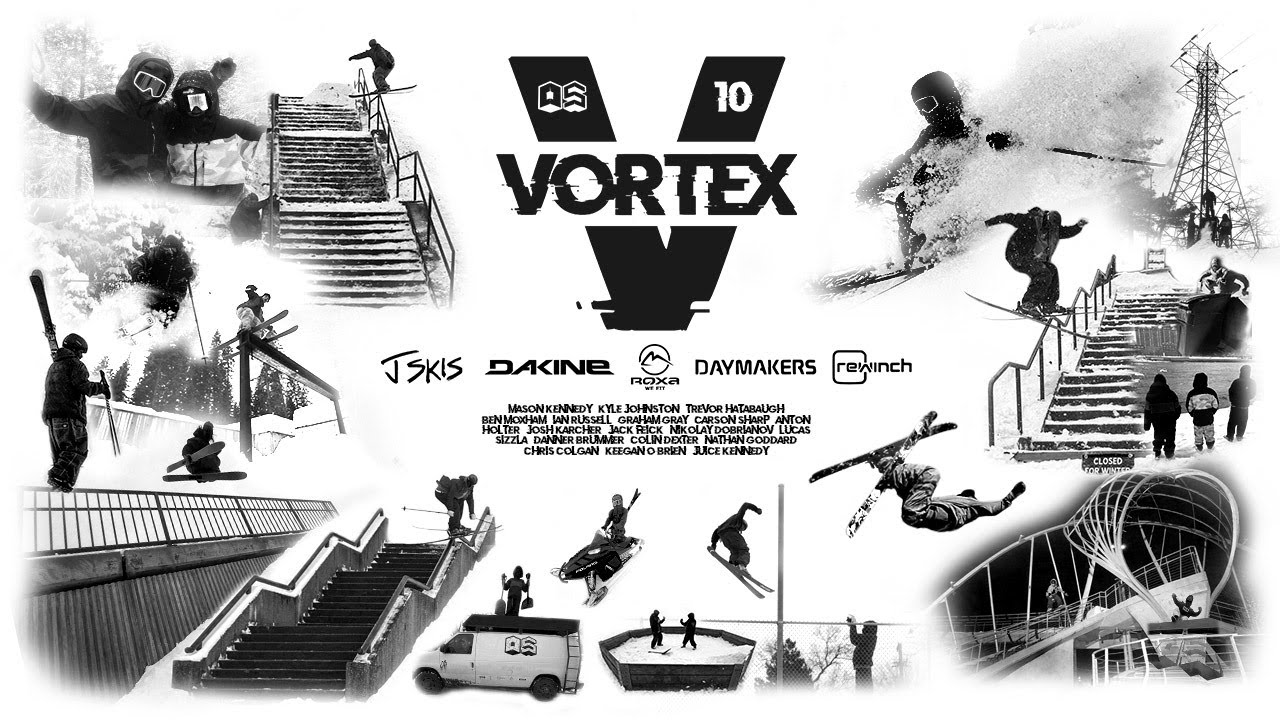
From there, the crew pushed further. “Electric,” billed as their seventh feature, followed Mason, Justin and friends as they toured the United States in a van hitting creative urban spots, with a Boise premiere at the historic Egyptian Theatre and additional showings around the region. Later projects like “Magnetic” and “absORB” kept the momentum going, and by the time “Vortex” was announced as OS Crew’s tenth annual ski film, festival listings and trailer roundups were treating the crew as fixtures of the modern freeski movie calendar. Along the way, Mason’s profile grew through Level 1 SuperUnknown semi-finalist edits and appearances at ski film tours, where his name shared billing with riders and crews from around the world.
How they ski: what to watch for
Mason Kennedy’s skiing is rooted in rails and urban features, and you can see that immediately in the way he approaches any setup. He favors long, technical lines where each feature flows into the next rather than isolated single tricks. Watch his “Super Unknown” and “2019” edits and you will see him treating multi-kinks, close-out rails and transfer options as puzzles to be solved with spins on, pretzels, surface swaps and presses instead of just straight slides. A typical line might involve a gap onto a kinked rail, a quick switch up in the middle, then an intentional exit that sets up the next feature down the stairs or across the alley.
Technically, he skis with a relaxed but strongly centered stance, keeping his upper body calm while his legs handle the impact and balance work. That allows him to stay composed on high-consequence spots where a miss means concrete or metal, not soft snow. On park jumps and in late-spring sessions at places like Woodward and Mount Hood, you see the same control in the air: smooth rotations, deliberate grabs and landings that prioritize continuing the line over celebrating a single trick. For viewers trying to learn from his skiing, the most useful details are his approach speed, his early commitment to edges before takeoff and his habit of looking far down the feature rather than staring at the first contact point.
Resilience, filming, and influence
Street skiing demands resilience, and Mason Kennedy’s career is built on it. OS Crew’s films are full of behind-the-scenes glimpses: shoveling snow into the back of a truck, building lips late at night under floodlights, winching into handrails on frozen city streets and taking the inevitable slam before finally locking in the shot. As a co-creator of OnSlaught, he has had to balance the physical toll of skiing with the logistical grind of planning trips, coordinating riders, handling graphic design and editing hours of footage into tight segments. That long-run persistence is one reason the crew has been able to release ten consecutive annual films—an achievement that rivals many larger-budget production houses.
The influence of that work travels through multiple channels. OS Crew has received support from core ski media platforms and grant-style programs aimed at independent crews, boosting their visibility and validating their approach. They have also built a touring model that takes their films to venues around the Pacific Northwest and the Intermountain West, turning premieres into community events rather than quiet online drops. At summer sessions hosted with partners like J Skis, the crew, including Mason, spends a week riding with younger athletes, hosting rail jams and movie nights and showing campers that DIY crews can have a real impact on the sport. The combination of gritty street output and open, community-focused outreach makes him a reference point for aspiring filmers and riders who want to create more than just a one-off season edit.
Geography that built the toolkit
The places Mason Kennedy skis explain a lot about how he rides. Growing up near Boise meant plenty of time at Bogus Basin, a non-profit community mountain with a strong local park and rail scene. Those nights spent sessioning rails under the lights built both his comfort on metal and his appreciation for local mountains as creative spaces, not just training grounds for bigger resorts. As OS Crew’s ambitions grew, his map expanded to include spots across Idaho and the broader West—small-town stair sets, industrial zones and urban architecture that most passersby would never connect with skiing.
Beyond his home hill, Mason has become closely associated with summer and in-season park venues across the United States. OS Crew content shows him and the crew riding places like Woodward Copper and other Woodward parks, Timberline-style spring laps and resort parks from Colorado to Tahoe. More recently, he has appeared in the role of terrain park guide and on-snow presence at Tamarack Resort in Idaho, sharing safety tips and progression advice with visitors while continuing to design and ride features himself. That mix of community hills, major destination resorts and urban landscapes gives his skiing a wide toolkit: he is equally comfortable making the most of a single down rail at home or navigating a complex handrail in an unfamiliar city.
Equipment and partners: practical takeaways
Kennedy’s equipment choices reflect the realities of street and park-focused freeskiing. For the “Electric” film and surrounding tours, OS Crew listed support from brands including J Skis, Bern Helmets and SPY Optic, alongside other core ski industry partners. In practice, that means a setup built to withstand repeated impacts on metal and concrete as well as variable snow, with durable skis that can handle edge abuse, boots stiff enough for control on heavy landings and helmets and goggles tuned for long nights shooting under artificial light. The emphasis is on reliability—gear that holds up through an entire street trip, not just a few park laps.
For riders looking to draw lessons from his approach, the key point is how well his kit matches his environment. Urban skiing demands thick bases, strong edges, trustworthy bindings and protective gear that a rider will actually wear, even when the session feels casual. Park laps at resorts and summer camps add a different requirement set: all-day comfort, good visibility and layers that work in anything from cold midwinter nights to hot July slush. Mason’s long partnership with OS Crew’s sponsors demonstrates that you do not need the most exotic or backcountry-specific gear to push progression; you need a coherent setup that lets you focus on line choice and execution rather than worrying about whether something will break on the next impact.
Why fans and progressing skiers care
Fans care about Mason Kennedy because he embodies a version of freeski success that feels reachable and authentic. Rather than emerging from a national team or big-budget production house, he and his brother built OS Crew from scratch, starting with local edits and growing into a crew whose films premiere in theaters, appear in festival lineups and win awards while still running on van trips, late-night shoveling and a close group of friends. For many young skiers, especially those far from World Cup venues, his path from Bogus Basin local to internationally known street skier shows that dedication to filming, creativity and community-building can open doors.
For progressing riders, watching Mason’s segments is a masterclass in how to link tricks with vision and patience. His lines show careful spot selection, incremental progression and a willingness to put in the unglamorous work required to ski at a high level in the streets. At the same time, his presence at camps, resort events and premieres keeps him approachable; he is not just a name in the credits but someone actively invested in the next generation’s progression. That combination of technical ability, DIY ethic and community focus is exactly why his profile fits comfortably alongside bigger competition stars in any serious conversation about modern freeski culture.