Josh Karcher
Profile and significance
Josh Karcher is a Boise-bred street and park skier whose style has been quietly influencing freeski culture for more than a decade. Coming up on the night laps and local contests of Bogus Basin, he turned the hills above Boise and the city’s stair sets into his first laboratory, long before his name started appearing in major edits and films. Early recognition from Windells coaches at Mount Hood and features on core websites singled him out as one of the campers to watch, a rider with smooth rail control and distinctive body language rather than just big numbers on a trick list. That impression stuck: whether he is lacing lines at Woodward Copper, stacking shots with OS Crew or appearing in marketing photos for his home mountain, Karcher brings a recognizable, fully formed identity to the screen.
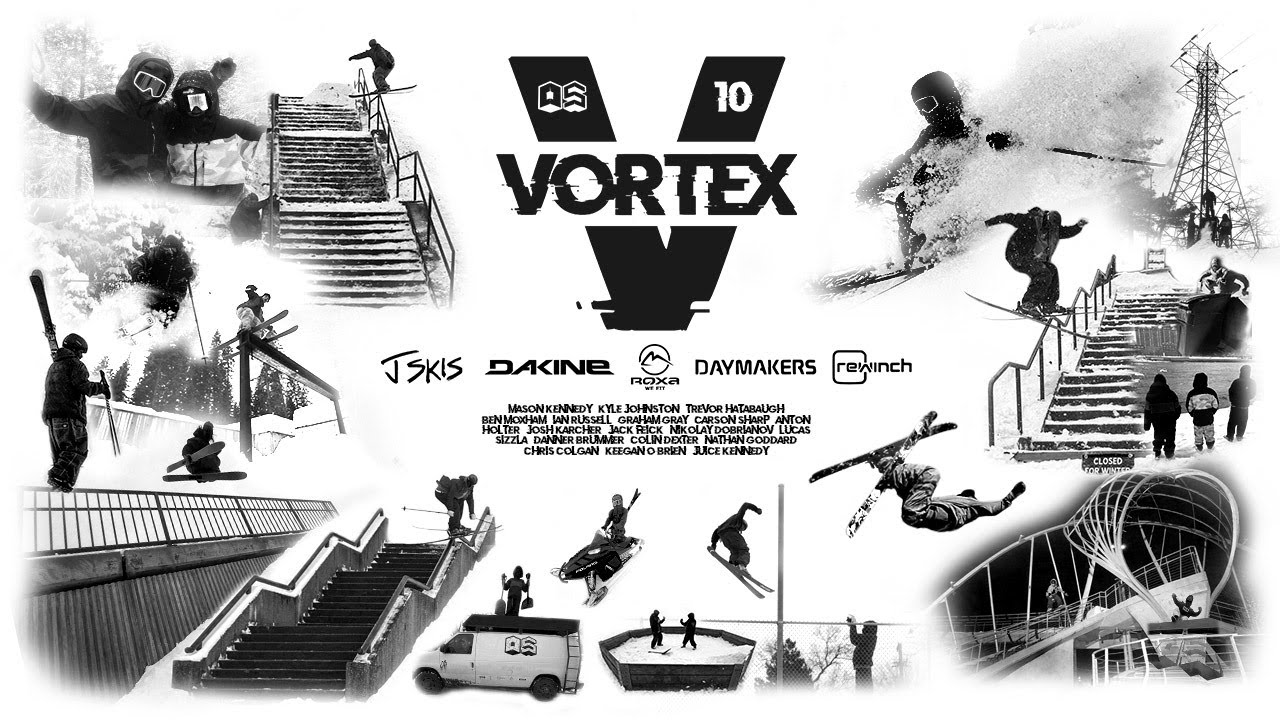
His significance today is anchored in two spheres. First, he has been a long-time team rider and visual centerpiece for Bloom Outerwear, starring in edits like “Daily Routine” and “Thoro” that helped define the brand’s look during the mid-2010s. Second, he is part of the modern street-skiing backbone of OS Crew, with riding credits in their urban-heavy feature “Magnetic” and again in the festival-listed “absORB” and “VORTEX,” the ninth and tenth films in the Boise-based collective’s catalog. Add to that a history as a Level 1 SuperUnknown finalist and the fact that core media still reference his clips years later, and you get a skier whose impact comes from consistent, stylish presence rather than one viral moment.
Competitive arc and key venues
Karcher’s “competitive arc” has never centered on bibs, podiums and ranking lists, but he has still passed through some of the sport’s most respected proving grounds. As a younger rider he became a finalist in Level 1’s SuperUnknown contest, the long-running video-based talent search that has launched many of freeskiing’s most creative athletes. That nod placed him on the radar of filmers, brands and media well beyond Idaho, confirming what his friends and local scene already knew: he had the technical chops and style to stand out in a stacked field of park skiers.
The true heartbeat of his career, though, is in edits and films rather than organized competitions. Early clips from Mt. Hood and Breckenridge showed a rider equally at home on jump lines and rail setups, while pieces like “Daily Routine” from Bloom Outerwear and short Breck park edits cemented his reputation as a “filmer’s skier” whose shots always read well on camera. As OS Crew grew from a loose Idaho crew into one of the most productive street outfits of the last decade, Karcher’s name started appearing alongside theirs more and more often, culminating in full rider credit in the urban feature “Magnetic” and multi-terrain follow-ups “absORB” and “VORTEX,” which tour to theaters and film festivals each season.
How they ski: what to watch for
Josh Karcher’s skiing is defined by detail. On rails, he favors lines that look deceptively simple until you break them down frame by frame: precise approach speed, early edge set, and a stance that stays relaxed but stacked over his feet from the first tap to the last kink. He is known for long, continuous rail rides that might start with a gap-on or lip-on entry, add a press or subtle surface swap mid-feature and finish with a controlled spin out that lands him already thinking about the next obstacle. Even when the spot is unforgiving—close-out rails, narrow run-ins, concrete everywhere—the impression is of someone drawing a clean line with a pen, not scribbling and hoping it works.
His buttery style on snow shows up in the way he uses terrain transitions. Short edits from Breckenridge and Mt. Hood highlight nosebutters and tailbutters on knuckles, switch landings into side hits and small manuvers that link one feature to another without breaking flow. In park jump lanes, he tends to favor well-shaped spins in the 540–900 range with grabs held long enough to feel deliberate, landing high on the transition so he can keep speed without a scramble. For skiers watching with progression in mind, the key things to study are his calm upper body, the way his eyes track down the rail instead of at his tips, and how early he commits to his edges before leaving the ground.
Resilience, filming, and influence
Street skiing and long-term filming careers both demand resilience, and Karcher has demonstrated it in quiet ways over many seasons. Raw clips and behind-the-scenes snippets from OS Crew projects show the usual mix of shoveling, winch work and heavy slams that come with serious urban features. Karcher is often right in the middle of that process, rebuilding lips, adjusting in-runs and taking multiple tries to lock in a trick that may only appear for a couple of seconds in the final cut. That willingness to show up night after night, year after year, is a big reason his riding remains part of the conversation even as younger names cycle through the scene.
His influence also flows through the brands and communities that continue to center him. Bloom Outerwear has used his photos and footage in lookbooks, social posts and team edits, often presenting him as the embodiment of their clean, detail-focused design ethos. Bogus Basin relies on his image in marketing material that highlights the strength of its terrain parks and night-skiing culture, a nod to how much he represents the mountain’s freestyle identity. Within OS Crew, he is part of an intergenerational mix that links long-time Boise locals, East Coast transplants and newer riders from across the West, helping define what “crew-driven” skiing looks like for the current era.
Geography that built the toolkit
Karcher’s skiing makes sense when you trace it back to Boise. Growing up with Bogus Basin as a home hill meant thousands of laps on modest vertical but high-frequency terrain: night parks under the lights, quick chair rides and a tight community where almost everyone knows each other’s lines. Early edits labeled “Bogus Skiing and Urban Boise Style” captured him bouncing between resort parks and city rails, blending the comfort of a familiar hill with the creative energy of exploring town with a shovel and a camera crew.
As his circle expanded, his map grew to include some of North America’s key progression hubs. Summers at Mt. Hood put him into the mix at world-famous park lanes, where long days of slushy laps sharpened his jump and rail game and brought him to the attention of coaches and filmers. Winters in Colorado—the park lines of Breckenridge, the features at Keystone and sessions at Park City Mountain—added bigger features and new crews. More recently, OS Crew content shows him spending time at Woodward Copper, where rope-tow parks and summer camps let him keep his skills sharp while filming and riding with the next generation. Each zone added a layer to his skiing: Idaho creativity, Hood slush mileage, Colorado jump experience and modern OS-style street missions.
Equipment and partners: practical takeaways
For years, one constant in Karcher’s public image has been his relationship with Bloom Outerwear. Edits like “Daily Routine” and “Thoro” were released under the Bloom banner and feature him in their bibs and pants, with the brand openly praising his unique, memorable style. That partnership makes sense: Bloom’s focus on durable, park-ready outerwear with clean lines matches a skier whose day often involves sliding metal, hiking stairs and filming in variable spring conditions as much as it does cruising groomers. When local hills or camps have used him in promotional material, he is almost always presented in that same kit, reinforcing the connection between his skiing and a particular visual identity.
Beyond clothing, his setups are built to withstand the abuse of years of park and street focus. While his exact ski and boot choices have varied with time, clips from Mt. Hood, Breckenridge, Bogus Basin and Woodward Copper show consistent themes: twintip park skis tough enough for edge and base hits, bindings mounted for a balanced stance on rails, and helmets and goggles that stay comfortable through long days and longer nights shooting. For skiers looking to learn from his approach, the lesson is less about copying brands and more about building a coherent kit. Durable skis, supportive but forgiving boots, and outerwear that keeps you warm and dry during repetitive street sessions all contribute to the calm, precise style that defines Karcher’s footage.
Why fans and progressing skiers care
Fans care about Josh Karcher because he represents a version of freeski success that is rooted in community, longevity and style. He is not a household contest name, but within the circles that pay attention to OS Crew films, Bloom edits and long-running Newschoolers favorites, his skiing is instantly recognizable. When his name appears in the rider list for a project like “Magnetic,” “absORB” or “VORTEX,” viewers expect strong rail lines, thought-out tricks and a relaxed presence that ties segments together. For skiers from smaller hills or non-glamorous cities, his path from Bogus Basin night laps and “urban Boise style” edits to festival-screened street films feels especially relatable.
For progressing riders, Karcher’s career offers a clear, practical template. Start with your local hill, learn to see your town as a spot map, build lines around strong fundamentals and be willing to put in years of work filming with your friends. Use camps, summer parks and occasional trips to bigger mountains to expand your toolkit, but keep your identity tied to how you ski, not just where. Watching his edits—with particular attention to speed control, rail approach, body position and the small style touches in his butters and landings—can provide a masterclass in turning solid technique into a lasting, crew-driven career. In a freeski landscape that values authenticity as much as raw difficulty, Josh Karcher stands out as a rider whose influence is built on details, dedication and the kind of style that stays in your head long after the credits roll.