James Woods
Profile and significance
James “Woodsy” Woods is one of the defining British names in modern freeski, a slopestyle specialist whose career bridges the sport’s early contest era and its current blend of competition, creativity, and community-driven formats. Raised in Sheffield, he is the rare elite park skier whose origin story is rooted in a dry slope scene rather than mountain-town winters, and he turned that background into a global résumé: a slopestyle Crystal Globe winner, a multi-time World Championship medallist, and a rider with X Games podiums across both slopestyle and big air. His significance is not just what he won, but how he helped normalize the idea that a British skier could be a consistent threat in a discipline historically dominated by countries with deep alpine infrastructure.
At his peak, Woods combined contest-grade consistency with a style-first approach that made runs memorable even when the trick count across the field exploded. That balance has become a signature: clean takeoffs, deliberate grabs, and a willingness to make “how it looks” as important as “what it is.” Later in his career, his influence expanded beyond start gates as he became a visible voice for freer, more athlete-led competition culture, including co-founding a jam-forward series that aims to keep creativity at the center of progression. For fans and aspiring park skiers, Woods matters because he represents a complete freeski package: technical polish, competitive nerve, and an instinct for shaping the sport’s direction.
Competitive arc and key venues
Woods’ competitive arc tracks the rise of freeski slopestyle from niche to global headline. Early success built into World Cup dominance, including a season title in slopestyle that culminated in a Crystal Globe under the FIS system. Victories and major results at venues that helped define the discipline—like Copper Mountain in Colorado and Cardrona in New Zealand—show a rider who could travel, adapt to different course builds, and still produce high-scoring runs. Those stops matter because slopestyle is not one “standardized” contest; it is a moving target shaped by park designers, weather, speed, and the way a rider reads transitions under pressure.
His Olympic timeline highlights both proximity to medals and the harsh margins of judged freeski. At the Sochi Winter Games in 2014, he finished fifth in men’s ski slopestyle after arriving with momentum and dealing with pre-event adversity. Four years later, at PyeongChang, he pushed even closer, placing fourth in slopestyle—an Olympic “finalist” result that can define an athlete’s reputation even without hardware. Later, his Olympic appearances included Beijing, where the realities of qualification rounds and the risk profile of big air were on display in results that did not match his peak years. The throughline is that Woods repeatedly put himself in the arena at the sport’s highest level and did so across multiple Olympic cycles.
World Championships may be the clearest marker of his enduring contest excellence. Under FIS, Woods earned a complete set of World Championship slopestyle medals, including a breakthrough silver at Voss in 2013, a bronze at Sierra Nevada in 2017, and then a gold in 2019 at Park City during Utah’s Worlds in difficult conditions. That gold matters for legacy: it is the moment he moved from “always a threat” to “the champion,” validating a career built on years of near-misses, course changes, and constant trick progression across the field.
X Games results add another layer because the event’s history is intertwined with freeski identity. Woods earned big air gold at X Games Aspen in 2017 and followed it with additional medals, including a slopestyle bronze at X Games Norway that same season and a big air bronze at X Games Aspen in 2018. That spread across disciplines and locations—Aspen’s contest pressure and Norway’s European-style park rhythm—signals versatility: the ability to translate his skiing into both a jump-focused showdown and a full slopestyle run.
How they ski: what to watch for
Watching James Woods well means looking beyond rotation counts and paying attention to run construction. His skiing is often defined by how he connects features: speed management that looks effortless, landings that set up the next hit rather than merely survive the last one, and a habit of choosing lines that reward flow. In slopestyle, the top athletes tend to win on the details—how smoothly they move from rail to jump, how much confidence they show through takeoff, and whether the run looks “built” rather than pieced together. Woods has long leaned into that “built” feeling, using clean timing and deliberate decisions to make the course look like it was designed for his rhythm.
Style in freeski is a real skill, and Woods is an example of it functioning as a competitive advantage. He is known for precise grab choices and for treating spins as shapes rather than just numbers. In practice, that means you should watch his body position through the apex of a jump, the clarity of the grab, and the way he releases into landing. When judges talk about execution, they are reacting to those signals: whether the skier looks in control, whether the trick is fully realized, and whether the landing is stable enough to preserve speed. Woods’ best runs communicate that control without looking rigid, which is a hard balance in a discipline where athletes often have to choose between maximum difficulty and maximum cleanliness.
His big air success also highlights a specific strength: commitment. Big air strips away the “run” context and turns freeski into a high-consequence moment where the entire outcome rides on two or three jumps. Woods has shown he can handle that format, which suggests a mental toolkit built from years of contest repetitions: know your trick, trust the setup, and put it down when it counts. For viewers, the most telling part is not only the trick itself, but how he approaches the jump—speed, confidence, and the absence of hesitation.
Resilience, filming, and influence
Resilience is a quiet theme in Woods’ career. Olympic cycles are long, and park-and-pipe careers are defined by injury risk, changing course standards, and the constant escalation of trick difficulty. Woods’ ability to remain relevant across multiple cycles—and still win a World Championship gold years after establishing himself—reflects adaptation as much as talent. In 2019, after completing the full set of World Championship medals with slopestyle gold, he publicly stepped back from the sport for a period, a move that can be as psychologically demanding as any contest final. The choice signaled a willingness to protect longevity and perspective in a sport where burnout is common.
Outside medals, Woods’ influence has grown through community projects that reflect what freeskiers value: creativity, session energy, and progression shared with friends rather than dictated by a strict contest template. In the 2020s he became one of the co-founders behind Jib League, a series built around jam sessions and athlete-driven momentum rather than traditional judged runs. The fact that events have been hosted at places like Nordkette underscores the point: this is an attempt to keep the sport’s core culture visible even as mainstream competition formats grow more standardized. For fans, that matters because freeski’s identity has always included the “session” as much as the “final.”
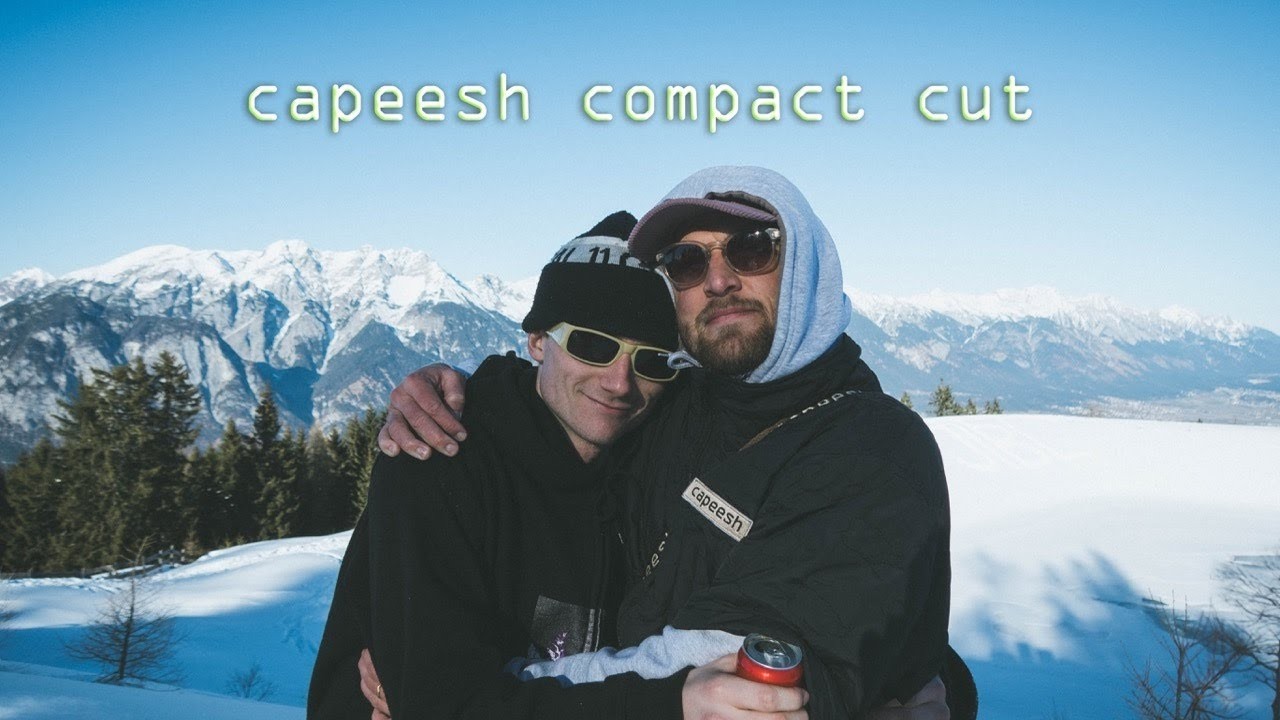
Filming and personality also play a role in his staying power. Woods has built a recognizable public identity—energetic, humorous, and genuinely enthusiastic about skiing—that translates well to edits, behind-the-scenes content, and event hosting. That kind of cultural presence is not a replacement for results, but it becomes an amplifier: it keeps athletes connected to the community and helps younger skiers understand that progression can be joyful, not just stressful.
Geography that built the toolkit
Sheffield is not a typical launching pad for an elite freeski career, which is exactly why Woods’ geography is part of the story. Learning to ski on artificial surfaces tends to produce strong edge control, comfort with speed on hardpack-like textures, and a habit of repetition—skills that translate directly to rail precision and jump consistency. It also builds a particular kind of motivation: when you do not have easy access to mountains, you learn to maximize every session and you become resourceful about training environments. Woods’ rise helped validate the British dry slope pipeline as a legitimate pathway into the highest levels of freeski.
From there, the competitive circuit shaped him through a set of iconic venues. Cardrona represents the Southern Hemisphere training-and-competition rhythm that many park skiers use to extend their season and sharpen tricks before the Northern winter peaks. Copper Mountain has long been a proving ground for contest slopestyle, with altitude, cold, and demanding courses that reward disciplined execution. Aspen Snowmass, with the pressure-cooker atmosphere of X Games week, tests whether a skier can deliver under the brightest lights. And Park City Mountain holds special weight in his narrative because it is the venue connected with his World Championship gold—one of the clearest “big stage” wins in British freeski history.
The European side of the circuit also matters for style and identity. Resorts like LAAX have historically hosted events and park scenes that reward creativity and rail sophistication. That blend of North American contest intensity and European style culture is part of why Woods’ skiing reads as both polished and expressive. It is not just that he learned tricks; it is that he learned how different scenes value different aspects of skiing, and he adapted without losing his own look.
Equipment and partners: practical takeaways
Woods’ public partnerships help illustrate what elite slopestyle demands from equipment: durability, predictability, and a setup that supports switch skiing as naturally as regular. He has long been associated with Monster Energy, and British program materials have also listed Salomon among his supporters at points in his career. More recently, LINE Skis has featured him as part of its roster, reflecting the way equipment relationships can evolve as an athlete’s career and goals shift. In outerwear, Planks has collaborated with Woods on signature product and content, aligning with his visible identity and the freeski emphasis on functional, park-ready layering.
For progressing skiers, the useful takeaway is less about copying a pro’s exact model and more about understanding the requirements. Slopestyle and big air reward a twin-tip platform that feels consistent in takeoff and landing, supports switch approaches, and holds up to rail impacts. Boots should feel supportive enough for big landings while still allowing freedom for grabs and tweaks. Bindings should be reliable and mounted in a way that supports balanced spinning in both directions. Woods’ skiing style—clean, centered, and built around flow—only works if the setup is predictable, because unpredictability makes a skier defensive and defense kills style.
Another practical lesson is that partners often support time on snow as much as they support visibility. Travel, training blocks, and the ability to chase the best parks are essential in freeski. Woods’ career—spanning hemispheres and major circuits—reflects that reality. For an aspiring athlete, the “equipment and partners” story is really a “time on snow” story: the best gear is the gear that enables more repetitions, more confidence, and fewer preventable setbacks.
Why fans and progressing skiers care
James Woods is a key figure because he embodies the freeski ideal of doing hard tricks with unmistakable style, and he did it while helping expand what British skiing could look like on the world stage. His record includes the kind of milestones that define an era: a slopestyle Crystal Globe under FIS, a full set of World Championship slopestyle medals capped by gold, and X Games podiums that prove he could deliver in both the run-based and jump-focused formats. Add in strong Olympic finishes—close enough to medals to make the “what if” conversation inevitable—and you get a career that has been consistently relevant whenever slopestyle enters a new phase of progression.
Fans care because his skiing is readable: even if you do not know every trick name, you can see the control, the confidence, and the intent. Progressing skiers care because his path is instructive. It shows that fundamentals and repetition matter, that style can be trained, and that you do not need a traditional mountain background to reach the highest levels if you are willing to work and travel. And the broader culture cares because Woods has not just participated in freeski’s evolution—he has helped steer it, pushing for formats and projects that keep creativity, community, and fun in the foreground. That combination of results and influence is what makes him more than a medal count; it makes him a reference point for what modern freeski can be.