Ian Russell
Profile and significance
Ian Russell is a street and park-focused freeski athlete who has become one of the newer faces of the OS Crew, the long-running North American urban film collective. Known to many by his handle “skian,” he blends technical rail skiing with a film-maker’s eye for interesting architecture, turning handrails, banks and ledges across the United States and Canada into full-feature playgrounds. Rather than chasing World Cup slopestyle circuits, Russell’s path runs through DIY movie projects, summer camp sessions and raw-cut edits that show every slam and every small adjustment that goes into a heavy clip. His name appears in multiple recent OS Crew milestones, including the full-length films “Electric,” “Magnetic,” “absORB” and “VORTEX,” placing him firmly inside one of the most productive street crews of the last decade.
Russell’s significance comes from how he represents the modern, community-based side of freeskiing. He rides for brands like Vishnu Freeski and K.H. Brand, skis in films backed by partners such as J Skis, Roxa, Northpull Winch, Wear Leathers and Spy Optic, and spends part of each summer riding and hanging with campers at Woodward Copper. Instead of one huge contest win, his impact is cumulative: steady appearances in annual films, standout moments in OS Crew’s “absORB Raw Cut Series” and a constant presence in edits and galleries that document the street and park scene from Minnesota to the Rockies and beyond.
Competitive arc and key venues
Russell’s “competitive arc” is less about bib numbers and more about his role in an evolving line of independent ski movies. He appears in OS Crew’s seventh full-length project “Electric,” filmed on trips through states such as Minnesota, Utah, Colorado, Oregon, Montana, Idaho and Washington, where the crew pushed their rail game on everything from classic Midwest handrails to winch-built gaps in industrial zones. As OS Crew followed up with “Magnetic,” an eighth film that doubled down on urban skiing, Russell’s name remained on the rider list, and behind-the-scenes cuts started highlighting him working through long, technical features.
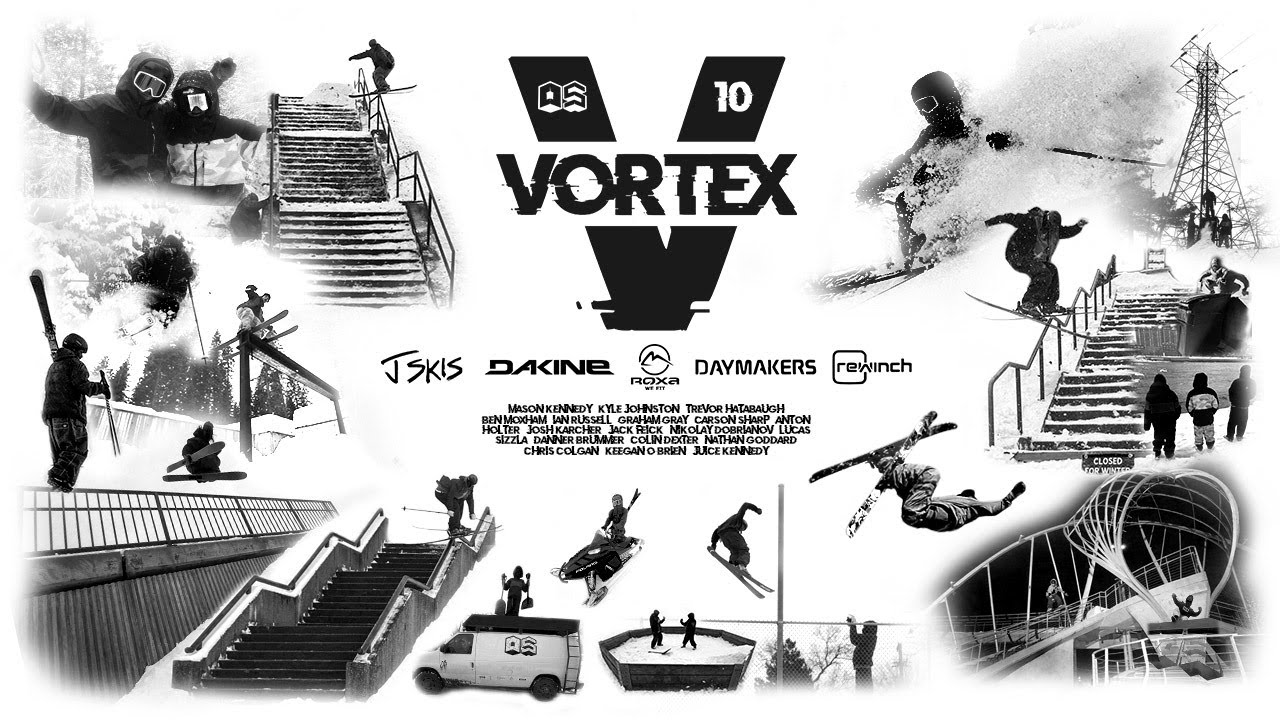
The momentum continued into “absORB,” the crew’s ninth film and an official selection at major festivals, with Russell again credited among the athletes. OS Crew released “absORB Raw Cut Series: Ep. 4 – Ian Russell” as a standalone edit, giving him a dedicated platform within the project and showing the kind of persistence it takes to make a full part. By the time “VORTEX,” OS Crew’s tenth movie, appeared on film guides and trailer roundups, his name was listed alongside long-time crew members and veteran guests, confirming that he had moved from newer addition to core rider. Away from the streets, recurring appearances in Woodward Copper summer-camp edits and photo galleries demonstrate that he is equally at home on big park jumps and rope-tow laps, using those venues to keep his tricks sharp between winter street trips.
How they ski: what to watch for
Ian Russell’s skiing is defined by how he approaches rails. In OS Crew’s “Magnetic” behind-the-scenes clip focusing on his long S-rail and in the “absORB” raw cut, you see him choose features that demand commitment from the first turn-in: multi-kink S-shapes, elevated close-outs and transfer options where a missed edge means pavement or stairs, not soft snow. He favors lines that use the whole spot rather than a single hit, often setting up with a gap onto the rail, adding a switch-up or surface swap in the middle and exiting with a spin that naturally feeds into the next feature down the stairs or across the street.
Technically, Russell usually skis with a relaxed, centered stance, keeping his shoulders quiet while his lower body does the balancing work. This lets him absorb small imperfections in the rail or the in-run without flailing, a crucial skill when winch speed or narrow run-ins leave little time for correction. On park jumps at Woodward Copper and in spring booters featured in OS Crew edits, his style carries over into the air: measured takeoffs, neat grabs and landings that prioritize flowing into the next hit rather than exaggerating the stomp. For viewers trying to learn from him, the key details are his approach speed, how early he locks in his edge angle before the rail and the way he looks long down the feature instead of staring at his tips.
Resilience, filming, and influence
Street skiing rewards stubborn riders, and Russell’s raw-cut episode is essentially a study in perseverance. The edit shows him exploring an unusual spot in Canada, hauling snow, setting up the in-run and then methodically working through tries that range from almost-there to full blown crashes. Instead of hiding the process, OS Crew leaves the misses in, letting viewers see how often he adjusts the lip, changes his stance or tweaks his spin to finally get the trick dialed. That willingness to show the grind behind a single shot makes his eventual successes feel earned and offers a realistic model for younger skiers who might otherwise think pros land everything first try.
Russell’s influence also comes through his role behind the camera. Crew credits and social posts regularly list him among the people filming, not just skiing, whether it is OS Crew’s own projects or clips for other crews and events. He has filmed and been filmed at Woodward Copper summer camps, Independence Day sessions and jib events, helping document a scene where the line between rider and filmer is intentionally blurry. That shared responsibility for the final product is central to the OS Crew ethos and gives Russell a broader impact: his decisions about angles, lenses and pacing help shape how street skiing looks to thousands of viewers, not just how he personally skis a rail.
Geography that built the toolkit
Russell’s skiing has been shaped by a wide slice of North American terrain. OS Crew’s trip reports and film descriptions place him on handrails and ledges in states like Minnesota, Colorado, Utah, Montana, Idaho, Oregon and Washington, as well as at spots north of the border in Canada. That mix of dense urban cores, older industrial districts and small-town architecture gives him constant variety: kinked handrails buried in snowbanks after a blizzard, long mellow down rails by river paths and tight gaps between buildings that demand precise speed control.
Summer shifts the focus to high-elevation parks. At Woodward Copper, Russell joins fellow OS riders as a regular presence during OS Weeks, where days are filled with jump laps, creative rail setups and rope-tow progressions, and evenings are spent watching ski movies with campers. That environment lets him experiment on forgiving slush snow, test new trick ideas in a controlled setting and pass along line-selection strategies to young riders. The result is a toolkit that works as well on a pristine park rail in Colorado as it does on a rusty staircase rail in a Midwestern back alley.
Equipment and partners: practical takeaways
Russell’s gear is tailored to the realities of street and park skiing rather than big-mountain freeride. His Instagram bio links him to Vishnu Freeski, a brand known for soft, playful twin-tips built specifically for jibbing and urban features, which matches the butters, presses and surface swaps he throws down in OS Crew films. Within those projects he also skis under the banners of partners like J Skis, Roxa boots, Wear Leathers gloves and Spy Optic goggles, as well as Northpull Winch, whose winches provide crucial speed for flat in-runs and big gaps in the city.
For progressing park and street skiers, the practical lessons from his setup are clear. Durable, jib-focused skis with full twin tips and robust edges make it easier to commit to surface swaps and disaster transfers without worrying about immediate edge failure. Boots should be stiff enough for control but comfortable enough for long nights shoveling and hiking stairs. Helmets and goggles that stay comfortable in cold, dark conditions help keep focus on the trick rather than on fog or pressure points. Russell’s gear choices show a coherent system: every piece is there to survive repeated impacts on metal and concrete while giving him the confidence to keep trying when a feature takes dozens of attempts.
Why fans and progressing skiers care
Fans connect with Ian Russell because his story feels close to the ground. He is not framed as a superstar with a national team behind him; he is a rider who spends winters shoveling city stairs with friends, summers high-fiving campers at Woodward and late nights editing raw-cut segments to share the real process behind OS Crew’s films. His clips in “Magnetic,” “absORB” and “VORTEX” show a skier who is both technically sharp and clearly having fun, whether he is locking into a long S-rail, spinning out of a wallride or cruising a slushy park jump line.
For skiers trying to progress, Russell offers a roadmap that feels achievable. Start with local rails and small parks, build a crew, film everything, and do not be afraid to reveal the crashes and almost-lands alongside the bangers. His work with OS Crew proves that consistent contributions to film projects, edits and camps can build a reputation even without major contest results. In a freeski landscape where street, park and creative filming matter as much as podiums, Ian Russell stands as a clear example of how dedication, community and attention to detail can turn a passion for urban skiing into a role that resonates across the scene.