Graham Gray
Profile and significance
Graham Gray is a California-born freeski all-rounder whose name shows up wherever Surface Skis, Joystick poles and OS Crew films intersect. Born in 1996 and raised in Shaver Lake, he grew up skiing California’s Sierra resorts before gravitating toward park laps at Palisades Tahoe and night sessions at Boreal. As his skiing matured he built a reputation as a rider who could show up on a West Coast street trip, a Mount Hood park session or a backcountry crew mission and contribute serious clips in each terrain. That versatility earned him a spot on the Surface Skis team and on the athlete roster for Joystick, placing him alongside some of the most respected jib and film skiers in the game.
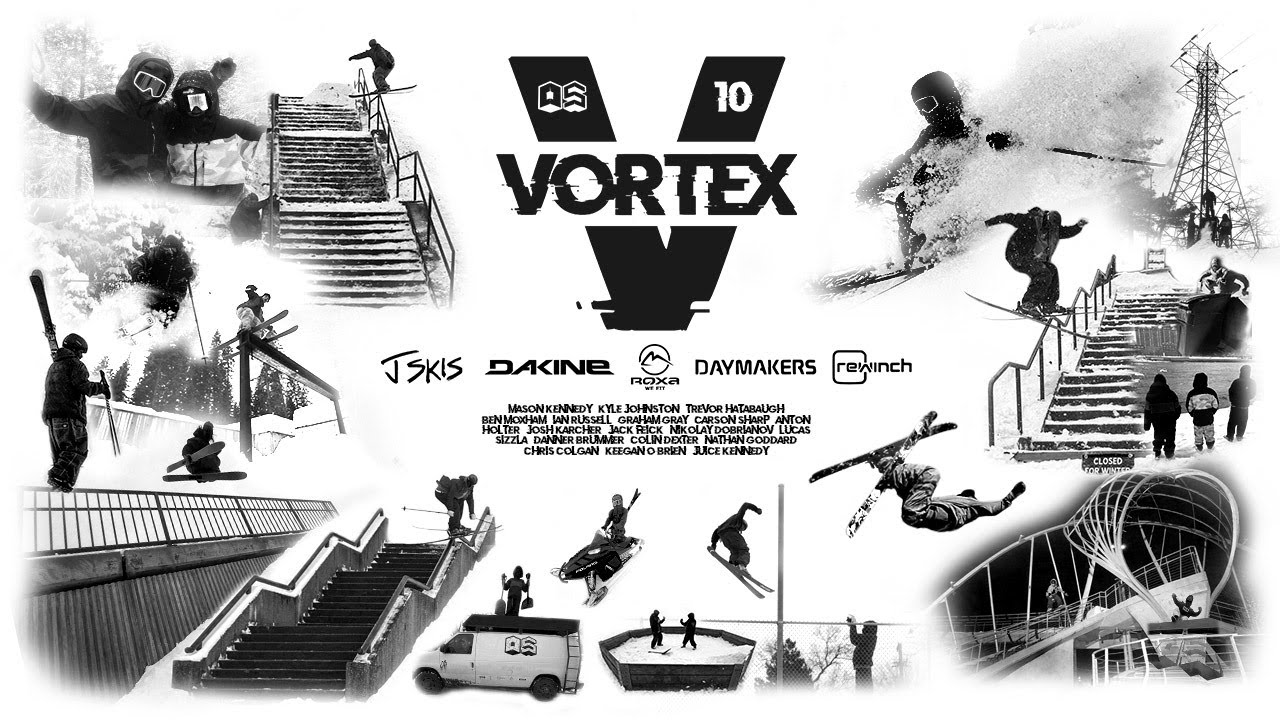
Gray’s significance inside freeski culture rests on his body of work more than on a single viral moment. He appears as the sole credited skier in the long-form “Graham Gray 2017” edit released by OS Crew, a six-minute mix of jumps, rails, powder and street filmed across the West Coast. In the years since, his name has been attached to Surface Skis team edits, Mount Hood backcountry pieces and the Boise-based OS Crew feature films “Electric,” “absORB” and “VORTEX,” the latter celebrating a decade of OS movie projects and earning spots in international film guides and festivals. Add in his listing on the Freeride World Tour Qualifier rider page and you get a picture of a skier embedded in multiple corners of the sport: street, backcountry, park and freeride competition.
Competitive arc and key venues
Unlike some of his OS Crew teammates, Gray’s story is not defined by slopestyle World Cups or X Games bids. His most formal competitive tie is as a registered Ski Men rider on the Freeride World Tour Qualifier circuit, representing the United States in the 2018 season. The FWT profile confirms his age and nationality but leaves his results understated, which fits a path where the qualifier tour is one chapter among many rather than the central storyline. It suggests that he was willing to test himself between start gates and judging panels, then bring those experiences back into a film-driven career.
The venues that matter most to his skiing are the unofficial ones: the handrails and ledges of West Coast cities, the terrain parks of California and Oregon, and the cat tracks and sidecountry shots that show up in his edits. The Newschoolers “Graham Gray 2017” video lists “West Coast” and tags like Park City, Backcountry, Powder, Park and Street, hinting at a season spent bouncing between urban missions, resort laps and deeper days. In OS Crew’s broader filmography he joins trips across the American West and Canada, contributing to the seventh OS movie “Electric” and returning as part of the rider roster for “absORB,” where his name appears alongside other core OS athletes. By the time “VORTEX,” the crew’s tenth project, reached festival listings and trailer roundups, Gray was firmly established as one of the skiers carrying the crew’s legacy into its second decade.
How they ski: what to watch for
The easiest way to understand how Graham Gray skis is to watch the 2017 edit that bears his name. Across nearly seven minutes he shifts between park jumps, handrails, sidecountry pillows and in-bounds pow lines, but a few constants stand out. On jumps he has a clean, directional style: strong, two-footed pop off the lip, deliberate grabs and landings that stay high on the transition so he keeps his speed. Spins are typically well measured rather than frantic, with three, five and seven rotations that emphasize shape and control over sheer spin count. Even on bigger step-downs and booters, he tends to bring his feet back underneath him early, which makes stomped landings look natural rather than forced.
On rails and street features, Gray takes a confident but not overly loose approach. He often uses gap-on entries and disaster transfers, but stays centered enough that his skis track cleanly along kinks and closeouts instead of skittering. Surface swaps and blind 270s out appear frequently, yet the overall impression remains composed. In backcountry and soft-snow shots, you see him adjust his stance slightly forward, letting the shovels plane while he uses small pole plants to rhythmically link turns. He favors lines that combine a trick and a feeling: a three or five off a natural feature followed by a big slash or drift, or a playful pillow hit wrapped into a longer descent instead of one isolated stunt. For progressing skiers, the takeaway is how much of his style comes from solid basics—centered stance, mellow upper body, precise edge use—rather than from gimmicks.
Resilience, filming, and influence
Gray’s influence flows most clearly through the projects he chooses and the crews he supports. OS Crew is known for showing the full process behind their urban segments, including the shoveling, bails and late-night resets that most highlight reels cut away from. Gray fits seamlessly into that ethic. Whether he is working a rail in a West Coast city or a backcountry booter accessed by sled or snowmobile, he treats the spot as a puzzle worth solving, not just a backdrop for a single trick. The 2017 edit, as well as his appearances in later OS projects, shows plenty of attempts where he comes up short, then returns with small adjustments in speed, trajectory or body position until everything clicks.
Outside of the OS ecosystem, his presence in Surface Skis’ team edits and web series spreads that same mindset. Freeski outlets covering Surface’s “Team Building” project and later Mount Hood backcountry pieces highlight Gray among the company’s riders, emphasizing a crew dynamic where everyone both rides and helps build. That willingness to carry shovels, help shape jumps and assist with filming as much as he skis is part of why brands like Surface and Joystick keep him on their rosters. For younger skiers watching these projects, Gray’s example reinforces the idea that influence in freeskiing is built as much through contribution to films and crews as through individual podiums.
Geography that built the toolkit
Geography has played a big role in shaping Graham Gray’s mix of street, park and freeride skills. Growing up in Shaver Lake placed him within reach of the Sierra Nevada, with plenty of opportunities to explore regional hills before homing in on more specialized terrain at Palisades Tahoe and Boreal. Palisades offers steep fall-line runs, natural features and a deep freestyle history, while Boreal’s compact layout and strong park program make it ideal for stacking laps and experimenting on rails. That combination of big-mountain heritage and high-frequency park laps is visible in his skiing: he looks comfortable both pointing it down steeper pitches and threading technical features in a small-resort park lane.
Summer and shoulder seasons have added more variety. Gray appears in Surface Skis content around Mount Hood, Oregon, joining teammates for both park laps and backcountry sessions in the glacier and volcanic terrain around the mountain. Edits and articles from European freeski media describe the Surface crew enjoying backcountry flights around Hood, underlining his transition from park and street into more complex snow and terrain. Winter film trips with OS Crew extend his map farther north and inland, bringing him to Canadian street spots and deeper continental snowpacks. Each region adds a layer: Sierra resort flow, Oregon’s blend of park and volcano, and the heavier snow and rail variety of Pacific Northwest and Canadian cities.
Equipment and partners: practical takeaways
As a member of the Surface Skis team, Gray rides skis designed explicitly for the style of skiing you see in his edits. Surface’s park and all-mountain lines are known for a balance of durability and playful flex, with full twin tips, stout edges and shapes that handle both rails and deeper snow. That makes sense for a skier whose clips span street, resort and backcountry. On the pole and accessories side, his spot on the Joystick team ties him to a brand deeply embedded in the jib scene, with products built to withstand repeated urban impacts and cold, long nights filming.
Practical takeaways for progressing skiers lie in how this equipment supports his approach. A moderately soft, jib-oriented twin-tip makes butters, presses and surface swaps easier while still holding up when he opens it up in powder or on bigger jumps. Reliable poles, gloves and goggles matter when you are hiking stairs, shoveling in storms or spending full days lapping to film one feature. Gray’s presence on the Freeride World Tour Qualifier rider list also hints at attention to safety gear and binding choices when stepping into more consequential lines, even if that equipment is less visible on camera. For a viewer trying to emulate his setup, the priority should be a versatile ski that feels comfortable in both the park and off-piste, boots that support solid landings without killing mobility and outerwear that can survive both urban steel and volcanic snow.
Why fans and progressing skiers care
Fans of independent ski films care about Graham Gray because he represents a particular type of modern freeski career: crew-driven, multi-terrain and built steadily over years of edits rather than overnight through one contest result. His name connects threads across the scene: OS Crew’s decade-long run of street and backcountry movies, Surface Skis’ revival as a rider-driven brand and Joystick’s deep roots in park and street culture. When his name appears in a trailer’s rider list or in the credits for an OS film, it signals that you can expect versatile, well-crafted skiing rather than a narrow focus on just one discipline.
For progressing skiers, Gray’s story offers a roadmap that feels accessible. He shows that you can grow up at regional resorts, focus on film projects with your crew, experiment across park, street and powder, and still carve out a place on established brand teams and international film lineups. Watching “Graham Gray 2017” alongside later appearances in “Electric,” “absORB” and “VORTEX” makes it clear how far a consistent work ethic and open-minded approach to terrain can take you. Instead of chasing a single pathway, he leans into all of them—jibbing, freeride qualifiers, backcountry missions—and in doing so becomes the kind of skier that film fans remember and aspiring riders can realistically use as inspiration.