Danner Brummer
Profile and significance
Danner Brummer is a Midwestern-born skier who has quietly stitched together a life that touches nearly every corner of resort skiing: high school alpine racing, professional instruction, snowmaking and snowcat operations, and now crew-based freeski films. Raised in southeastern Minnesota around Lewiston and Rollingstone, he started skiing young and pursued racing hard enough to lobby his school board so he could join the Rochester high school team as a lone representative from his own district. Years later his Instagram bio reads “Lewiston, MN ➡ Cascade, ID,” a neat summary of a move from small hills and icy courses to the deeper snow and bigger terrain surrounding Cascade and nearby Tamarack Resort.
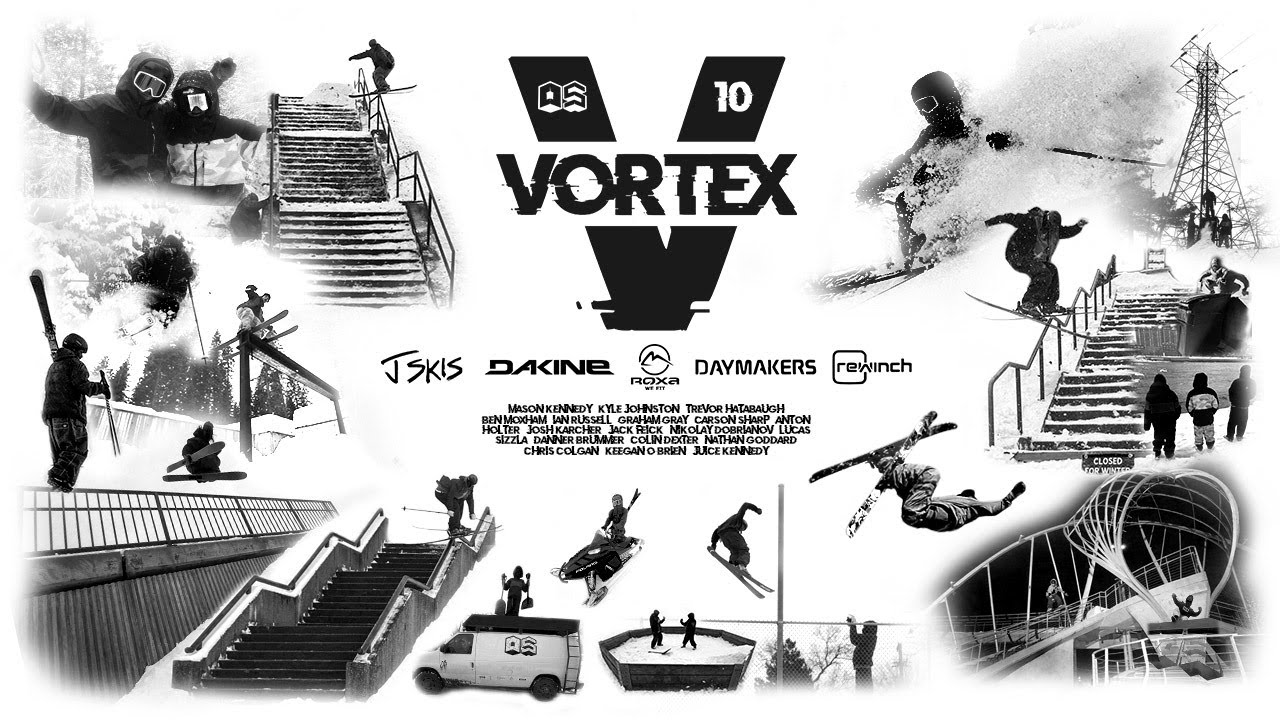
Brummer’s significance in today’s ski culture does not come from World Cup starts or major slopestyle podiums. Instead, he represents a very current archetype: the skier who keeps lifts turning and snowcats running all night, then appears on screen in independent films once the sun comes up. His work history lists time as a snowmaker and snowcat operator at Tamarack and as a ski instructor at Colorado’s Ski Cooper and its Chicago Ridge snowcat program, and his name appears among the riders in “VORTEX,” the tenth annual street, backcountry and park film from the Boise-rooted OS Crew. That combination of resort worker, instructor and film skier gives him a grounded, real-world profile that many viewers—especially those who have also punched liftie or snowmaking shifts—recognize instantly.
Competitive arc and key venues
Brummer’s competitive arc began on the icy slopes of Minnesota, where high school alpine racing and small-club leagues form the backbone of local ski culture. A Lewiston Journal feature profiled him as a 14-year-old who had been skiing since age five and went before the school board to secure permission for his Lewiston–Altura district to merge with the Rochester High School team, ensuring he could race at a higher level. Section meet results later place him representing Rochester’s John Marshall program at Buck Hill in Burnsville, one of the state’s classic race venues, competing against a deep field of high school athletes fighting for limited state-meet spots.
Those races never turned into a long FIS or college career, but they left important traces. Brummer emerged from Minnesota with a racer’s balance and comfort at speed, then gradually redirected his energy toward freeride, all-mountain and park skiing as his life migrated westward. The move to Colorado and a teaching role at Ski Cooper/Chicago Ridge brought him into contact with a different kind of venue: long, fall-line runs above Leadville and snowcat-access terrain where guiding and guest experience matter more than split-second timing. Later, relocating to Cascade, Idaho placed him at Tamarack Resort, a growing mountain with a strong park program and a reputation for storm skiing in the West Central Mountains. In parallel, his inclusion in OS Crew’s “VORTEX” puts him on the roster for a film that appears in trailer roundups from major outlets and tours through theaters across Idaho and the broader American West, shifting his main stage from timing sheets to the big screen.
How they ski: what to watch for
While Brummer does not yet have a long list of solo edits attached to his name, the outlines of his skiing are visible in the path he has taken. Years of high school racing on narrow, often icy Midwestern slopes fostered strong edging skills, a compact stance and confidence when the snow is less than perfect. That background tends to manifest in skiers who are comfortable driving the front of the ski, committing early to their edges and riding a clean, rounded line even when terrain or visibility are not ideal. Watching for his shots in crew films and resort clips, you can usually spot that race-bred stability: hips stacked over the feet, hands forward and turns that finish cleanly rather than skidding away.
His time teaching at Ski Cooper and working in operations at Tamarack adds a second layer to that foundation. Instructors and snowcat operators spend countless hours on their skis in every imaginable condition—early-season hardpack, storm days with flat light, spring slush and chopped-up trees. That kind of mileage tends to smooth out a skier’s movements. Instead of chasing only big tricks, they learn to read terrain, choose efficient lines and keep speed under control with small, well-timed adjustments. In the context of OS Crew’s “VORTEX,” which mixes street, powder and slushy park builds, Brummer fits the mold of a skier whose contribution is solid, reliable skiing that ties more explosive moments together: carving confidently into features, exiting landings already thinking about the next hit and bringing race discipline into a looser, film-oriented environment.
Resilience, filming, and influence
Resilience has been a theme in Brummer’s story from the start. As a teenager in Minnesota, he did not inherit a ready-made ski program at his school; he had to advocate for it, approaching the board to request a co-op arrangement with Rochester so he could join their team. That sort of initiative is not typical for a middle school student and hints at a willingness to shape his own opportunities. On the hill, that same mindset saw him competing in sectional races at places like Buck Hill where the margins between skiers are tiny and where small errors quickly punish over-ambitious runs.
In his adult life, resilience shows up in less glamorous but equally demanding roles. Snowmaking and snowcat work at Tamarack means long, cold nights, irregular sleep and a constant balancing act between safety, snow quality and guest expectations. Teaching at Ski Cooper required patience and communication skills, often in tough weather, plus enough personal skiing energy left over after work to stay motivated. His PSIA–Central membership listing signals that he has invested in formal professional development as an instructor, another space where resilience—returning to clinics, refining demos, rethinking explanations—matters as much as raw talent. Layer on the realities of filming with a crew like OS, where street features and backcountry zones rarely work first try, and you get a sense of an athlete who understands that most good skiing lives behind the scenes. His influence is still localized, but in resort towns and among crew circles he represents the many skiers who keep mountains running while quietly stacking their own clips.
Geography that built the toolkit
Brummer’s skiing is a map written from the Mississippi bluffs to the Idaho mountains. His early years in southeastern Minnesota meant learning on modest vertical, likely at regional hills and race venues such as Buck Hill near the Twin Cities, where short, intense runs and cold temperatures are the norm. Out there, progression comes from repetition rather than terrain variety; racers drill the same sections over and over until their feet know the course better than their eyes do. That environment builds quick reactions and comfort with firm snow, qualities that stick with a skier long after they leave the Midwest.
The next chapters unfold farther west. In Colorado, Ski Cooper and its Chicago Ridge snowcat terrain near Leadville add altitude, longer descents and softer snow to his experience, plus exposure to guiding and avalanche-aware decision-making. Move again to Cascade, Idaho and Tamarack Resort becomes both workplace and playground, with tree lines, bowls, a developing park program and snowcat routes he likely knows down to each roll and drainage. Trips with OS Crew for “VORTEX” broaden the map yet again, tapping into street spots, backcountry zones and spring builds around the Intermountain West. The result is a toolkit stamped by three very different ski worlds: icy Minnesota training, Rocky Mountain resort and cat-ski experience, and the improvisational, location-hopping rhythm of a film crew.
Equipment and partners: practical takeaways
Brummer has not been presented publicly as the face of a single ski or outerwear brand, but the circles he moves in say a lot about his gear environment. “VORTEX” is supported by companies including J Skis, Dakine, Roxa Boots, Daymaker Touring and winch maker ReWinch, brands that specialize in durable twintips, dependable boots, tough gloves and packs, and the hardware needed for backcountry access and urban spots. His memberships and roles with PSIA–Central and resorts like Ski Cooper and Tamarack Resort also imply equipment chosen for long days: skis that feel predictable when teaching or grooming as well as when filming, boots that stay comfortable during back-to-back shifts and outerwear that can handle sitting on a snowmobile one night and skiing powder the next morning.
For skiers looking for practical takeaways, the lesson is less about copying exact models and more about building a coherent, workhorse setup. A mid-fat all-mountain or freestyle ski with enough stiffness to hold on hardpack but enough rocker to float in fresh snow matches the mix of racing roots and freeride filming that defines Brummer’s path. Boots should prioritize fit and support; operations staff and instructors are on their feet all day, so anything that causes pain will quickly limit progression. Durable gloves, weatherproof outerwear and reliable safety gear round out the picture. His example underscores that for many serious skiers, the best equipment is not the flashiest, but the gear you trust enough to wear day in, day out in all conditions.
Why fans and progressing skiers care
Fans and progressing skiers care about Danner Brummer because he embodies a version of ski life that feels both aspirational and attainable. He is not a household name, but he has carved out a place in one of North America’s most respected independent film crews while also doing the kind of resort jobs that keep chairlifts spinning and trails open. For young racers in small Midwestern programs, his journey from Lewiston–Altura and Buck Hill to Colorado and Idaho demonstrates that you can start on tiny hills and still end up living and skiing in bigger mountains. For park rats and film fans, seeing his name in the “VORTEX” rider list shows that crew-based projects remain open to strong, motivated skiers who are willing to show up, shovel and put their skills on camera.
Perhaps most importantly, Brummer’s story highlights the many ways to build a career around skiing beyond chasing points or medals. He has been a high school racer, a professional instructor, a snowmaker, a snowcat operator and a film skier, all while steadily deepening his connection to the mountains. For viewers and aspiring riders, that breadth offers a realistic roadmap: develop solid technique, be willing to work behind the scenes and treat every role—from teaching beginners to riding in a feature film—as part of the same larger commitment to snow. In an era where authenticity and day-to-day dedication carry as much weight as headline results, Danner Brummer stands as a quietly compelling figure whose turns, tracks and night shifts all tell the same story.