Dan Shuffelton
Central Ohio, USA | Active public archive: 2020-present | Known for: Shuff’s Ski Show, American ski area reviews, Midwest and drive-to resort coverage | Focus: ski resort discovery, on-slope commentary, recreational skiing
Kissing Bridge Under Lake-Effect Snow
The snowbelt outside Buffalo can turn a modest hill into a real winter stop by morning. At Kissing Bridge, Dan Shuffelton’s camera follows the lifts, groomers and base-area rhythm instead of searching for a racecourse or a pro-level terrain park. The point is practical: show what the mountain feels like when a regular skier pulls into the lot, clicks in and starts exploring.
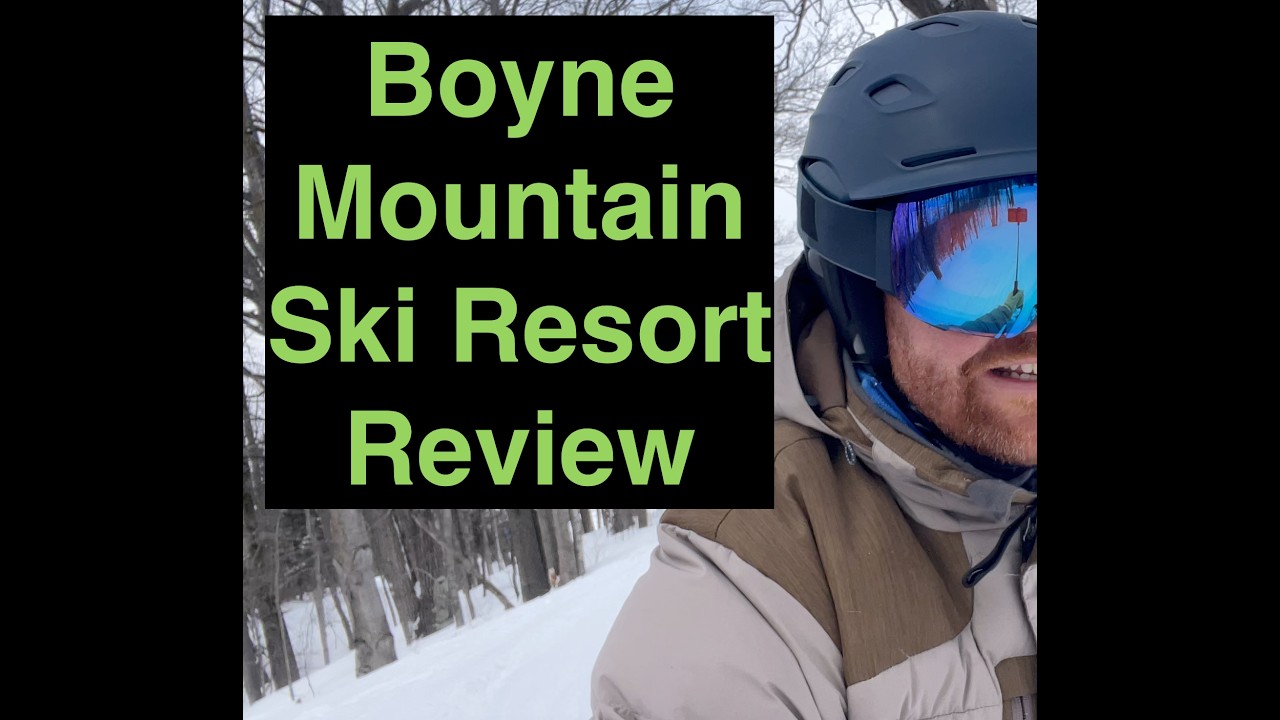
That is the core of Shuff’s Ski Show. Shuffelton is not presented as a freestyle athlete, racer or backcountry film star. His public ski identity is built around resort reviews: short, approachable videos that introduce American ski areas through firsthand skiing, simple narration and a clear eye for what makes each hill useful to families, weekend travelers and curious recreational skiers.
From Central Ohio To The Road-Trip Map
Shuffelton’s current profile is tied to Central Ohio, with public skipowd.tv pages describing him as originally from Fort Loramie and connected to commercial flooring and sales outside the ski world. That background matters because it frames the show correctly. He is not reviewing resorts from the position of a sponsored athlete with a full winter calendar. He is closer to the skier who has to plan, drive, spend carefully and make a trip count.
That everyday angle gives his videos their value. A destination does not need a 3,000-foot vertical drop to deserve an episode. Perfect North Slopes, Timberline Mountain, Homestead Ski Slopes, Kissing Bridge and Appalachian Ski Mountain all fit the same mission: find the culture, the lift layout, the snowmaking, the terrain mix and the reason a skier might add the hill to a personal map.
Homestead And The Southern Ski Lens
The Homestead Ski Slopes episode gives a strong example of his format. The indexed video description identifies the Virginia hill as part of The Omni Homestead in Hot Springs, with a 700-foot vertical drop, 42 acres, ten named runs and two lifts. Shuffelton frames the ski area as a throwback, tied to Virginia ski history and suited to beginners and intermediates.
That kind of review is useful because southern and Mid-Atlantic ski areas often need explanation. Snowmaking, operating windows, base-area convenience, lodging and beginner terrain matter as much as raw vertical. Shuffelton’s role is to translate those details into a short on-snow visit, showing the pitch, lift access and atmosphere without turning the video into a tourist brochure.
Bogus Basin And The Non-Profit Mountain
Bogus Basin shows how the show handles a larger western hill. The indexed description lists the Boise-area mountain with roughly 2,600 acres, 91 runs, seven chairlifts, night skiing and a location about 16 miles from Boise. The video text also highlights its non-profit status and its value for skiers near Idaho’s capital.
That episode expands the channel beyond small Midwestern and Appalachian hills. Shuffelton still uses the same reviewer logic: explain where the mountain sits, what kind of terrain it offers, how much skiing a visitor can access and what makes the place distinct. The voice stays recreational, even when the terrain becomes bigger and more complex.
How Shuffelton Skis For The Camera
Shuffelton’s skiing serves the review. He usually shows groomers, lift transitions, moderate steeps, side hits, flatter connectors and base-area approaches from the perspective of a confident resort skier. The turns are controlled enough for narration, which makes the footage more useful for planning than a highlight reel would be.
The details to watch are speed, line choice and pitch reading. He skis in a way that helps viewers understand whether a run feels friendly, fast, crowded, icy, narrow or worth repeating. That makes his on-slope style different from a freestyle segment. The trick is not a cork rotation or a rail transfer. The trick is making a first-time visitor feel oriented before arriving.
Stratton, Jackson Hole And The Bigger Names
Shuff’s Ski Show also reaches better-known resorts. The Stratton Mountain episode describes Southern Vermont terrain, 99 trails, 670 acres and a 2,003-foot vertical drop, while the recommended archive around the same page points to a Jackson Hole review. Those names matter because they let the show compare famous destinations with smaller hills using the same direct style.
That balance is part of the channel’s identity. Jackson Hole needs help with scale, intimidation and layout. Stratton needs context around lifts, Vermont charm and weekend traffic. A smaller hill needs a different question: does the snowmaking, night skiing or family atmosphere make the trip worthwhile? Shuffelton’s archive works because those questions stay consistent from one region to another.
Midwest And Southeast Resorts As Main Characters
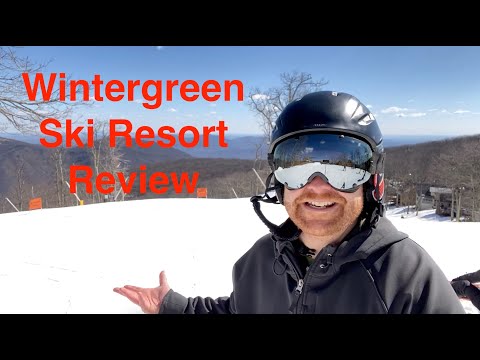
The strongest editorial angle is not celebrity travel. It is drive-to skiing. Perfect North Slopes, Ober Gatlinburg, Appalachian Ski Mountain, Homestead, Wintergreen, Sugar Mountain, Wolf Ridge and Timberline Mountain all belong to the kind of ski geography that mainstream media often skips. These hills depend on snowmaking, families, season-pass locals, school trips and skiers trying to build a winter around limited time.
Shuffelton gives those mountains screen time without apologizing for their size. A 700-foot hill can still have history. A compact park can still teach balance. A night-skiing area can still matter to a working adult or a family with a weekend window. That is where his channel fits best on skipowd.tv: ski resort discovery, not athlete ranking.
Camera Work Built For Useful Visits
The videos rely on simple tools: on-slope point-of-view footage, quick base-area clips, direct narration and concise editing. That structure keeps each review easy to scan. Viewers can see lift rides, trail flow, snow texture, crowd density and the general shape of the mountain without needing a long documentary.
The format also makes the channel repeatable. Every episode can answer the same visitor questions in a new place: how does the hill ski, who is it good for, how big does it feel, where does it sit, and what gives it character? That consistency is why Shuff’s Ski Show works as a digital guidebook rather than a one-off travel vlog.
No Athlete Résumé To Invent
There is not enough reliable public information to write Shuffelton as a freestyle skier, freeride athlete, racer or film rider. The correct profile is media-focused. He is a skier and creator whose value comes from resort coverage, travel curiosity and accessible commentary for recreational skiers.
That distinction should stay clear in the archive. His strongest tags are Dan Shuffelton, Shuff’s Ski Show, ski resort discovery, Perfect North Slopes, Homestead Ski Slopes, Bogus Basin, Stratton, Kissing Bridge, Tamarack, Jackson Hole, Timberline Mountain, Midwest skiing and Southeast skiing. Future updates should track new resort reviews, new season playlists and any channel description changes that clarify the show’s direction.