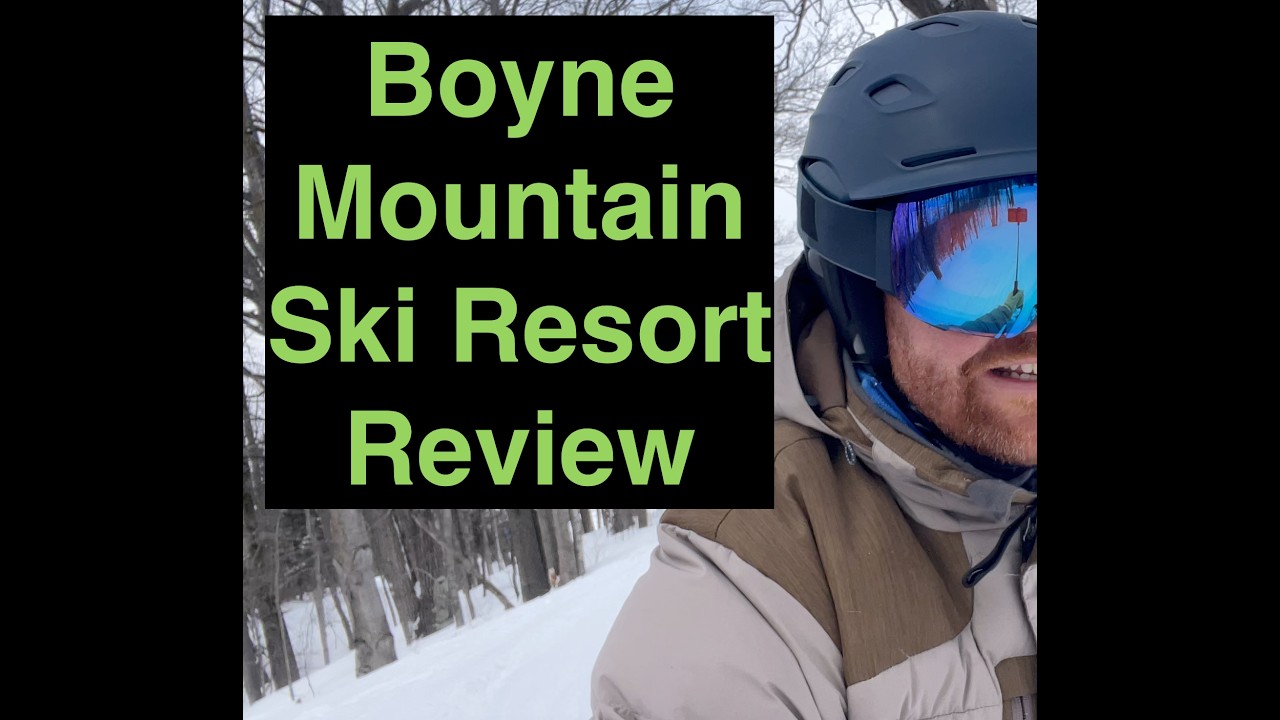
Boyne Mountain
Michigan
United States
Northern Michigan ski resort near Boyne Falls | Known for: five terrain parks, night laps, and dependable snowmaking | Season: December through March | Best for: park progression and high-volume local sessions
Boyne Falls and the 1949 Lift That Changed Midwest Skiing
At Boyne Falls in northern Michigan, Boyne Mountain combines 415 skiable acres, 500 feet of vertical, 10 chairlifts, and more than 60 named trails. The hill opened for the 1948-49 winter with two runs and the first chairlift in the Midwest, relocated from Sun Valley; its formal opening ceremonies followed on January 10, 1949. That history sits behind a thoroughly practical modern role. Boyne is not an alpine-scale destination. It is a northern Lower Peninsula ski hill where the available vertical is used for volume, short reset times, and repeatable technique work. In Michigan's wider network of compact snowmaking areas, it belongs beside places such as Caberfae Peaks as a regional base for regular skiing rather than occasional big trips.
Disciples Ridge Victor and 500 Feet of Repeatable Vertical
The mountain is divided into useful zones instead of one uniform face. Disciples Ridge is served by Disciples 8, a high-speed eight-person chair with a listed 404 feet of vertical, while Mountain Express, Victor, Meadows, Ramshead, Alpine, and Hemlock distribute traffic across the older core. Official figures also list 140 inches of average annual snowfall and snowmaking coverage across 90 percent of the ski terrain. Natural snow can soften the glades and refresh the hill during northern Michigan storms, while snowmaking protects groomed approaches, park lips, and high-traffic landings. The strongest Boyne Mountain freeride season is therefore based on controlled repetitions, small natural features, and fast park access rather than a long high-alpine descent.
Ramshead After Dark and the Five-Park Progression Ladder
Five terrain parks give Boyne Mountain a more developed freestyle role than its vertical alone suggests. Meadows has hosted larger terrain-park builds, while Ramshead Terrain Park is central to the night-ski operation, with jumps, rails, boxes, and other features intended for gradual progression. This is a place for feature order and repeatable speed, not for an oversized one-line park aimed only at experts. A younger skier can start on smaller features, an experienced local can refine a rail trick, and both can remain inside a system designed around manageable laps. Night access is especially important: a compact hill becomes a real training venue when school and work days can still end with several focused hours on snow.
From Stein Eriksen's Victor Flip to Team Boyne Freestyle
Boyne Mountain's history predates modern freeskiing, but it contains an early aerial reference. Resort records place a Stein Eriksen front flip at the bottom of Victor in the 1950s, a detail that fits the hill's later transition toward playful, skill-based skiing. Today, the direct development route is the Team Boyne Freestyle Program, an eight-week slopestyle and park skiing program for ages seven through fourteen. The resort also hosted professional races in the 1960s and 1970s associated with Bob Beattie's Pro Tour, with visiting names including Billy Kidd, Spider Sabich, and Jean-Claude Killy. Those events are historical context rather than a modern freeski contest claim, but they show how long Boyne has functioned as a serious regional ski institution.
Cherry Capital Airport Mountain Express and Fast Session Planning
Boyne Mountain is close enough to northern Michigan travel infrastructure to work for a weekend, but its best value comes from treating the hill like a session rather than a sightseeing tour. Cherry Capital Airport in Traverse City is the resort's closest commercial airport, approximately 35 miles away and about a 45-minute drive; Detroit Metro is listed at roughly four hours by road. Boyne Mountain also operates a 5,200-foot paved runway for private aircraft. On snow, start with groomed laps served by Mountain Express, Meadows, or Disciples 8, assess speed and visibility, then move into the park once approaches and landings are clear. The compact vertical rewards a two- or three-line plan rather than wandering across the full trail map.
Snowmaking Weather Swings and Park-Smart Discipline
Michigan weather demands a practical approach. Boyne's 90 percent snowmaking coverage provides a reliable operating base, but wind, traffic, and thaw-freeze periods can still turn soft natural snow into firm groomed surfaces. Check the daily report before loading a lift, especially after overnight weather, because a changed park setup or closed chair has more impact here than it would on a large western mountain. Inspect each feature before riding it, choose the smallest appropriate option first, keep landings clear, and leave the runout immediately after an attempt. Tree skiing should stay within open terrain and personal ability when visibility drops. The hill works best when every skier treats the feature line as shared space.
A Midwest Training Hill Built Around Laps Rather Than Scale
Boyne Mountain suits skiers who want practice volume. Its 500-foot vertical will not replace a western powder descent, but five terrain parks, 10 lifts, 90 percent snowmaking coverage, and Ramshead night skiing can turn a normal evening into a productive block of work. January and February are typically the strongest period for colder surfaces, more complete park builds, and natural refreshes in northern Michigan. For rail confidence, jump-speed control, or a return to freestyle after time away, Boyne offers a clear progression environment. The lasting fact is its lift evolution: the resort began in 1949 with one relocated chair and two runs, then grew into a 10-lift hill with an eight-passenger high-speed chair built for fast modern laps.