Anton Holter
Profile and significance
Anton Holter is an American freeski slopestyle and big air specialist emerging from the powerful development pipeline of the Sun Valley Ski Education Foundation. Born in 2005, he belongs to the new generation of park and pipe athletes who treat national championships, Nor-Am Cups and Australian–New Zealand Cups as normal stops on the calendar. His FIS record already spans multiple seasons of Freeski Slopestyle, Big Air and even early Halfpipe starts, with top-ten finishes at U.S. national championships, Nor-Am Premium events and international ANC contests at Cardrona Alpine Resort. For fans following the next wave of riders who may soon break onto World Cup start lists, Holter is one of the most promising names coming out of Idaho.
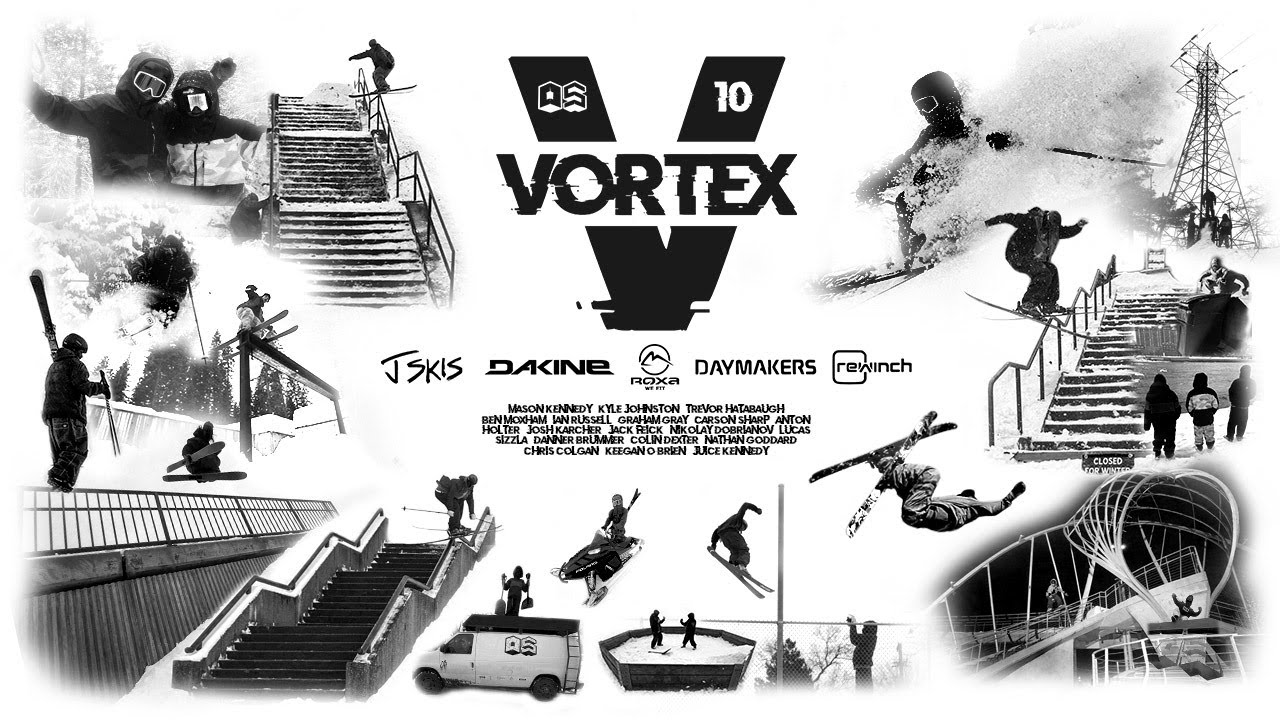
Beyond his ranking sheets, Anton is also beginning to appear in the film-oriented side of freeskiing. He is part of the cast for OS Crew’s tenth annual ski movie “Vortex,” a project that tours festivals and screenings and places him alongside established street and backcountry riders. Add in his presence at Woodward Copper camps, local show events like Boise’s New Year’s Idaho Potato Drop jump and his own highlight edits on social media, and you get a picture of a skier who is not just chasing scores but actively carving out a broader role in modern freeski culture.
Competitive arc and key venues
Holter’s competitive arc is textbook “from Futures to Nor-Am.” As a young athlete in the SVSEF Freeski (Park & Pipe) program, he first drew wider attention at the 2021 Futures Tour slopestyle event in Winter Park, Colorado. There he delivered a breakthrough qualifying run that combined clean rail work—front 270 out and a switch-on, unnatural 450 out—with a jump line featuring right-side cork 540 mute, switch misty 900 japan and a left cork 900 blunt, earning a strong score and a spot in the finals of a stacked FIS-level field. That performance confirmed that his trick vocabulary and competition composure were already ahead of his age.
From there, his résumé has filled out quickly. At the 2023 USASA Freeski Nationals at Copper Mountain, his extremely technical switch unnatural 1080 mute in Men’s Open Class Slopestyle secured a place in finals in his first attempt at that level. FIS records show steady progression: a podium-level second place in a 2023 Mammoth FIS slopestyle, top-eleven finishes at Northstar and national championship events, and, more recently, strong Nor-Am results including a top-ten in Nor-Am Premium slopestyle at Aspen Highlands and top-twenty finishes at stops in Copper Mountain, Stoneham and Calgary. Internationally, he has pushed his boundaries at Cardrona Alpine Resort, earning a top-six in ANC slopestyle and solid results in big air and national championship divisions in New Zealand. At home, wins such as his 90-plus-point victory in the Open Class at Dollar Mountain slopestyle and pre-qualified status for the 2025–26 Rev Tour underline his position as a serious contender on the North American circuit.
How they ski: what to watch for
Holter’s skiing is defined by complete slopestyle runs rather than isolated hammers. The Futures Tour description of his Winter Park run tells you a lot: he is comfortable linking technical rail tricks with a jump line stacked with inversions, grabs and both natural and unnatural rotations. Rail features are often approached with confidence-heavy moves—lipslide to front 270, switch-on to 450 out—while his jump game leans on corked and off-axis spins in the 540 to 1080 range, including switch unnatural directions that many riders only add later in their careers. That ability to spin and grab both ways is a key marker of high-level competition freeskiing and explains why coaches repeatedly highlight his “impeccable style and steely determination.”
When you watch his highlight reels or OS Crew’s Woodward Copper edits, look at how early he commits to his edge set before takeoff and how calm his upper body remains in the air. Even on complex tricks like the switch unnatural 1080 mute he used at national championships, his head and shoulders move on clean axes while his lower body handles the rotation and grab adjustments. Landings tend to be placed high on the knuckle or sweet spot of the transition so that he can keep speed into the next feature, a habit that matters as much for big air as for slopestyle. For progressing skiers, the lesson is clear: his hardest tricks are built on excellent timing and alignment, not just bravery.
Resilience, filming, and influence
Resilience has been a theme of Anton Holter’s journey from early SVSEF days to FIS and Nor-Am events. In 2020, his home program named him Athlete of the Week, pointing to his “serious mental resilience” and positive attitude as the key reasons he was progressing so quickly while managing risk. That mindset shows up across his competitive history: he has had days where big Nor-Am fields or tricky conditions pushed him down the result sheet, followed by performances where he rebounded with finals runs and top-ten finishes at national championships or ANC stops. It is precisely that bounce-back ability that coaches emphasize when they talk about athletes who are built for the long term rather than just a hot season or two.
Off the result pages, Holter is slowly building a presence in the film and community side of the sport. His inclusion in OS Crew’s “Vortex” connects him to one of the most visible independent film crews in North American freeskiing, a group that mixes street, backcountry and park segments and tours its movies through festivals and theater premieres. He also appears in OS Crew content from Woodward Copper summer camps and festive events like Boise’s Idaho Potato Drop urban jump show, where he shares airtime and autograph sessions with riders he previously watched online. These appearances, combined with personal highlight edits and clips from training days in Sun Valley and Colorado, give younger athletes a concrete example of how strong competition skiing can dovetail with crew-based filming and local community events.
Geography that built the toolkit
Holter’s skiing is shaped first and foremost by the terrain and culture of Idaho’s Wood River Valley. Training with the Sun Valley Ski Education Foundation means splitting time between Dollar Mountain’s slopestyle-friendly layout and the steeper pitches of Bald Mountain above the town of Sun Valley. Dollar’s progressive rail gardens and jump lines are ideal for learning the detailed line construction you see in his Futures and Nor-Am runs, while “Baldy” builds the edge control and speed management needed when courses get bigger and faster. Local open-class events on Dollar’s park features, where he has posted wins with scores over 90 points, offer a relatively low-pressure environment to test new tricks before they appear on national stages.
Season by season, his map has expanded outward. Trips to Copper Mountain and Aspen Highlands in Colorado have exposed him to national-championship and Nor-Am Premium venues, where weather, altitude and long days of training add new layers of difficulty. Stops at Stoneham in Québec and WinSport Calgary bring icy, technical Eastern and Canadian conditions into the mix. Overseas, contests and ANC events at Cardrona Alpine Resort in New Zealand introduce southern-hemisphere winters and different snowpacks to read. Add in summers and early-season laps at Woodward Copper, where he skis alongside OS Crew teammates and campers, and it is clear why his skiing reads as comfortable on everything from local parks to international slopestyle builds.
Equipment and partners: practical takeaways
On social media, Holter highlights support from Sun Valley–born pole brand Reflex, established ski manufacturer K2 Skis and emerging outerwear label NAM3. It is a setup that makes sense for an athlete whose time is split between icy Nor-Am mornings, sunny ANC training days and long park sessions with friends. Reflex poles are built in the Austrian Alps for durability and feel, which matters when every mis-planted swing can throw a slopestyle run off rhythm. K2’s freestyle-oriented skis give him a platform that can take repeated rail and jump impacts while still feeling lively enough for switch approaches and corked spins. NAM3’s baggy, technically minded outerwear fits both the functional needs of cold training days and the aesthetic expectations of a generation that grew up on urban and park edits.
Holter also benefits from the broader partner ecosystem surrounding his crews and events. OS Crew’s Woodward Copper weeks, where he rides and films, are supported by companies like Dakine, J Skis, Bern Helmets, Roxa Boots and Daymaker touring adapters. Even when those brands are not his personal sponsors, they shape the gear culture around him: lightweight yet strong boots for harsh landings, helmets and goggles that work in variable light and pole and touring systems that allow long days on snow without constant equipment worries. For aspiring slopestyle and big air riders, the practical takeaway is not to copy every logo, but to aim for a coherent kit—durable twintip skis, boots stiff enough to support spins and landings, reliable safety gear and outerwear that keeps you warm and dry through full training blocks.
Why fans and progressing skiers care
Fans care about Anton Holter because he embodies the current bridge between regional grassroots programs and the wider international scene. He is still very much in the “emerging” phase—fighting for Nor-Am podiums, building a presence in ANC events and sharing segments in crew films—yet his trick selection and composure already look like those of athletes a few years further along. Supportive coaches in Sun Valley describe him as resilient and stylish, and national-level coverage has singled out his switch unnatural 1080 and well-rounded run construction as indicators of future potential. For viewers who enjoy seeing careers in the making, his name on a start list or a film rider card signals that something worth watching is about to happen.
For progressing skiers, Holter is a useful case study in how to build a modern freeski path. He learned his craft in a strong local program, used Futures Tour events to prove he could handle FIS-level pressure, then stepped into Nor-Am and international ANC contests while simultaneously exploring the film and community side of the sport through OS Crew and Woodward Copper camps. Watching his runs and edits with an analytical eye—spotting how he links rails and jumps, how he manages speed into big tricks, and how he returns after less successful days—can provide a blueprint for anyone aiming to progress from regional contests to bigger stages without losing the joy and creativity that make freeskiing what it is.