Addison Rafford
Profile and significance
Addison “Addie” Rafford is an American freeride skier who has quickly become one of the most exciting new names on the Freeride World Tour. Raised around Sun Valley, Idaho after early years on the icy slopes of the U.S. East Coast, she brings a mix of hard-snow edge control and big Western terrain confidence to every venue she skis. Her rookie season on the Freeride World Tour in 2023 turned heads immediately: she won the opening stop at Baqueira Beret in Spain and added more podiums through the season, finishing fourth overall in women’s ski. That combination of fast progression, strong results and distinctive style has made her a clear reference in the new generation of freeride athletes.
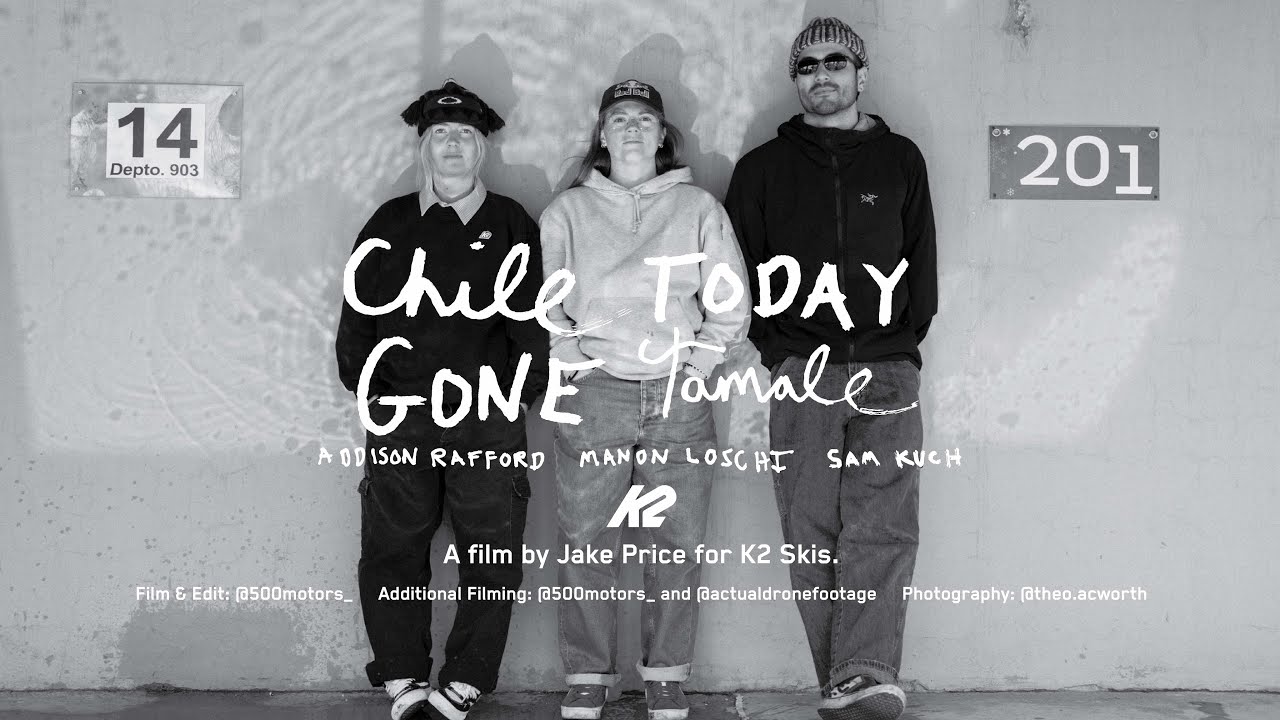
Rafford’s impact goes beyond contest standings. Along with friends Josie Petersen and Ella Meade, she co-founded Milk Box Girls, a creative collective focused on women’s freeskiing, film and the lifestyle that surrounds it. Their experimental short film “Con Artist” blends high-consequence skiing with a surreal, heist-style narrative and has been showcased on the Freeride World Tour’s own channels and at ski film festivals. As of 2024 she rides for brands such as K2 Skis and Dakine, moving from promising qualifier rider to fully fledged pro whose name appears in both competition recaps and film guides.
Competitive arc and key venues
Before she ever dropped into a World Tour face, Rafford built her skillset through years of structured freeride competition. After trying moguls because it offered a flexible program, she gravitated toward freeride events on the FWQ (now Challenger) circuit, eventually topping the North American women’s ski rankings and earning promotion to the Freeride World Tour. That qualifying run already showed how comfortable she was mixing exposure, speed and air-time, but the real test came on her rookie season in 2023, when she stepped into the start gate with the best women in the world.
Baqueira Beret was the breakthrough. On the steep Baciver venue above the Spanish Pyrenees resort of Baqueira Beret, Rafford opened her FWT career with a winning run: several airs straight out of the start, a committed drop into a tight couloir and a final cleanly grabbed air low in the face. Later that winter she backed up the result with a third-place finish at Kicking Horse in Golden, British Columbia, on the exposed flanks above Kicking Horse Mountain Resort. Those podiums kept her in the yellow leader’s bib at stages of the season and carried her to fourth overall in the final 2023 standings. In 2024 she returned to the Tour, adding more experience on classic venues such as Fieberbrunn in Austria and Verbier in Switzerland, proving that her rookie results were no fluke.
How they ski: what to watch for
Rafford’s skiing is defined by a strong fall-line instinct and a willingness to link features instead of treating them as isolated hits. On her winning Baqueira line, for example, she never looks like she is hunting for a safe place to slow down; she drops multiple airs up high, uses the entry to a narrow couloir as part of the flow instead of a hesitation point, and then builds just enough speed for a final air with a clean grab. The pacing is almost constant from top to bottom, which is a big reason judges and viewers responded so strongly to the run.
Technically, she combines compact body position with deliberate use of terrain. Her upper body stays quiet while her legs and feet absorb irregularities in the snow, a habit that comes from years of skiing both cold, chalky Idaho conditions and more variable FWQ and FWT venues. She often enters drops from slightly offset angles, using small slashes or pre-hop adjustments to line up the takeoff, then keeps her skis level in the air before touching down and immediately rolling into the next turn. For fans watching her replays, the key details are her line choices—how she stacks several medium-sized features into a single, coherent sequence—and how rarely she gets knocked off rhythm once she commits.
Resilience, filming, and influence
Freeride careers are built on resilience, and Rafford’s path is no exception. Before earning her World Tour spot, she spent seasons on the qualifier circuit, juggling travel, part-time work and the pressure of needing big results to move up. Interviews and profiles highlight how often she had to make do with limited resources, focusing on driving to events, skiing hard and making the most of whatever snow was on offer. That persistence culminated in topping the U.S. FWQ ranking and stepping into the World Tour start gate with the confidence of someone who has already fought through a crowded field to be there.
Her influence is amplified by the creative projects she has chosen. Milk Box Girls and the film “Con Artist” show a side of freeride that is not just about scores and standings. The short blends dark, stylized imagery with high-risk skiing, presenting Rafford and her co-stars as characters in a psychological heist rather than just athletes collecting shots. She also leans into a deliberately DIY aesthetic between larger projects, editing “trap edits” from phone clips and dad-cam footage that mix crashes, partying and real skiing into something that feels closer to how many skiers actually experience the sport. For younger riders, especially women coming up through freeride programs, that mix of high-end competition and accessible, messy behind-the-scenes content makes her story feel more relatable and aspirational at the same time.
Geography that built the toolkit
Rafford’s skiing is deeply shaped by the places she has called home. She talks about starting out in tiny ski boots on the icy hills of New England, where edge control and comfort with firm conditions are essential. Later, her family’s life gravitated toward Idaho, and the terrain around Ketchum and Sun Valley became her daily playground. With Sun Valley’s Bald Mountain effectively in her backyard and the rugged Sawtooth range on the horizon, skiing turned from hobby into lifestyle: long days on groomers, tree lines off the lifts and early forays into touring and backcountry terrain.
That base prepared her well for the travel-heavy life of a modern freerider. On the Freeride World Tour she has already learned the feel of the Spanish Pyrenees above Baqueira Beret, the maritime-meets-continental snowpack at Kicking Horse in British Columbia, and the complex, often wind-affected faces at European stops like Fieberbrunn and Verbier. Between competitions she chases storms across North America, filming and shooting photos in interior British Columbia and other Western ranges, constantly adding new snow types and terrain profiles to her internal map. The result is a skier who looks surprisingly at home whether the venue is a chalky couloir in Spain, cold smoke powder in Canada or firm, technical faces in the Alps.
Equipment and partners: practical takeaways
On the equipment side, Rafford’s choices reflect the demands of high-speed freeride rather than park or race skiing. After early years riding for French brand blackcrows, she moved to the freeride and freestyle lineup at K2 Skis, where she has been shown on versatile freeride models like the Reckoner series. These skis are built to handle fast, committed lines and repeated cliffs, with enough width to float in soft snow but enough stiffness and edge hold to feel trustworthy on firm sections. Her partnership with Dakine covers packs, gloves and accessories that have to survive rocky bootpacks, repeated travel and long days standing in start gates or hiking back to features.
More than the specific logos, her kit offers a template for aspiring freeriders. She relies on a single primary setup that can handle most of the conditions she encounters on Tour: skis with a stable platform underfoot, a binding and boot combination that keeps her attached through landings but still releases when necessary, and outerwear and packs that prioritize durability and function over novelty. If you are watching her lines and wondering how to gear up, think in terms of a dependable, freeride-focused system rather than chasing the lightest or most specialized gear. It is that “everyday capable” setup that lets Rafford concentrate on reading terrain and committing to her line instead of worrying about whether her equipment will keep up.
Why fans and progressing skiers care
Fans care about Addison Rafford because she represents a fresh, modern version of freeride: young, creative and willing to send, but also thoughtful about storytelling and community. Her rookie-season win at Baqueira Beret and overall top-four finish on the Freeride World Tour prove she can perform under pressure in world-championship-level fields. At the same time, her Milk Box Girls projects and low-fi edits show that she sees skiing as something much bigger than rankings—a way to explore identity, art and friendship in parallel with high-consequence lines.
For progressing skiers, especially those coming from smaller hills or freeride programs, Rafford offers a realistic and inspiring blueprint. She did not arrive on the World Tour out of nowhere; she built her skills through moguls, qualifiers, long drives, and seasons spent piecing together enough results to move up. She now balances that competitive focus with film work and creative projects that keep skiing fun and open-ended. Watching her FWT runs, her appearances in “Con Artist,” and the way she talks about travel, coffee and editing chaotic phone clips into something she can laugh at later, you get a sense of an athlete building a sustainable, personality-driven career. That combination—serious lines, serious creativity, and an obvious love for the process—is exactly why her name is showing up more and more in freeride conversations worldwide.