Profile and significance
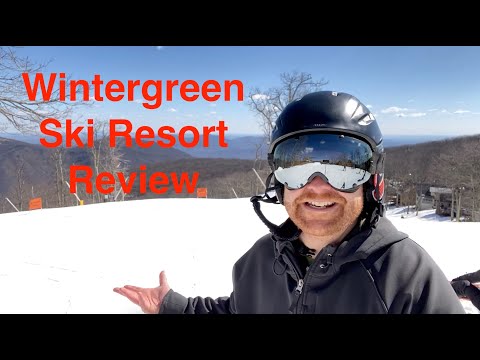
Dan Shuffelton is an American skier, resort reviewer and YouTube creator best known for his long-running series “Shuff’s Ski Show.” Based in Central Ohio and originally from Fort Loramie, he balances a career in commercial flooring and sales with a clear winter obsession: road-tripping to ski areas across the United States and breaking them down for everyday skiers. His channel introduces viewers to everything from small Midwestern hills to big-name Western destinations, packaging each visit into a short, approachable ski area review aimed at real-world families and weekend warriors rather than elite racers.
On his YouTube channel and associated playlists, Shuffelton has built out full “seasons” of Shuff’s Ski Show, each one covering a different collection of mountains. Episodes feature places like Perfect North Slopes in Indiana, Sugar Mountain and Appalachian Ski Mountain in North Carolina, Bogus Basin and Brundage Mountain in Idaho, Timberline Mountain in West Virginia, Kissing Bridge in New York, and bigger names such as Jackson Hole in Wyoming. Across these videos he positions himself not as a pro athlete but as an enthusiastic, well-informed skier who loves exploring new terrain and explaining what makes each resort worth a visit.
Competitive arc and key venues
Rather than a traditional race or freestyle career, Shuffelton’s “competitive arc” is essentially the evolution of Shuff’s Ski Show itself. Early uploads introduce the project and set a tone of lighthearted but honest resort reviews: he turns up with a camera, spends the day skiing as much of the hill as possible, and then records his verdict on the lifts, snow, terrain mix and overall value. Over time he has expanded the scope from regional hills to multi-state tours, treating each winter like a personal challenge to sample more mountains and present them clearly to his audience.
Many of his most-watched episodes revolve around smaller or regional resorts that do not always receive mainstream media attention. Perfect North Slopes, a busy Midwestern area in Indiana, appears in one such review as he explains why a relatively small vertical drop can still deliver fast laps, solid snowmaking and night skiing for skiers based near Cincinnati and Indianapolis. At Appalachian Ski Mountain, a compact North Carolina hill with terrain parks and extensive night operations, he walks viewers through the intermediate groomers and park-oriented offerings that make it attractive to southern skiers. He gives the same treatment to places like Sugar Mountain, Bogus Basin, Brundage Mountain, Tamarack Resort, Timberline Mountain, Kissing Bridge and Wolf Ridge (now Hatley Pointe), building a kind of informal video guidebook to mid-sized North American ski areas.
Shuffelton also uses the show to tackle bucket-list destinations. In his Jackson Hole ski area review, for example, he frames the video as something to “watch before you ski Jackson Hole,” skiing a wide sampling of lifts and runs to help viewers understand how the mountain is laid out and where different ability levels can find their sweet spots. By mixing world-famous resorts with lesser-known family hills, he gives viewers a realistic sense of how each type of mountain skis and what kind of trip it supports.
How they ski: what to watch for
On snow, Dan Shuffelton skis like the expert resort skier he is making videos for: confident, fast enough to keep things interesting, but focused on lines that a fit, intermediate-to-advanced viewer could reasonably aspire to. In his reviews he typically skis the main groomed runs off each lift, linking medium-radius turns that show off pitch and snow conditions without turning the footage into pure stunt skiing. When terrain allows, he mixes in side hits, small natural features and steeper shots, but the emphasis is always on reading the mountain the way a regular visitor would.
What stands out most is how he uses his skiing to support storytelling. He often narrates while skiing, pointing out trail junctions, lift connections and changes in pitch in real time. That means his turns have to stay controlled and predictable; if he were constantly on the edge of crashing, the narration would not work. For viewers, this has two benefits. First, you get a practical sense of how hard a given run actually is, because his speed and body language reflect genuine evaluation rather than performance. Second, you can study his line choice: he tends to ski clean fall-line routes that show how an efficient local might navigate the hill, which is a useful reference if you are planning your own first visit.
Resilience, filming, and influence
Shuffelton’s influence comes from persistence as much as anything. Away from the slopes he is a sales professional and educator in the commercial flooring world, and his professional profiles describe him as a content creative and public speaker as well. That background shows in the way he approaches Shuff’s Ski Show: each video is structured, clearly narrated and edited to respect the viewer’s time, while still leaving room for personal anecdotes and jokes. He does not present himself as a sponsored star; instead, he leans into the identity of a committed recreational skier who loves sharing what he learns.
Over multiple “seasons” of Shuff’s Ski Show, he has put in the miles to back that identity up. Driving from his Ohio base to ski areas in Indiana, West Virginia, Virginia, North Carolina and Tennessee, then flying or road-tripping to Idaho and Wyoming, he has quietly compiled firsthand experience at an unusually broad mix of resorts. That geographic range, combined with the willingness to keep producing videos year after year, has turned his channel into a reliable reference for skiers who are thinking about branching out beyond their home hill but are not sure what to expect.
Shuffelton also brings a filmmaker’s eye and a sense of humour shaped in part by earlier work in camera departments on small film projects. In Shuff’s Ski Show episodes, quick cuts, on-mountain selfie commentary and occasional sight gags keep things light, while still giving enough on-slope footage to satisfy viewers who really care about snow quality and terrain. The result is a tone that feels more like skiing with an experienced friend than being lectured by a travel brochure.
Geography that built the toolkit
The geography behind Shuffelton’s skiing and content is rooted in the American Midwest and Southeast, then expands out toward the Rockies and the Northwest. Growing up in Ohio and now living in Central Ohio, he naturally gravitates first to places within a day’s drive, such as Perfect North Slopes in Indiana, Timberline Mountain in West Virginia and smaller regional hills served by affordable passes and drive-to lodging. These mountains shape his appreciation for efficient lift layouts, reliable snowmaking and long hours of operation, because those are the factors that matter most on short, hard-earned ski trips.
From that base he has pushed into the southern Appalachians, reviewing resorts like Sugar Mountain and Appalachian Ski Mountain in North Carolina, Ober Gatlinburg in Tennessee and Wolf Ridge in Mars Hill. In these episodes he pays close attention to how each hill manages variable weather, crowds and terrain, since many viewers considering a Southeast ski trip are weighing those exact issues. Farther afield, Shuff’s Ski Show episodes from Bogus Basin, Brundage Mountain and Tamarack Resort in Idaho, as well as Jackson Hole in Wyoming, show him translating the same reviewer mindset to bigger vertical drops, deeper snowpacks and more complex trail networks. Together, those experiences give him a broad comparative sense of how different regions ski—and that knowledge comes through in how he frames each new mountain for his audience.
Equipment and partners: practical takeaways
Shuffelton does not push a particular ski brand or behave like a heavily sponsored athlete, which fits his role as an every-skier reviewer. In his videos he typically skis on an all-mountain setup suited to frontside groomers, chopped-up afternoon snow and the occasional short hike or side hit. For viewers who want to follow his example, the lesson is straightforward: if your winter is built around resort road trips, a versatile all-mountain ski, a comfortable, well-fitted boot and a solid helmet with good goggle integration will do more for your experience than chasing ultra-specialised race or powder gear.
On the media side, his most important “equipment” is the camera kit he uses to capture each resort. Compact action cameras, stabilised mounts and simple editing software allow him to film while skiing, record lodge segments and stitch everything into a coherent episode without a full production crew. For aspiring ski content creators, Shuff’s Ski Show demonstrates that you do not need a huge budget to start: what matters most is clear audio, watchable on-slope footage and enough planning ahead of time to cover the runs and viewpoints that future visitors actually care about.
Why fans and progressing skiers care
Fans and progressing skiers care about Dan Shuffelton because he occupies a relatable niche in the ski world. He is not chasing podiums or filming high-consequence freeride lines; instead, he is doing what many skiers dream of doing themselves—road-tripping from one resort to another, skiing hard all day, and then sharing honest impressions so others can plan their own adventures. His videos answer practical questions about lift layouts, terrain variety, family suitability and overall vibe, while his on-slope footage quietly showcases the kind of competent, controlled skiing that most advanced recreational skiers aim for.
For a viewer base thinking about where to spend limited vacation time and money, that mix is invaluable. Shuffelton’s work helps demystify both small hills and big-name destinations, showing that a good ski day is possible in many different places if you know what to expect. In that sense, his legacy is already taking shape: Shuff’s Ski Show is becoming a digital trail map of North American resorts seen through one skier’s eyes, and a reminder that passion, curiosity and a willingness to hit the road can build a meaningful contribution to ski culture even without a race bib or a pro contract.