Perisher
Snowy Mountains
Australia
Overview and significance
Perisher is Australia’s headline resort in the Snowy Mountains of New South Wales, a four-area network—Perisher Valley, Blue Cow, Smiggin Holes, and Guthega—linked by lifts and traverses and served by the unique Skitube alpine railway. Marketed as the Southern Hemisphere’s largest resort, it’s unquestionably the country’s biggest, pairing broad, rolling terrain with a deep freestyle program that attracts Australian teams and a steady stream of Northern-Hemisphere riders during their summer. For a quick visual primer and videos, see our place page at skipowd.tv/location/perisher/, and the resort hub at perisher.com.au.
Scale matters here because it converts time into progression. The four sectors let you pivot with wind and visibility, while the parks team concentrates features where speed reads are predictable. Add night laps on Front Valley when scheduled and the transport simplicity of the Skitube, and Perisher becomes one of the most reliable winter bases in the Southern Hemisphere for stacking clean attempts and filming consistent lines.
Terrain, snow, and seasons
Perisher skis broad and interconnected rather than steep and singular. Front and Centre Valleys deliver classic resort mileage; Blue Cow and Guthega add long fall lines with big views across the Main Range; Smiggin Holes shelters learners and park progression on stormy days. Top elevations around Mount Perisher crest just over 2,050 m—high for Australia—so shaded and leeward aspects hold winter texture between fronts. The resort’s own materials emphasize the breadth of its footprint, with more than forty lifts spanning the four zones and extensive snowmaking to anchor key connectors and park lanes (resort stats).
Expect a maritime-leaning snowpack with variability: colder, drier pulses in mid-winter, wetter systems early and late. Perisher mitigates that with around-the-clock grooming and a large snowmaking network, which is why park lips and high-traffic corridors recover quickly after thaws. A dependable operating window runs from early June into late September (often October up high), with the most repeatable park speed typically in late July and August. Cross-country skiers get their own playground too—over 100 km of marked Nordic trails radiate from the resort base and adjoining valleys (Nordic info).
Park infrastructure and events
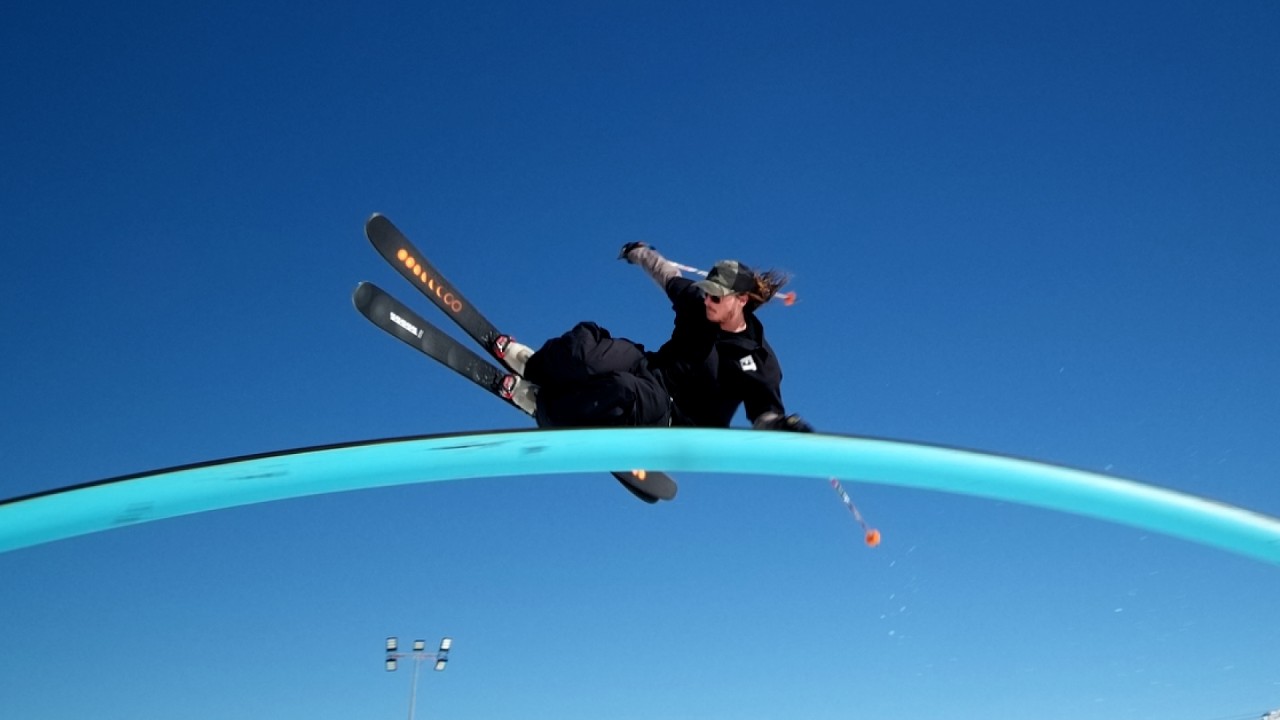
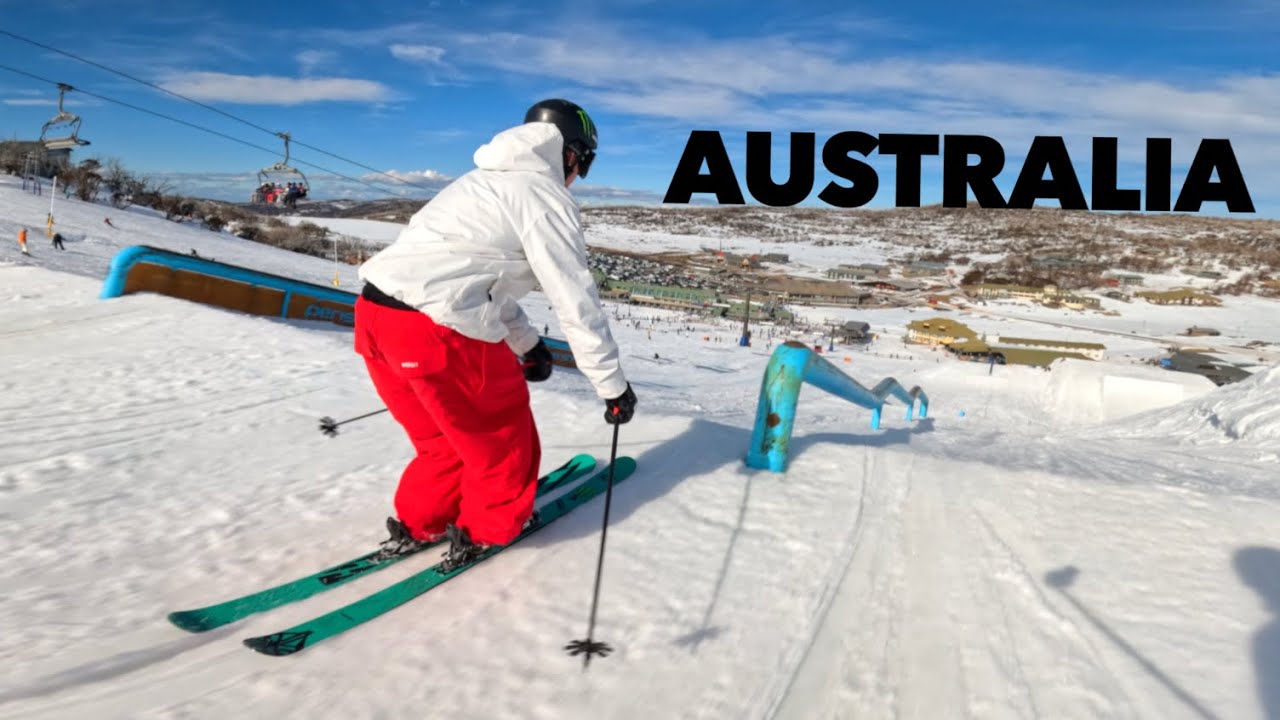
Perisher’s freestyle backbone is a tiered set of parks the resort highlights as a Southern Hemisphere benchmark. The line-up usually includes the headline Front Valley Slopestyle line in view of the village, the jib-heavy Leichhardt Park, Yabby Flat Mini Park for first features, and the family-friendly Piper Fun Park (Perisher Terrain Parks; park roster on resort stats). A dedicated Rider X course in Centre Valley adds boarder/skier-cross laps when conditions allow. Build philosophy is consistent: frequent rebuilds, clean takeoffs, and logical line progression so you can move from box basics to full slopestyle without criss-crossing the mountain.
While stadium-scale international events are rare in Australia, Perisher features regularly on domestic slopestyle and moguls calendars and functions as a training base for national programs and visiting pros. The result for public riders is tangible: broadcast-grade profiles appear through the core weeks of winter, and even outside event windows, feature quality mirrors what teams expect for structured sessions.
Access, logistics, and on-mountain flow
Most visitors drive from Sydney or Canberra to Jindabyne, then choose between the alpine road or the Skitube. The Skitube is Australia’s only alpine railway, running from Bullocks Flat (below the snow line) directly to Perisher Valley and Blue Cow—gold on storm days and a time saver on busy weekends. Night skiing under lights on Front Valley typically runs from 6–9 p.m. on select Tuesdays and Saturdays in winter—check the current season’s update before you plan your evening (night skiing info).
For flow, think by pods and windows. On flat-light mornings, start in Smiggin Holes or the lower benches of Perisher Valley; as ceilings lift, step to Blue Cow and Guthega for longer panels. Build park sessions around temperature: warm up on Yabby Flat or Piper to calibrate speed, then shift to Leichhardt’s jibs and finally the Front Valley slopestyle line once lips are crisp and winds relax. If you’re mixing resorts during a longer stay, Thredbo is the obvious neighbor—see our overview at skipowd.tv/location/thredbo/—but most crews will find enough variety to spend a full week inside Perisher’s network.
Local culture, safety, and etiquette
Inside the boundary, follow the resort’s code: respect rope lines and staged openings, keep speed checks conservative in changeable winds, and remember toboggans are prohibited on ski slopes (snow safety). Uphill travel (touring on resort trails) is controlled; Perisher’s published uphill access policy outlines when and where it’s permitted—generally outside public operating hours and subject to specific conditions (uphill policy PDF).
Beyond groomed corridors you’re in Kosciuszko National Park. Weather can swing fast, roads can glaze, and avalanche hazard does exist on steeper alpine faces. If you’re heading for the Main Range or off-piste terrain, carry beacon, shovel, and probe; leave a plan; and read the daily backcountry conditions bulletin via the not-for-profit Mountain Safety Collective, backed up by NSW National Parks alpine safety guidance (alpine safety). On the highway approach, check live road status and chain advisories; carrying chains is strongly recommended in winter, and park entry fees apply inside Kosciuszko National Park (snow driving).
Best time to go and how to plan
The most repeatable mix of park speed and cold snow surfaces usually lands from late July through late August. June to early July relies more on snowmaking and smaller park sets while the base builds; September trades some refills for longer light and forgiving slush that’s perfect for new tricks and golden-hour filming. If night laps are on your list, aim for a Tuesday or Saturday when conditions and schedule align on Front Valley. Multi-day budgets benefit from the Epic Australia Pass, which covers Perisher and pairs well with spring missions to Falls Creek or Hotham later in the season.
Daily routine is simple: check lift, road, and park status at breakfast (mountain ops; parks page), set a two-or-three-feature warm-up circuit, then step to bigger lines once lips are set. On storm or wind days, default to sheltered benches and Smiggins laps; when skies open, move to Blue Cow/Guthega vistas for faster, longer panels. If you’re driving, build buffer time around chain controls and consider parking at Bullocks Flat to ride the Skitube rather than queue on the alpine road.
Why freeskiers care
Because Perisher turns an Australian winter into productive, low-friction progression. You get multiple, well-maintained parks on a clear ladder from beginner to slopestyle, long groomer mileage to reset legs and speed, night sessions when conditions allow, and the Skitube to keep the day moving even when weather is messy. Add a safety framework that’s explicit on- and off-piste and a terrain mix that lets mixed-ability crews thrive, and Perisher becomes the obvious anchor for a Southern Hemisphere season built on craft, consistency, and a lot of laps.