Jyväskylä
Finland
Finland
Overview and significance
Jyväskylä sits in Central Finland and doubles as an urban base for reliable, high-frequency laps at Laajavuori’s city resort, Laajis—just a few minutes from the center. For freeskiers, the draw is a concentrated setup of illuminated slopes and a three-park program that lets you progress efficiently on weeknights as well as weekends. The resort’s compact footprint, frequent reshapes, and short lift rides create the repeatability that park skiing and filming demand. Beyond rails and jumps, Jyväskylä’s Laajavuori hillside also hosts a dedicated mogul venue that has staged European-level competitions, giving the local scene a legitimate competition pedigree. In short, Jyväskylä isn’t a big-mountain destination; it’s a city-within-reach training ground where consistent conditions and smart design make skill-building practical all winter.
The city’s accessibility elevates its role in Finland’s freestyle map. With rail connections from Helsinki and a regional airport to the north of town, crews can move in and out with minimal logistics. On snow, Laajis concentrates services, rentals, and terrain directly at the base, turning after-work sessions and quick weekend missions into productive, low-friction days.
Terrain, snow, and seasons
Laajis is purpose-built for mileage rather than vertical bravado. Official slope information lists a dozen runs served by half a dozen lifts and a trio of snowparks, spanning beginner areas to a black-diamond mogul line. The front-side Eturi slope is shaped to support both alpine speed checks and freestyle approaches, while the back-side terrain includes the “Wild West” area for a more natural feel within the resort boundary. Illumination extends the usable day when midwinter light is short, and grooming keeps in-runs predictable despite temperature swings.
Jyväskylä’s winter is long, cold, and snowy by lowland standards, with persistent sub-freezing periods that preserve takeoffs and landings between rebuilds. Typical mid-season weeks run well below zero Celsius, so wax choices and edge sharpness matter. Snowmaking and nightly maintenance stabilize surface quality, and because the resort sits just a few kilometers from downtown, storm-day laps are realistic even when driving conditions are slow. The practical takeaway is consistency: you can plan on rail mileage most days and step to medium features whenever the build schedule and temperatures align.
Park infrastructure and events
Laajis runs three distinct zones. The headline line is the Laajis Snowpark on Eturi, where the biggest jumps and most technical rails appear during peak weeks and where slopestyle sessions and comps are staged. “Junnuparkki,” on the Auris slope, is the on-ramp for new park riders with smaller features and forgiving setups, and “Miniparkki” in the Snowland area lets absolute beginners try boxes and micro-features safely. Lines are updated through the season, so you’ll see configurations evolve from early-season rails toward more complete jump lanes as coverage and temperatures allow.
Competition credibility is real. In early February 2025, Jyväskylä hosted FIS Freestyle Europa Cup moguls on the dedicated mogul course at Laajavuori, organized with the local Jyväskylä Freestyle Club. The official materials and results confirm multiple Europa Cup starts on back-to-back days with international fields, underscoring that the hill’s shaping, safety netting, and flow meet continental standards. That event window typically coincides with meticulous course prep and spillover attention to public lanes, which benefits everyday skiers before and after the competitions.
Access, logistics, and on-mountain flow
Reaching Jyväskylä is straightforward. Long-distance VR trains connect from Helsinki, with easy transfers from the airport rail link at Tikkurila or Pasila as outlined by the regional tourism board. If you fly, Jyväskylä Airport serves the area to the north of town. Once in the city, Laajis is roughly four kilometers from the center and reachable by short drive or local transit, which makes dawn and after-dark sessions realistic.
For flow, start on Eturi to check wax and speed on groomed lanes, then move into the main Snowpark line for rail mileage and medium tables. Slot progression into Junnuparkki when you’re learning a new trick, and return to the big line once timing is consistent. If you’re cross-training moguls, the designated line skis best after fresh machine-set, when the rut is clean and landing gradients are even. Because everything sits close to the lifts, you can rotate from drills to filming and back without long traverses or time penalties.
Local culture, safety, and etiquette
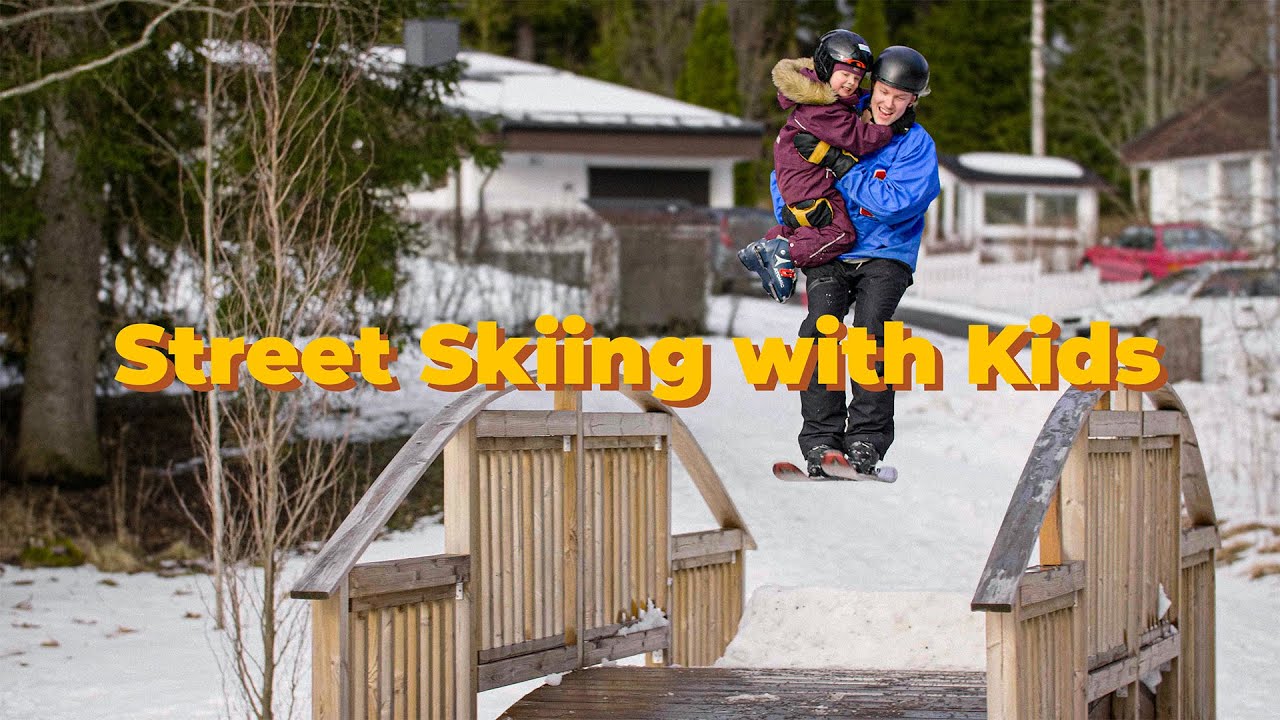
Jyväskylä’s vibe is pragmatic and progression-focused. Call your drop, clear landings quickly, and respect rebuild signage—especially on Eturi when lips are curing. Helmets are the norm in park zones. On cold nights, frost glaze can make rails faster than expected; a few warm-up boardslides in Junnuparkki help reset edge and base feel before stepping to technical features. When events are live on the mogul course, respect closures and volunteer directions; public terrain remains available elsewhere on the hill. In the city, winter is everyday life, so keep urban filming discreet and courteous if you explore street features—preserving access matters for everyone.
Best time to go and how to plan
January and February deliver the most repeatable cold for park speed and stable landings, which is also why higher-level mogul competitions target this window. Early season is rail-heavy while builds ramp up; by mid-season, expect fuller jump lines on Eturi. Spring softens takeoffs for confidence sessions and jam-style filming, but manage speed as the sun warms top layers. Use the resort’s operations pages for opening hours and current builds, and check regional travel info to time trains that drop you into town with the least waiting. Booking accommodation near Laajavuori or in the compact city center keeps transfers short and sessions spontaneous.
Why freeskiers care
Jyväskylä offers what many riders actually need: reliable access to shaped features, fast laps, lights at night, and a competition-grade mogul venue that proves the hill’s capability. The three-park layout creates a clean progression ladder from first boxes to proper jump lines, and the city location eliminates the dead time that drains motivation. If your winter plan is to build rail precision, keep jump timing sharp, and stack clips without a multi-hour commute, Jyväskylä’s Laajis delivers a dependable, rider-first environment in the heart of Finland.