Grand Targhee
Rocky Mountains - WY
United States
Overview and significance
Grand Targhee is a powder-first resort on the west side of the Tetons, perched above the town of Driggs, Idaho but located across the state line in Alta, Wyoming. It is the quiet, storm-catching counterpart to its famous neighbor over the divide, with a reputation for deep cycles, forgiving landings, and sustained, leg-friendly fall lines. The resort’s footprint spans 2,602 acres with a 2,270-foot vertical drop, six lifts, and an average of 500+ inches of annual snowfall, all spread over two primary summits—Fred’s Mountain and Peaked Mountain—with in-bounds, hike-only terrain on Mary’s Nipple when conditions allow. Those fundamentals make Targhee a go-to for freeskiers who value flow and snow quality over hype, and who want a mountain that rewards both progression days in the park and storm chasing in the trees and bowls. For official stats and current operating windows, start with the resort’s mountain information hub at Grand Targhee Mountain Stats.
The identity here is distinctly Tetonic but less crowded: frequent resets courtesy of west-side storm tracks, wide corridors that ride well in flat light, and ridge-accessed faces that feel adventurous without requiring full backcountry logistics. Add a calendar of grassroots comps and regional freeride events, a resort-run valley shuttle, and straightforward road access when the weather plays nice, and Targhee becomes an efficient base for stacking high-quality laps across a full week.
Terrain, snow, and seasons
Targhee skis in three tiers. Fred’s Mountain delivers long groomers, glades, and side-hit lines that keep speed consistent in variable visibility. Peaked Mountain skis steeper and more open, with wind-buffed chalk between storms and drifted pockets that refill quickly. Above them both sits Mary’s Nipple, an in-bounds, patrol-managed, hike-only zone that opens in stages and offers short-but-serious shots when stability and coverage line up; the resort lists Mary’s as a distinct in-bounds objective within its mountain stats. The snow climate is reliably generous: dense, maritime-influenced flakes during active cycles create supportive takeoffs and landings, while clear, cold nights set friendly packed powder and chalk across north and east aspects.
Winter typically runs from late November into April (season dates vary by year), with January through early March providing the best balance of frequent refreshes and durable surfaces. Between storms, seek preserved snow on leeward bowls and in the mid-mountain trees; on bluebirds after wind events, ride upper ridges for chalk and scooped-out panels. Spring brings classic corn on solar slopes while higher, shaded lines stay wintry. Keep an eye on the resort’s trail maps and daily report to time rope drops and sector openings; both are updated on the operations pages at Trail Maps and the live Lifts & Trails Report.
Park infrastructure and events
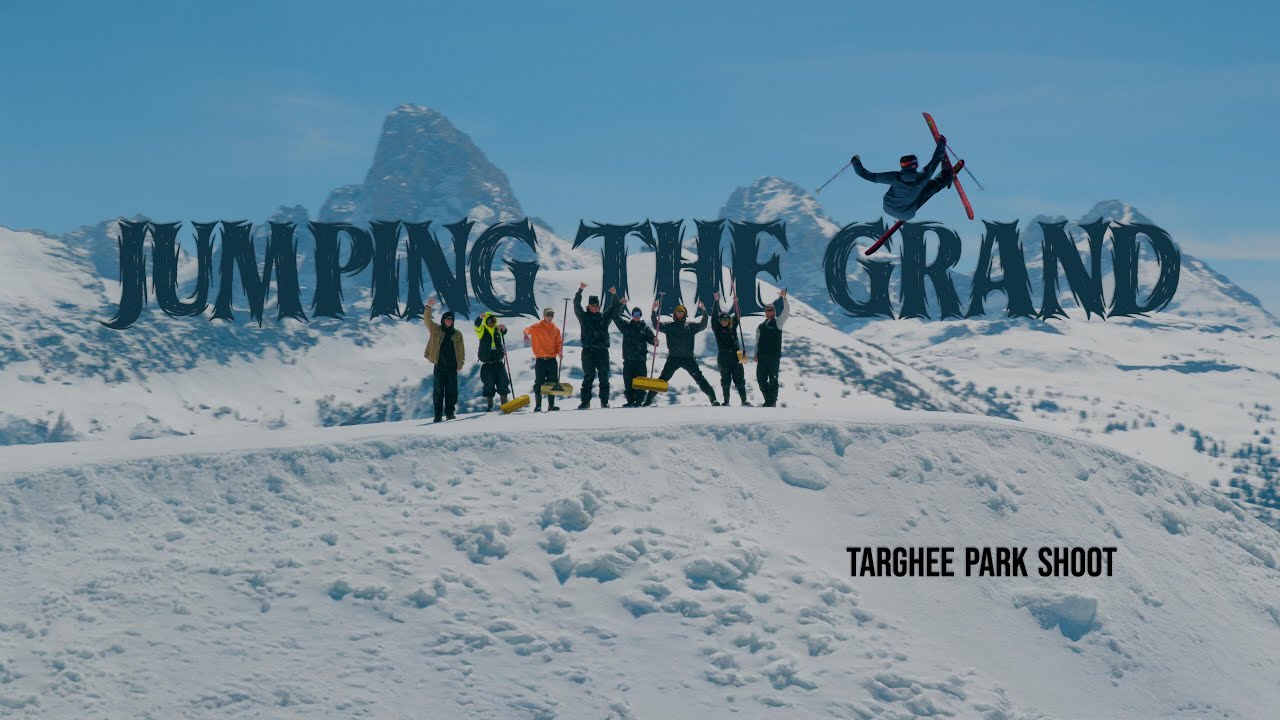
Grand Targhee’s park program is purpose-built for progression. The crew rotates rail gardens and jump lines through the season, headlined by the North Pole Terrain Park when coverage and temperatures allow. Expect a steady cadence of homegrown events: USASA slopestyle and rail jams, boarder/skier cross weekends, and creative one-offs like the surf-inspired course at the Teton Surf Classic. Check the resort’s events listings for current dates, including the USASA park and cross competitions, the Teton Surf Classic, and seasonal takeovers such as Terrain Park Takeover. Park etiquette and safety are emphasized in the resort’s guidance—review the terrain park safety page before you drop.
Freeride culture is active here as well. Targhee has hosted IFSA qualifiers on Peaked Mountain and continues to appear on the junior and regional calendars; the current slate posts through the IFSA’s venue page and the resort’s events calendar. The mix—credible natural terrain with a consistent park under it—makes Targhee a productive filming and training base when you want to keep options open in shifting weather.
Access, logistics, and on-mountain flow
Most visitors stage in Teton Valley, Idaho. From Driggs, it’s a short drive up Ski Hill Road to the base area; the resort runs a valley shuttle with park-and-ride stops in Victor and Driggs and live bus tracking via its app (see Teton Valley Shuttle). From the east, travelers coming from Jackson cross on Wyoming Highway 22 over Teton Pass; after 2025 reconstruction, the route is open, but winter storms and maintenance can trigger traction laws or short closures—always check the current status on WYDOT’s WY-22 page before committing. Inbounds, circulation is straightforward: lap Fred’s for storm-day trees and visibility, step to Peaked as light improves, and slot Mary’s once patrol opens the hike and stability is solid.
Flow tips are simple. Build repetition by choosing a two- or three-feature circuit in the park rather than crossing the entire hill. On powder mornings, ride mid-mountain glades while the upper routes are assessed, then follow patrol’s staged openings onto bowls and ridges. On wind-buffed days, hunt chalk on Peaked’s exposed faces and save low-angle trees for the afternoon. If a down day appears, the valley’s coffee-and-wax routine pairs well with short window sessions when the rope drops again.
Local culture, safety, and etiquette
Targhee skiers are pragmatic and avalanche-aware. In-bounds closures and rope lines are actively managed—respect them, especially around Mary’s and other hike-to panels. If you plan to tour beyond the boundary, treat the Tetons with full mountain discipline and start your day with the regional bulletin from the Bridger-Teton Avalanche Center. Standard park etiquette applies: inspect features, call your drop, hold a predictable line, and clear landings and knuckles quickly so the lane keeps moving. Tree wells are a recurring hazard in deep Teton cycles; ski with a visible partner and avoid solo laps in refills. Note that the resort’s long-running cat skiing program on Peaked Mountain has been retired; lift-served and hike-to options now define the experience (see the resort’s announcement, “A Final Farewell to Cat Skiing”).
Best time to go and how to plan
For the highest odds of repeated refills and durable park lips, aim for mid-January through early March. That window typically brings frequent storms and cold surfaces that hold shape between cycles. March adds daylight and spring corn on solar aspects without sacrificing upper-mountain quality on shaded faces. Lock lodging in Driggs or at the base early for peak weeks, and build buffer time into any itinerary that relies on Teton Pass in active weather. Each morning, scan the resort’s lifts and trails report for wind holds, rope drops, and park updates, then plan by aspect and elevation as light and temperature shift.
Why freeskiers care
Because Grand Targhee converts powder and time into progression. You get a mountain that fills in fast and skis well in mixed light, a park program that favors clean, repeatable laps, and hike-to terrain that adds real consequence under patrol’s eye when conditions line up. The travel logistics are modest, the safety framework is clear, and the culture prizes flow over flash. If your goal is to stack quality runs, film without fighting crowds, and come home better than you arrived, Targhee earns a prime slot on the Western U.S. shortlist.