Sophia Rouches
Profile and significance
Sophia Rouches is a Pacific Northwest big-mountain and backcountry skier whose career is rooted in the deep, stormy snowpacks of Washington State. Raised in Fall City, at the foothills of the Cascade Mountains, she grew up chasing laps at Alpental, the steep, compact ski area at The Summit at Snoqualmie, before expanding her range to the wider Cascades and eventually to ranges around the world. Rather than following a traditional race or slopestyle path, she built her profile through freeride segments, road-trip films and a steadily growing filmography that blends strong skiing with thoughtful storytelling.
Now based in Bellingham, Washington, Sophia splits her time between winter seasons centered around Mt. Baker Ski Area and summers running sea-kayak trips as the owner-operator of Moondance Sea Kayak Adventures. On snow she is known for steep chutes, soft pillow lines and a willingness to bring real freestyle into consequential terrain; off snow she is recognized as a small-business owner, guide and mentor for younger riders. With film parts in projects such as “The Approach,” “The Approach 2,” Faction’s “Roots” and “Abstract: A Freeski Exhibition,” she has become one of the key modern voices in Pacific Northwest freeskiing, especially for women looking to step into big-mountain and backcountry spaces.
Competitive arc and key venues
Unlike many athletes with similar name recognition, Sophia’s rise has not revolved around World Cup standings or Freeride World Tour points. Her “competitive arc” is defined more by venues and projects than by podiums. As a kid and teenager she honed her skills at Alpental, a small but famously steep mountain where a rickety double chair leads straight into expert terrain packed with cliffs, tight trees and easily accessed backcountry. That environment rewarded riders who could read micro-landings, maintain speed through narrow chokes and stay calm when visibility went flat, all traits that show up clearly in her later work.
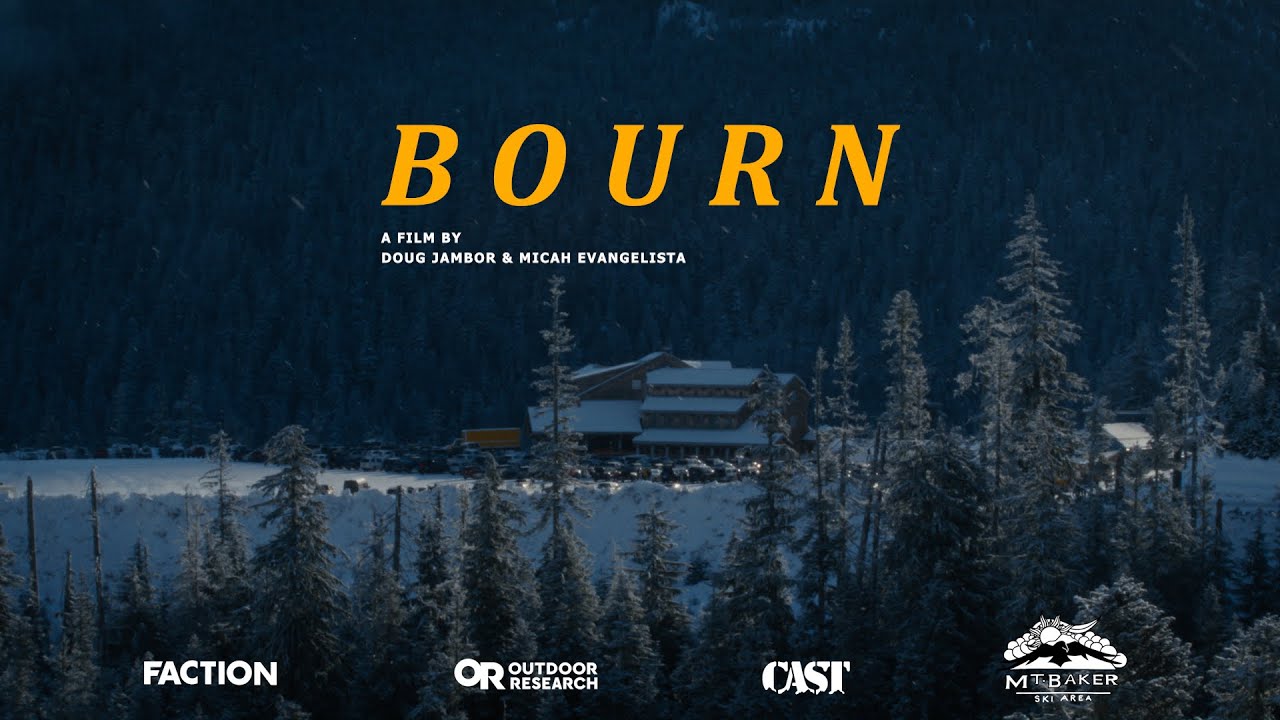
As she grew into a full-time skier, her map widened. Long winters around Mt. Baker gave her access to some of the deepest seasonal snow totals on the planet and to a backcountry full of natural road gaps, pillow zones and wind-sculpted features. It was here that she tackled the Mt. Baker road gap, a generational rite of passage where she chose to throw a laid-out backflip rather than a simple straight air, hiking back up to repeat the line until she was satisfied with the landing. Later, film trips linked Baker and Snoqualmie terrain with travel to other snow-heavy ranges, but the core of her skiing remains tied to these Washington venues that shaped her instincts and line choices.
How they ski: what to watch for
Sophia’s skiing is built for deep snow, complex terrain and the kind of three-dimensional features that define the Pacific Northwest. Her stance is strong and centered, with a quiet upper body and active legs that absorb pillows, rollers and abrupt transitions without breaking rhythm. She likes to ski fast but rarely looks hurried; instead, she lets the fall line dictate tempo, using subtle changes in turn shape and snow density to manage speed. In tight trees and technical chutes, she threads lines with minimal side-slipping, trusting her edges and balance to keep momentum alive.
On features, her style combines freeride commitment with freestyle clarity. In films like “The Approach” and Faction’s “Roots,” she throws backflips, big 360s and stylish straight airs off natural takeoffs, often into steep landings that demand precision more than brute force. She is careful about grab choice and body position, favoring tricks that read cleanly on camera and flow naturally into the next turn. Watch the way she exits landings: rather than shutting down all speed, she absorbs the impact, re-centers quickly and rolls back into linked turns, so the entire line feels like one coherent piece of skiing rather than a series of isolated stunts.
Resilience, filming, and influence
Resilience is a major thread in Sophia’s story. A fractured tibial plateau at what felt like a pivotal moment in her career could easily have derailed her progress. Instead, she used the recovery window to work on other parts of her life, develop new skills and reset mentally so that her return to snow would be driven by genuine motivation, not rushed timelines. When she talks about that period, she emphasizes the importance of mental rehab alongside physical rehab, and of letting herself step temporarily away from skiing to come back with a clearer head and a stronger sense of purpose.
On the creative side, Sophia’s influence extends well beyond her own clips. Her segments in “The Approach” and “The Approach 2” placed her alongside a crew working explicitly to broaden representation in ski films, foregrounding women and riders of color in spaces where they have historically been underrepresented. With Faction she appears in “Roots” and “Abstract: A Freeski Exhibition,” helping frame what the brand’s modern big-mountain identity looks like. She has also produced and skied in independent projects such as “Confluence,” stepping behind the camera to shape narrative, tone and pacing. That mix of athlete and filmmaker roles makes her an important model for riders who want creative control over how their skiing is portrayed.
Geography that built the toolkit
Geography is central to understanding Sophia’s toolkit. Growing up near Snoqualmie Pass meant that Alpental was the default training ground, a place where two chairs access some of the steepest inbounds terrain in the lower 48. There she learned to hunt for “micro landings” between trees and rock bands, to ski fast into tight spaces and to treat lift lines as part of the culture, not an inconvenience. That environment also normalized quick laps between storms, where conditions might be wind-scoured, breakable or ankle-deep in new snow, forcing constant adaptation.
Later, settling in Bellingham tied her closely to Mt. Baker and the upper North Cascades. Baker’s famous snowfall and labyrinth of gullies, pillows and ridges became both playground and classroom, teaching her how heavy coastal snow behaves on steep slopes and how to translate storm-day instincts into safe backcountry decisions. Spring trips to Pacific Northwest volcanoes extended that education into longer missions, with “really long walks” on skis up broad faces and winding glaciers. Together, Alpental, Baker and the surrounding volcanoes have given her a deep, terrain-specific understanding of how snow and mountains interact in one of the most complex winter climates in North America.
Equipment and partners: practical takeaways
Sophia’s equipment choices reflect a focus on reliability in big, variable terrain. On snow she rides for Faction Skis, gravitating toward freeride-oriented models with enough width to stay on top of PNW storm snow while remaining nimble in tight trees and pillow stacks. Her outerwear and technical layers come from Outdoor Research, a natural fit for a skier who spends long days in wet coastal storms and needs gear that stays waterproof and breathable without sacrificing mobility.
For safety and vision, she relies on helmets and goggles from Giro and avalanche tools from Backcountry Access, which she uses both in filmed backcountry zones and on everyday touring missions. She has also worked with Stoko to support her knees with integrated-support tights after injury, an example of how she thinks about long-term joint health in a high-impact sport. Off the snow, her ownership of Moondance Sea Kayak Adventures provides a complementary gear world—kayaks, paddles, drysuits and safety systems—that reinforces her broader identity as a year-round mountain and ocean guide. For progressing skiers, the takeaway is clear: her sponsors reflect a system built around safety, durability and comfort that matches the terrain she actually rides.
Why fans and progressing skiers care
Fans are drawn to Sophia Rouches because her career combines high-end action with a grounded, real-life context. She is a skier who can throw a stylish backflip over a highway gap at Mt. Baker and also show up the next season as the owner of a guiding business, a mentor in a male-dominated industry and a voice for a more inclusive mountain culture. Her film segments deliver the kind of deep-snow footage and big hits that core freeriders crave, but they are embedded in stories about place, community and resilience rather than in pure stunt reels.
For progressing skiers, especially those from smaller hills or wet coastal climates, Sophia offers a believable roadmap. She built her skills on local passes, moved gradually into bigger terrain, navigated serious injury and found ways to balance professional skiing with guiding and entrepreneurship. She shows that you do not have to live in a contest bib or chase global spotlight to have an impactful ski career; instead, you can anchor yourself in a region, learn it deeply and then share it with the world through thoughtful films and strong, creative skiing. Whether you discover her through a Faction movie, an “Approach” screening or a clip of that Mt. Baker road-gap backflip, following her work is an invitation to take your own home mountains seriously as a lifelong project.