Julianne Evangelista
Profile and significance
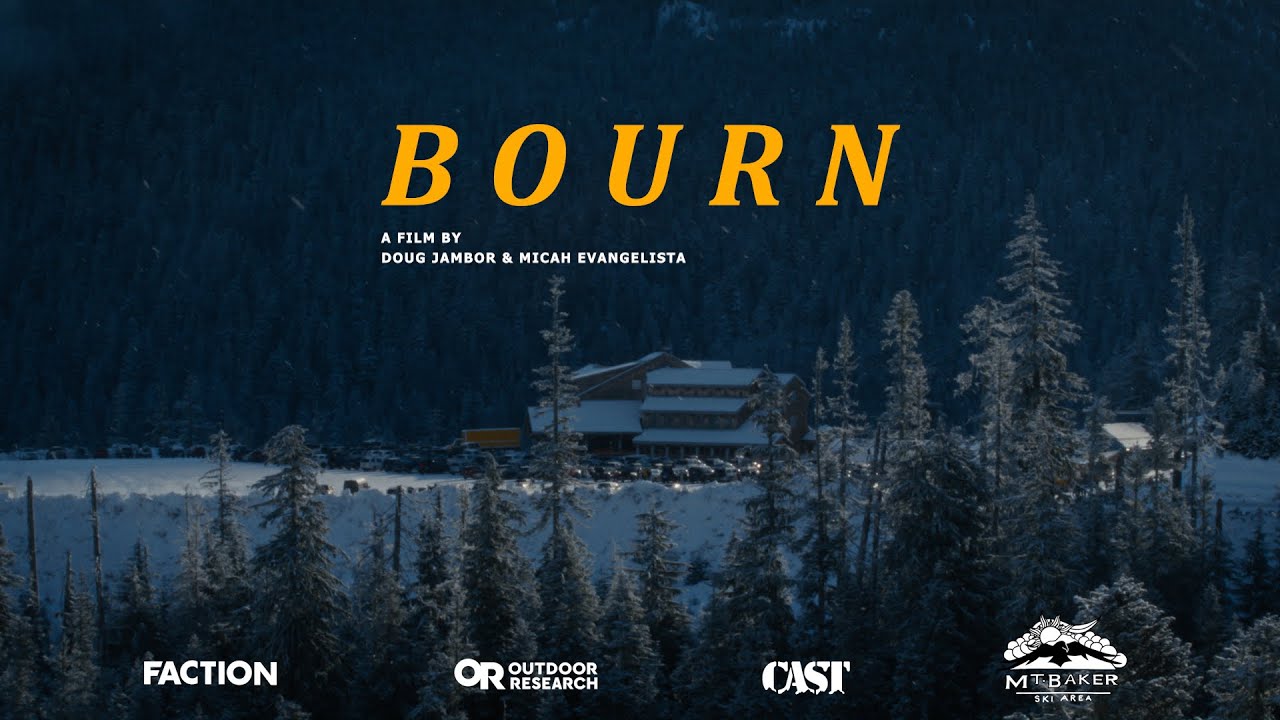
Julianne Evangelista is a lifelong skier from Glacier, Washington, whose story is woven directly into the snow and storms of Mt. Baker. Known to many viewers through the film “BOURN,” she appears not as a conventional professional athlete chasing podiums, but as the person who quietly built the foundation for her son Micah’s freeski career and for a family life centered around one mountain. In the film, mother and son look back together on the choices, habits and small moments that shaped his skiing and his character, making Julianne a central voice in one of the most thoughtful portraits of modern backcountry life to come out of the Pacific Northwest.
What gives Julianne a place on a ski-focused platform is the way she represents a very real, very common but rarely documented kind of athlete: the dedicated local who organizes life around winter, works in the community and still shows up in the films that define a region’s ski culture. As a long-time Glacier resident and educator in the local school district, she has spent decades balancing responsibilities in the valley with days on the hill, helping her family and students navigate winters under Baker’s huge snowfall. Through “BOURN” and related coverage, she emerges as more than “Micah’s mom”; she is a skier in her own right, a narrator of family history and a living link between generations of North Cascades mountain people.
Competitive arc and key venues
Unlike many athletes featured on contest-driven platforms, Julianne’s skiing story does not revolve around formal competition. There is no list of race results or freeride rankings attached to her name, and that is exactly what makes her role in “BOURN” stand out. Her arena has always been her home mountain. For years she has skied the steep, intricate terrain around Mt. Baker Ski Area, sharing chairs, hikes and storm days with her family and with a community that measures status less by medals and more by how many winters you have spent exploring the same ridgelines.
In “BOURN,” the key “venue” is the Mt. Baker backcountry itself. The film is structured as a fully human-powered project, returning to zones that Micah grew up looking at from the valley, and Julianne appears as both a skier in this landscape and a voice reflecting on what those slopes have meant over time. Instead of competition bibs and judges’ tents, viewers see skin tracks winding through trees, bootpacks up familiar faces and scenes of the family home in Glacier. These places—driveway, skin track, chairlift and ridgeline—are where Julianne’s skiing life has unfolded, season after season.
How they ski: what to watch for
While “BOURN” is primarily framed around Micah’s lines, the segments that feature Julianne offer a clear sense of how she moves on snow. She skis with the steady, composed stance of someone who has spent a lifetime in variable conditions: weight centered, shoulders quiet, speed managed more by subtle turn shape than by abrupt braking. On in-bounds terrain around Mt. Baker she favors clean, linked turns that follow the fall line without rushing it, a style shaped by years of navigating deep coastal snow, flat light and hidden rolls.
What stands out on film is not high-consequence airtime but confidence and comfort. In backcountry scenes, you see her traveling at a sustainable pace, handling kick turns and undulating skin tracks with the ease of long practice, then transitioning into smooth, controlled turns on the descent. For viewers, those moments show the other half of a familiar story: behind every headline freerider from a small mountain town, there is often a parent who knows the same terrain well enough to recognize both its beauty and its risks. Julianne’s skiing reads exactly that way—quietly capable, grounded and fully at home in the snowpack that surrounds her community all winter.
Resilience, filming, and influence
Julianne’s influence is most visible in the way other people in her life talk about her. In coverage around “BOURN,” she is described as the person who watched Micah fall, get back up and try again, season after season, and as the parent who never stopped encouraging persistence even when learning to ski and film meant a lot of crashes along the way. That mindset—falling, standing up, trying again—is a theme in her on-screen narration and a core value in how she talks about raising a child at the base of a serious mountain.
Her resilience is also expressed through continuity. Decades in the same small town, winter after winter of early mornings, storm commutes and avalanche closures, have shaped not just her own skiing but the culture her family inhabits. By agreeing to step in front of the camera for “BOURN,” she adds texture and emotional context to what might otherwise be “just” another deep-snow film. Viewers see and hear a parent reflecting honestly on risk, reward, commitment and the strange, magnetic pull of staying rooted to a place where the weather can be harsh and the logistics demanding. For younger skiers and parents watching together, her presence offers a rare, grounded perspective on what it means to build a life around skiing without ever chasing a traditional spotlight.
Geography that built the toolkit
Julianne’s skiing is inseparable from the geography of Glacier and the North Cascades. The town lies at the end of the road below Mt. Baker Ski Area, in a valley where winter storms frequently drop enormous amounts of snow in short windows. Living there means dealing with road closures, rapidly changing avalanche conditions and deep, wet snow that can shift from supportive to unstable within hours. Over many seasons, that environment has given her a practical, cautious understanding of weather patterns, snowpack behavior and the difference between safe, playful days and times when it is better to stay closer to home.
“BOURN” highlights how this geography shapes family life. Shots of the Evangelista home, the surrounding forest and the approaches into Mt. Baker’s backcountry zones emphasize how close everyday routines and serious mountains sit to each other in Glacier. For Julianne, that proximity has meant building habits that keep skiing sustainable: paying attention to conditions, supporting avalanche education for her children, and treating the mountain as a long-term relationship rather than a series of one-off adventures. Her toolkit is less about dramatic first descents and more about decades of small, correct decisions that allow a family to keep skiing together in a complex environment.
Equipment and partners: practical takeaways
Unlike many athletes on global contest circuits, Julianne is not tied to a public roster of ski sponsors, and “BOURN” does not foreground logos around her. Instead, the film shows her in the kind of gear that countless Pacific Northwest locals rely on: wide enough skis to handle Baker’s famously deep snow, touring-capable bindings when the group heads beyond the lifts, and waterproof, breathable outerwear that can cope with heavy precipitation and dense trees. Avalanche safety equipment—beacon, shovel and probe—are quietly present as part of the group’s baseline, not as highlighted product placements.
For recreational skiers who see themselves in her story more than in that of a competition pro, there are practical lessons in this low-key approach. The emphasis is on systems that work every day in a rough climate: clothing that stays dry during storm days, boots that remain comfortable through lift laps and short tours, and safety gear that is familiar enough to be used instinctively if needed. Watching Julianne move through Baker’s winter with her family underlines a simple truth: for most skiers, especially those living near a single home mountain, the “right” equipment is whatever reliably supports years of outings rather than whatever makes the loudest marketing splash.
Why fans and progressing skiers care
Fans of “BOURN” and of Mt. Baker’s freeride culture care about Julianne Evangelista because she embodies the quieter, often invisible side of ski life that rarely makes it into brand campaigns. She is the parent driving canyon roads, the teacher who still has energy for weekend powder days, the local who knows which trees hold good snow after a storm and which days are better spent baking or reading while the mountain resets. On screen, her voice and presence give emotional depth to Micah’s footage, reminding viewers that no skier grows up in isolation.
For progressing skiers—especially those who come from small mountain towns or ski families—Julianne’s story offers a different kind of role model. She shows that you do not need medals or sponsorship deals to have a meaningful, lasting relationship with a mountain, and that supporting someone else’s career can be as significant as pursuing your own. Her combination of steady skiing, long-term commitment to place and willingness to share honest reflections on camera makes her a valuable figure in the broader narrative of Mt. Baker skiing. In a landscape often dominated by highlight reels, Julianne represents the enduring heart of the local community that makes those highlights possible.