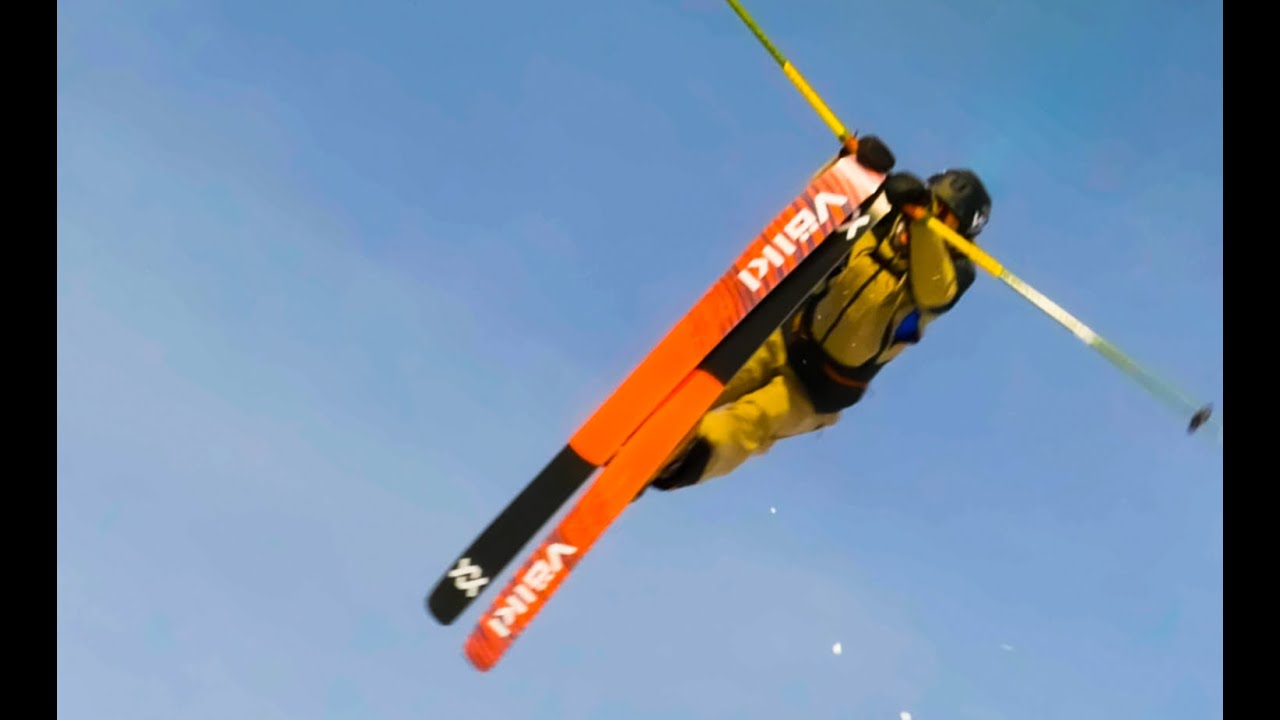
Jérémie Paquette
Profile and significance
Jérémie “Je Paq” Paquette is a Canadian freeride skier whose story combines classic ski-bum grit with rapidly growing big-mountain credentials. Raised in Quebec and now based in Whistler, British Columbia, he has built a reputation for charging hard, taking creative lines, and keeping the stoke high whether he is dropping cliffs or sleeping in the back of his car. A former park and slopestyle competitor from the Mont Orford scene in the Eastern Townships, Paquette has transitioned into full-throttle freeride, earning a place on the Freeride World Tour Challenger circuit and stacking strong results on steep venues across western Canada.
Paquette’s standout contest result so far is a second place at a four-star freeride event at Kicking Horse Mountain Resort, a venue known for sustained pitch and unforgiving exposure. That podium helped secure his role on the Challenger tour, where his rider profile lists both Mont-Orford and Whistler Blackcomb as home mountains. Beyond results, he has become widely recognized thanks to viral clips, including a headline-grabbing triple front flip off the backside of Whistler and a big corked 720 off the famous Air Jordan feature. In parallel he has stepped into brand and film projects, joining the athlete roster for glove specialist Auclair and starring in the short documentary “Ascent,” backed by ski and boot brands like Völkl, Marker and Dalbello.
Competitive arc and key venues
Before he was known as Whistler’s triple-frontflip guy, Paquette was a rising park skier from Magog, Quebec, cutting his teeth with the Orford Freeriders club. Articles from his early years describe him winning multiple gold medals in regional slopestyle events at hills like Belle-Neige and Le Massif du Sud, and chasing a ticket to Canadian championships. That park background gave him confidence with spins, grabs, and air awareness, but he was also drawn to the looser, more natural style of freeride. Over time, he shifted from shaped park jumps to wind lips, cliffs, and natural takeoffs, blending his competition fundamentals with a love of improvisation in the terrain.
The move west to Whistler was a turning point. Life became about long seasons on Whistler Blackcomb, lapping Peak-to-Creek top to bottom, sending classic features and hunting storm cycles. From there, Paquette stepped onto the Freeride World Qualifier and then Challenger circuits, targeting steep, technical venues built for high-consequence skiing. His second place at the four-star event in Kicking Horse Mountain Resort marked his arrival as a serious freeride contender, showing he could combine freestyle moves with controlled exposure in big terrain. Challenger tour starts, “Born Cold” moments at events, and consistent strong finishes at Canadian venues have cemented him as one of the more exciting new-school faces pushing into the top tiers of contest freeride.
How they ski: what to watch for
Paquette’s skiing is an energetic blend of freestyle tricks and classic freeride fall-line commitment. When you watch his competition runs or inbounds clips, the first thing that stands out is his comfort with speed. He rarely side-slips into features; instead he approaches from high above, commits early, and uses subtle edge sets to control takeoff timing rather than big, obvious checks. That approach is what makes lines like Air Jordan so memorable in his hands: he clears the entrance with confidence, regroups quickly, and uses the remaining terrain to set up a clean, corked trick into the run-out.
On airtime, you see the park background immediately. Paquette keeps his body compact, grabs held long, and head tracking the landing rather than twisting through the air. Rotations are decisive but not frantic; even on the viral triple front flip backside of Whistler, the motion is powerful but organized, with a strong pop, tight tuck and clear spotting phases. Between features he skis with a low, athletic stance that lets him absorb terrain and re-center quickly, an important detail for anyone learning from his footage. For aspiring freeriders, focusing on his speed management, takeoff discipline and ability to stay composed after big impacts is more useful than just copying the trick list.
Resilience, filming, and influence
Part of what makes Paquette such a compelling figure is his willingness to live the lifestyle as fully as he attacks his lines. In interviews and on the Low Pressure Podcast, he describes long stretches of living in his car in Whistler, drying gear in improvised ways and planning days around where to park, charge a phone, and find a sauna after skiing from bell to bell. That kind of commitment has helped him stack more time on snow than most, and it gives his public persona a grounded, relatable feel: he is not just dropping enormous lines, he is doing it from the classic ski-bum starting point.
The short film “Ascent,” directed by Ulysse Guay, captures a different side of that story: the aftermath of injury and the mental work required to come back. Billed as a comeback documentary and featured on the Pangea Collective Freeride Film Tour, the film follows Paquette as he returns from a serious setback to chase his dream life as a professional skier around Whistler. Instead of focusing only on highlight tricks, “Ascent” leans into rehab, self-doubt, and the patience needed to rebuild confidence in big terrain. For younger riders, it is a reminder that sendy skiing and long-term durability must coexist if you want to stay in the game.
Geography that built the toolkit
Paquette’s skiing is stamped by the contrast between his home mountains. On the Quebec side, Mont-Orford offers tree lines, short but intense pitches, and plenty of icy, variable days. Growing up there means learning to set edges precisely, manage speed on firm snow, and get creative with smaller features. Early competition results at resorts like Belle-Neige and Le Massif du Sud show he learned to make the most of modest vertical by packing a lot of action into each run, a habit that still shows in how densely he loads technical moves into a freeride venue.
On the West Coast, the vast scale of Whistler Blackcomb changed what was possible. Suddenly lines like Air Jordan, big back bowls and long fall-line faces became daily training grounds instead of rare opportunities. Top-to-bottom laps from the alpine to the valley, deep-storm tree skiing and easy access to sidecountry features all pushed his comfort zone. Add in road trips to Kicking Horse Mountain Resort and other big-mountain venues, and you get a skier who reads terrain with both Eastern precision and Western looseness. That geographic mix is a big part of why his freeride lines feel powerful but still controlled.
Equipment and partners: practical takeaways
Gear-wise, Paquette’s visible partnerships line up with his style of skiing. As part of the athlete roster for Auclair, he relies on durable, high-warmth gloves built for long, cold days when you are not going inside between runs. In “Ascent,” the project support from Völkl, Marker and Dalbello reflects a freeride-focused setup: modern freeride skis with stable platforms, robust bindings and boots that can handle repeated big impacts and variable snow without folding or blowing out. For viewers, the takeaway is not that you must ride the same brands, but that building a dependable big-mountain kit matters just as much as the tricks.
If you are progressing toward cliffs, natural jumps, or contest-style faces, Paquette’s approach suggests a few priorities. Aim for a ski with enough width and backbone to stay composed when you land slightly off-balance or in chopped snow. Pair it with bindings set to a release value that matches both your weight and how aggressively you ski, and boots that hold your heel firmly while still letting you flex forward. Add in reliable gloves and outerwear, and you get the kind of comfort and security that makes it easier to focus on line choice and technique instead of cold hands or nervous feet.
Why fans and progressing skiers care
Fans gravitate to Jérémie Paquette because he represents a very current version of the freeski dream. He is not an Olympic medalist or long-time World Cup racer; he is a dedicated skier who left home, lived out of a vehicle, and used sheer time-on-snow to carve out a place in the sport. Viral clips like the triple front flip might be what first catches people’s attention, but over time his consistency on freeride venues, his comeback story in “Ascent,” and his everyday presence on Whistler’s lifts and ridgelines are what keep viewers invested.
For progressing skiers, his path offers both inspiration and practical lessons. It shows that a mix of park fundamentals, small-hill creativity and big-mountain mileage can add up to a recognizable style in front of cameras and judges. It also underscores the importance of resilience: injuries, tight budgets and long seasons in cramped living situations are all part of the story, not reasons to stop. Watching Je Paq ski is entertaining, but studying how he manages speed, engages takeoffs and keeps the fun front and center turns his footage into a real learning tool for anyone who wants to push their own freeride game.