Henry ZakowSki
Profile and significance
Henry Zakowski is a Utah-based freeride skier and coach whose reputation has grown through real-world resort footage, credible results on the Freeride World Tour Qualifier/Challenger pathway, and a clear, instructional voice in his edits. Most winters he stacks laps in the Wasatch—especially at Alta Ski Area, Solitude Mountain Resort, and Snowbird—showing how to read firm “low-tide” conditions as well as storm days. In the Southern Hemisphere he’s spent seasons at The Remarkables in Queenstown, splitting time between coaching and competition. The appeal is simple and durable: readable difficulty. His lines make sense at full speed because approaches are squared early, grabs and slashes are functional, and landings preserve enough speed to keep the run breathing.
Zakowski’s growing footprint includes Challenger-level recognition from the Freeride World Tour and interviews or laps with visiting media crews that highlighted his resort craft on less-than-ideal snow. He also appears frequently in brand and shop content, where the tone matches the skiing: practical, unhurried, and built on decisions viewers can copy the next day.
Competitive arc and key venues
His competitive beat follows the modern freeride ladder. As a junior he logged IFSA regional results, then moved into the North American Qualifier circuit before earning selection to the FWT Challenger roster for Region 2. A key result arrived in Queenstown with a podium at the North Face Frontier 4* in 2023, where a composed run featuring clean 360s and a controlled double-drop sequence put him on the box. Those days on the Remarkables became a proving ground, letting him balance athlete starts with coaching responsibilities and film days.
Venue context explains the toolkit. The Wasatch rewards edge honesty and quick decisions: narrow chutes off the Collins side at Alta, chalky bowls and wind features at Snowbird, and traverse-accessed terrain at Solitude where speed control is non-negotiable. In New Zealand, The Remarkables compresses big choices into short runways and variable snowpacks, a great filter for approach mechanics and landing shape. Together, these places shaped a skier whose competition lines and everyday edits read the same: tidy, decisive, and momentum-forward.
How they ski: what to watch for
Zakowski skis with deliberate economy. Approaches square up early; hands stay quiet; the stance is tall and patient. In steep, featured terrain he favors functional direction changes over drama—hip checks become slashes that reset angle without killing speed. When he spins in the wild, rotations are measured and landings finish over the feet rather than as saves. On natural airs, he “finishes” the move early enough to ride out composed, which keeps the next decision on time even in tight terrain.
If you study his clips, two cues stand out. First, spacing: each move creates room for the next one, so the line feels like a sentence rather than disconnected words. Second, speed protection: he trims just enough at the entry to land centered and moving, which is why his run shape holds up from first feature to last.
Resilience, filming, and influence
Freeride seasons demand patience—storm cycles, chalk weeks, rebuilds after slides, and the judgment to downshift when the snowpack won’t cooperate. Zakowski leans into that rhythm. His edits consciously include “low-tide” days to show how strong skiers solve firm snow, sidewalls, and sharky runouts, turning resort reality into teaching moments. He’s also worked through injury interruptions, returning to the same fundamentals—entry angle, early commitment, centered exits—that make his skiing readable on camera. That clarity is why his clips travel: editors don’t need fast cuts to hide mistakes, and viewers can see the trick math in real time.
Because the approach is teachable, it spreads. Local freeriders borrow his habit of making small, on-purpose speed checks; coaches reference his grab and landing timing when translating park skills to natural terrain; and aspiring competitors study how he strings decisions together so judges and cameras can follow the story.
Geography that built the toolkit
Place is the skeleton of his skiing. The Wasatch provides density—short hikes to consequential entries, traverse culture, and a mix of wind-buffed faces and tracked-out bowls—so repetition turns into habit quickly at Alta, Snowbird, and Solitude. Queenstown adds another classroom: lift-served ridgelines and classic chutes at The Remarkables where consequence rises even when coverage is thin. That Wasatch–Southern Hemisphere loop explains why his skiing survives different snowpacks and feature shapes without changing its identity.
Equipment and partners: practical takeaways
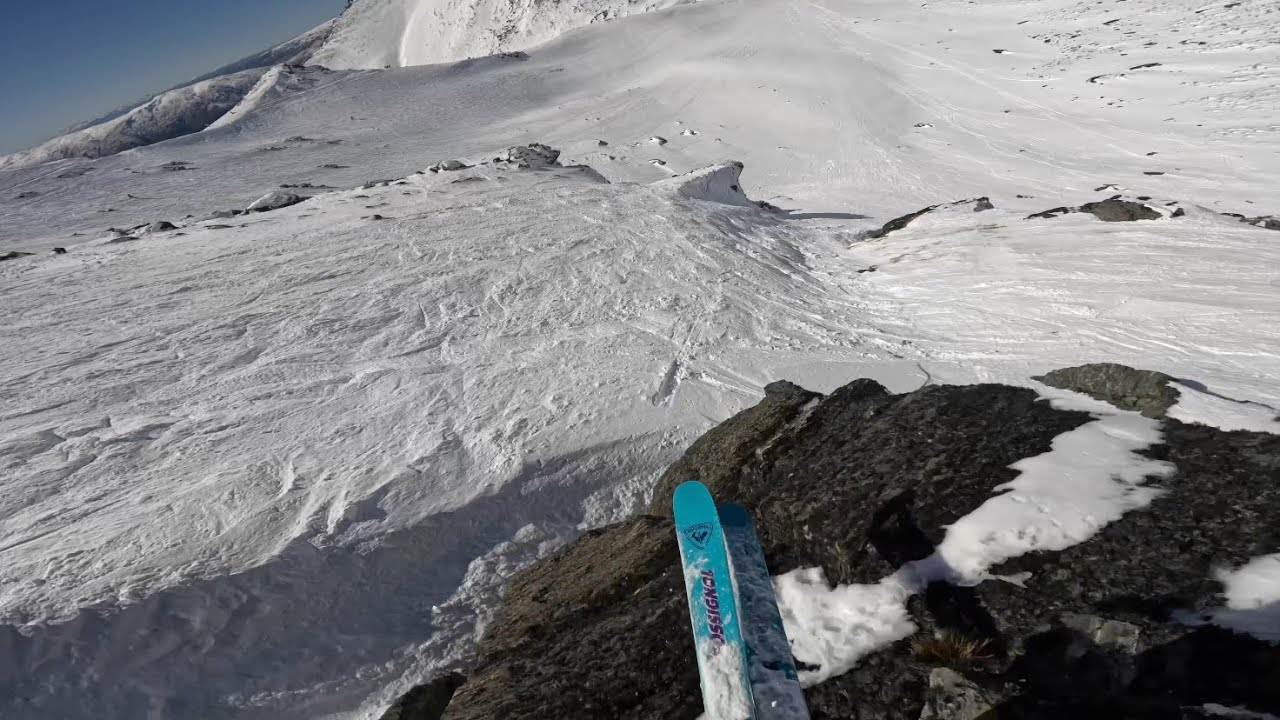
Zakowski’s kit mirrors his priorities. As a Pret Helmets athlete, he emphasizes low-drama protection that disappears in use, and his outerwear choices with Flylow Gear lean toward weatherproof mobility for long days in variable conditions. In New Zealand seasons he has ridden Rossignol freeride setups—predictable platforms that reward centered landings and measured takeoffs. For progressing skiers the lesson is category fit over model names: choose a versatile freeride ski you can steer from the middle, keep bases fast so cadence doesn’t depend on perfect snow, detune just enough to avoid hookiness in refrozen features, and treat every slash or grab as a control input rather than decoration.
Why fans and progressing skiers care
Henry Zakowski matters because he turns everyday freeride into a blueprint. Challenger credentials and a Queenstown podium prove the ceiling, but the real value is how his skiing reads at normal speed on the same resorts many of us ride. If you want to learn what “good decisions” look like when conditions aren’t perfect, watch his Wasatch laps and Remarkables clips: early commitments, landings that keep momentum alive, and lines that hold their shape all the way to the outrun.