Trollhaugen
Wisconsin
United States
Wisconsin ski area in the St. Croix River Valley | Known for: 30 runs, 280 foot vertical, three terrain parks, full night skiing, Late Night Fridays to 3 AM, and Twin Cities park culture | Season: winter operations with full snowmaking | Best for: Midwest park laps, night sessions, rope tow repetition, NASTAR racing, and local progression
Dresser Laps On The Minnesota Wisconsin Border
Trollhaugen sits at 2232 100th Avenue in Dresser, Wisconsin, close enough to the Twin Cities that it functions like a Minnesota metro hill even though it is across the state line. The official trail map lists 30 runs, 80 skiable acres, 280 feet of vertical, and a 2500 foot longest run. Those numbers are small by mountain-resort standards, but Trollhaugen’s importance is not built on altitude. It comes from repetition, terrain parks, night skiing, and a local culture that treats short Midwest laps as serious training time. The hill is compact, lit, fully covered by snowmaking, and designed for people who ride often rather than only during destination trips.
Thirty Runs In A Short Vertical Footprint
The official terrain split gives Trollhaugen more balance than a beginner-only hill: 29 percent beginner, 43 percent intermediate, and 28 percent advanced. That mix is useful for local progression. New skiers can start on easier terrain, intermediates can work clean edge control, and stronger riders can use the advanced pitches for short, fast laps when the surface is firm. The 280 foot vertical means no run lasts long, but that is also the point. Midwest skill development often happens through high-frequency repetition. A skier can lap the same pitch, rail, roller, or NASTAR line many times in one evening and make small adjustments every run. Trollhaugen turns limited terrain into a dense practice environment.
Valhalla Tomte Valgrind And Guttenhaugen
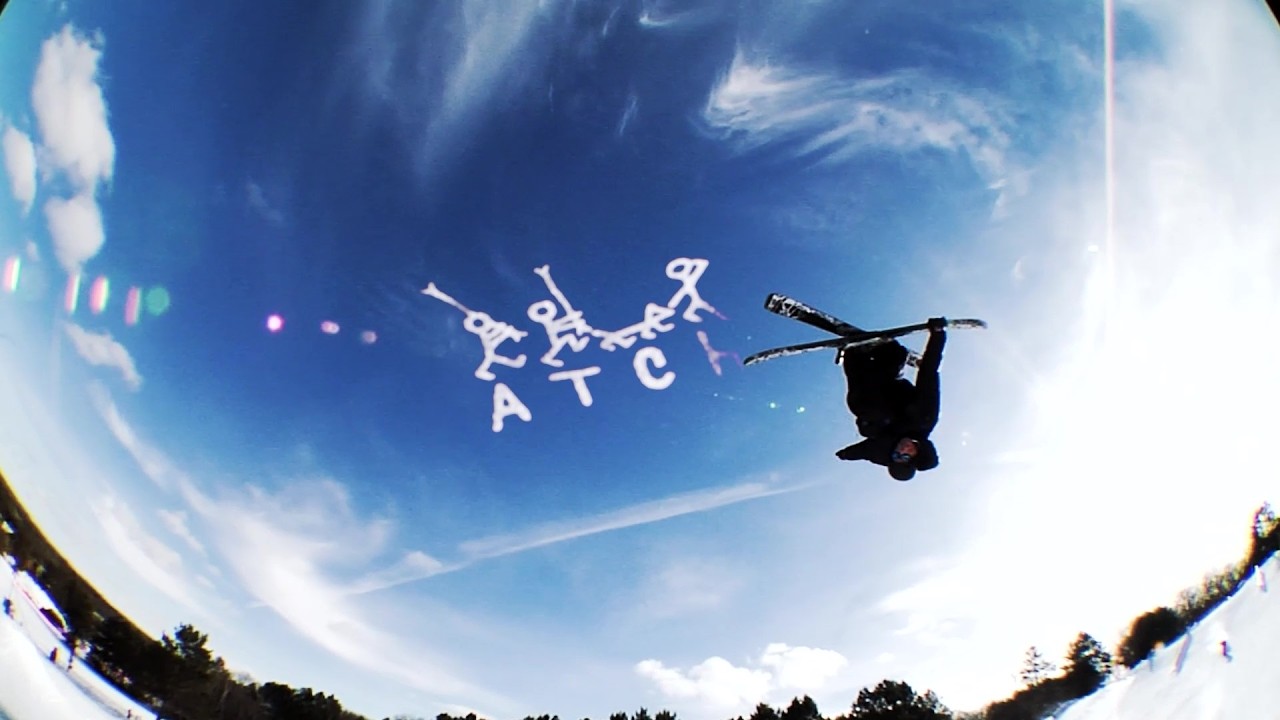
The park program is the main reason Trollhaugen deserves a 3 level profile. The official trail map lists three terrain parks, while the current park report names Valhalla as the large park, Tomte as the medium park, Valgrind as the flow park, and Guttenhaugen as the mini park. That gives the hill a clear freestyle ladder rather than one token box near a beginner slope. Guttenhaugen works for first park movements and low-consequence confidence. Valgrind adds flow and rhythm. Tomte gives medium-feature progression, and Valhalla carries the more serious park identity. For freeskiers, this structure matters because park skiing is built in steps: approach speed, stance, pop, slide control, landing awareness, and only then larger features.
Late Night Fridays To Three AM
Late Night Fridays are the signature Trollhaugen session. The official 2025-26 page lists lift tickets from 9 PM to 3 AM, with online pre-purchase required and limited capacity. That schedule gives the hill one of the most distinctive night-ski identities in the Midwest. A normal ski area closing time does not create the same culture as a 3 AM rope tow, park lap, or cold groomer session. For local riders, those late hours become social, technical, and creative at the same time. People are not just skiing after dark; they are building tricks, filming clips, riding with friends, and turning a small Wisconsin hill into a winter-night gathering place.
One Hundred Percent Snowmaking And Grooming
Trollhaugen’s ski product depends on infrastructure. The official map lists 100 percent snowmaking, 100 percent grooming, and 100 percent night skiing. In the St. Croix River Valley, that matters more than natural snowfall totals. Cold windows allow the hill to build and refresh coverage, while grooming resets surfaces for lessons, racing, park approaches, and evening traffic. The snow can still change quickly. Midwest freeze thaw cycles can create firm groomers, fast takeoffs, scraped landings, and icy merges. That is why tuned edges and surface awareness matter here. Trollhaugen is not dangerous because it is huge. It becomes technical because small terrain concentrates riders, speed, features, and lighting into a tight footprint.
NASTAR Runs And Minnesota Wisconsin Race Energy
Racing gives Trollhaugen another layer beyond park culture. The official NASTAR page lists weekend sessions from 11 AM to 2 PM and calls Troll a top spot for NASTAR racers from Minnesota and Wisconsin. That race layer is useful for freeskiers too. Strong park riders still need edge control, timing, pressure, and confidence at speed. NASTAR laps help develop those foundations on a short hill where mistakes are easy to repeat and correct. The race program also strengthens the community pattern. One skier may be chasing gates in the afternoon, then riding park under lights that evening. That overlap between race discipline and freestyle creativity is a classic Midwest hill feature.
Since Nineteen Fifty In The St. Croix River Valley
Travel Wisconsin describes Trollhaugen as a true mom-and-pop resort delivering winter fun since 1950, located in the St. Croix River Valley near the Wisconsin Minnesota border. It also lists four chairlifts and four rope tows, which matches the hill’s practical, old-school profile. The rope tow element matters because park culture often grows fastest where lap time is short. A chairlift gives full-hill access, but a tow can turn one feature line into a focused training loop. That is why Trollhaugen feels more important than its vertical suggests. Its age, family-style identity, late-night habit, and park layout have created a hill that riders talk about as a scene, not only as a facility.
Hyland Buck Hill And The Twin Cities Park Triangle
Trollhaugen fits naturally into the wider Twin Cities progression network. Hyland Hills is the Bloomington park and program engine, with a dense metro-hill identity. Buck Hill adds race heritage, compact park laps, and south-metro access. Elm Creek Winter Recreation Area fills the smaller beginner and low-consequence progression role. Trollhaugen sits just outside that Minnesota core, but its Late Night Fridays and park reputation give it a different flavor. It feels less like a municipal training hill and more like a cross-border night-riding ritual. For local freeskiers, the appeal is not choosing one hill forever. It is using each small hill for a different type of repetition.
Summer Ropes And All Season Hill Use
The “Outdoor Recreation Area” name is not just winter branding. Trollhaugen also promotes tubing, adventure park activity, events, and off-season use, which helps the property stay visible outside ski season. That all-season structure matters because small Midwest ski areas survive by doing more than selling lift tickets for a few winter months. For a freeski article, the winter identity still leads: parks, night skiing, racing, snowmaking, and local laps. But the year-round model helps explain why the hill keeps its community role. Families may first arrive for tubing or summer activities, then return for lessons, park sessions, or late-night skiing once winter starts. That cross-season familiarity builds loyalty.
Park Etiquette On A Small Hill With Big Traffic
Trollhaugen’s Smart Style language should be taken seriously. The official park page emphasizes starting small, making a plan, looking before dropping, respecting features and other users, and staying within limits. On a compact hill, those rules are not abstract. A slow skier, a race kid, a park rider, and a late-night crew can all be using nearby terrain at the same time. Riders should inspect Valhalla, Tomte, Valgrind, and Guttenhaugen before committing, especially after rebuilds, cold nights, or heavy traffic. Landings need to be cleared quickly. Rope tow queues work best when people stay predictable. The hill’s energy is strongest when everyone understands that short laps do not mean low responsibility.
Why Trollhaugen Matters For Freeskiers
Trollhaugen earns a 3 level profile because its cultural and freestyle value is larger than its physical scale. The facts are modest but sharp: 30 runs, 280 feet of vertical, 80 acres, a 2500 foot longest run, full snowmaking, full grooming, full night skiing, three terrain parks in the official stats, named park zones from mini to large, NASTAR weekends, and Late Night Fridays running to 3 AM. It is not a powder destination, not a freeride venue, and not a major national contest resort. Its value is more specific. Trollhaugen gives Midwest skiers a place to learn fast, ride late, lap parks, race gates, and turn a short Wisconsin hill into one of the most recognizable progression spots near the Twin Cities.