SURFACE SKIS
United States
American freeski brand | Started around 2003 to 2004 in the Salt Lake City area | Known for: park skis, street focused shapes, bold graphics and 3 Stage Rocker history | Focus: durable twin tips built for rails, jibs, presses, butters and creative freeski culture
Salt Lake City beginnings and a different vision for freeskiing
Surface Skis is an independent American ski brand with roots in the Salt Lake City area. The brand was started around 2003 to 2004 by Mike Schneider, a Utah board shop owner who wanted skis that looked and felt different from the more conventional shapes and graphics of the early freeski market. That origin matters because Surface should not be framed as a race company, resort brand or outerwear label. It is a ski manufacturer shaped by park, street, graphics, rider crews and the independent side of freeskiing.
3 Stage Rocker and the broken ski look that became a signature
One of the most memorable Surface ideas was its 3 Stage Rocker. The shape used a visible kinked rocker profile that could look strange enough for people to mistake it for a broken ski. That was part of the point. Surface built identity through shapes and art that challenged what park skis were expected to look like. The early rocker experiments gave the brand a visual and technical reputation even when it was still operating as a smaller independent name against much larger ski companies.
Pinner Goner Reaper and a modern park first lineup
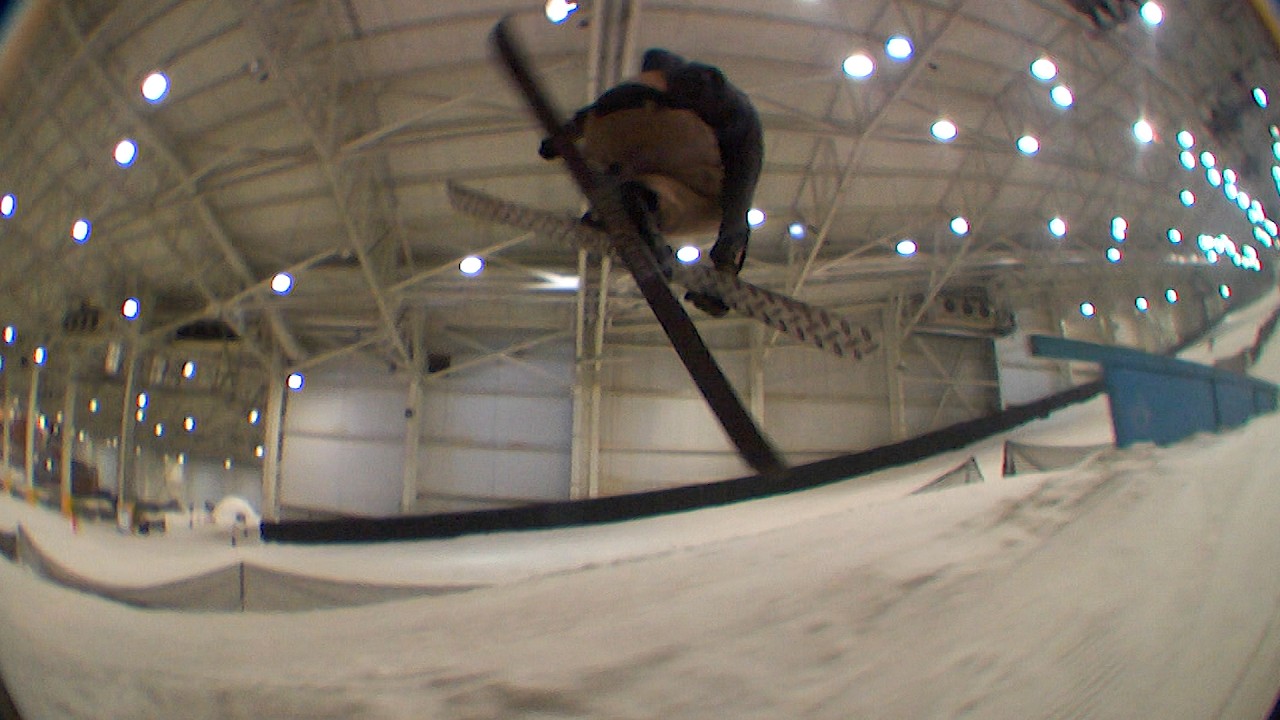
The current Surface lineup keeps the focus on twin tip skis for park, street and all mountain freestyle. The Pinner is presented with a full poplar wood core, low profile camber underfoot, early rise in the tip and tail, ABS sidewalls, double wide steel edges, edgeless tips, a sintered base and a textured topsheet. The Goner is described as a premium rail and jib ski with the softest flex Surface has made, using a symmetrical shape for presses, jibs and daily feature abuse. The Reaper pushes wider, with a 100 millimeter waist and a more all mountain and park hybrid feel. Together, these models show the brand’s current direction: simple, durable, park focused skis rather than broad race, touring or rental categories.
Built for streets rails and riders who break gear honestly
Surface’s modern product language is built around durability. Double wide steel edges, ABS sidewalls, edgeless tips and poplar cores are not exotic claims, but they are relevant to the way street and park skiers actually destroy equipment. A street ski may hit rails, concrete, stair sets, rough landings, icy transitions and hand-built run-ins. A park ski may survive hundreds of takeoffs, nose presses, switch landings and missed rail exits. Surface is strongest when understood through that environment. The brand is not trying to make the lightest touring ski or the stiffest big mountain charger. It is making skis for riders who want a playful platform that can handle repeated feature impact.
Adrian DiPietra and the new Surface team layer
The current Surface team gives the brand a real contemporary footprint. Its 2025 roster includes skiers such as Harald Hellström, Mainio Ormio, Tereza Korábová, Willy Griffith, Tom Galarneau, Will Penrose, Laura Wallner, Mitch Zyzlewski, Simon Geminiani, Kellan Baker, Jacques Summermatter, Mike Kennedy and Adrian DiPietra. That mix connects Surface to young park progression, rail clips, international riders and developing contest or video profiles. DiPietra is a useful example because his Skipowd profile already links Surface to Park City slopestyle development and brand backed park footage. The brand’s team is not built like a traditional Olympic hardgoods roster. It feels closer to a culture network where edits, sessions and street clips matter as much as podiums.
Joystick poles and the accessory side of the Surface family
Surface also has a meaningful connection to JOYSTICK, the freeski accessory brand originally launched as Joystick Skiing and later brought into the Surface family. That relationship makes sense because Joystick occupies the same freestyle ecosystem: poles, goggles, mitts, softgoods and practical rider driven accessories for park and street skiing. Surface skis and Joystick poles belong naturally in the same visual world. Both speak to skiers who value graphics, simple gear, crew identity and everyday durability more than polished alpine race language.
Utah park culture and the Brighton style of repetition
Surface’s Utah roots place it close to one of North America’s strongest freestyle regions. Brighton Resort is a good example of the kind of mountain culture that makes a brand like Surface understandable: park laps, night sessions, local crews, rails, storm days and repeated progression rather than one luxury destination trip. Surface does not need to be tied to one home resort to feel credible, but its Salt Lake City area origin matters. The Wasatch gives skiers fast access to terrain, parks, snow, streets and filming possibilities, which is exactly the mix that shapes a durable park and street ski brand.
Choosing Surface by flex width and feature focus
The right Surface ski should be chosen by riding style. A rail focused skier who wants soft flex and symmetry should look toward a model like the Goner. A younger or lighter park skier may find the Pinner or Pinner JR more appropriate depending on size. A skier who wants park laps but also needs more stability outside the feature line may prefer the Reaper, especially with its 100 millimeter waist and all mountain park hybrid identity. Surface is not the obvious choice for a skier whose main goals are hard snow carving, alpine racing or long touring days. It is strongest for riders who want twin tip playfulness, pressability, durable edges and a visual identity rooted in freeski culture.
Why Surface still matters as an independent freeski brand
Surface Skis earns a 3/5 importance score because it is an established niche ski brand with more than two decades of cultural history, a distinctive rocker legacy, a current park and street focused product line and a broad rider roster. It does not have the global scale of the largest ski manufacturers, and it should not be inflated into a mainstream all mountain giant. Its importance is more specific. Surface represents the independent freeski lane: bold graphics, strange shapes, durable twin tips, underground riders, rail missions and the idea that skis can still feel personal, weird and culture driven. For Skipowd.tv, that makes Surface a valuable sponsor profile because it connects equipment directly to the creative street and park skiing that appears across modern video edits.