Stoneham Mountain Resort
Québec
Canada
Overview and significance
Stoneham Mountain Resort, officially branded as Stoneham, is a four-mountain ski area about twenty minutes north of Quebec City in Stoneham-et-Tewkesbury, Quebec. Owned by Resorts of the Canadian Rockies, it has grown into one of eastern Canada’s most important freestyle and night-skiing hubs. The resort rises from a base around 248 metres above sea level to a summit of 593 metres, delivering a vertical drop of 345 metres across 43 marked trails and 135 hectares of skiable terrain. On paper those numbers place Stoneham in the mid-sized category, but the combination of four distinct mountain faces, a large lit network, and a heavyweight park program gives it an outsized impact on the freeski scene.
Stoneham’s headline stats are tailor-made for riders who like to stay busy: three full terrain parks, an Olympic-sized halfpipe structure, and what the resort promotes as the largest night-skiing network in Canada, with 19 trails lit after dark. Natural snowfall in a typical winter averages around 430 centimetres, backed up by snowmaking that covers more than eighty percent of the skiable terrain. The result is a mountain that can host international slopestyle World Cups one week and still feel welcoming to local families and first-time park riders the next.
Because it sits so close to Quebec City, Stoneham occupies a sweet spot between destination resort and local training ground. Traveling skiers can pair days on the hill with nights in the historic city centre, while local crews treat the resort as their weekday park and night-lap playground. That dual identity, supported by serious infrastructure and recurring high-level contests, makes Stoneham a reference point for slopestyle and halfpipe skiing in eastern North America.
Terrain, snow, and seasons
The ski area is spread across four mountains that roll away from the base area in a broad horseshoe. Elevation changes are modest by big-mountain standards, but the terrain is efficiently carved into a mix of fall-line groomers, mogul lines, glades, and park zones. Official trail stats list 43 runs for daytime skiing and 19 runs available at night, with an overall mix that leans toward intermediate and advanced skiers while still preserving a generous share of green trails for learners. The longest run, La Randonnée, stretches for about 3.2 kilometres from higher elevations down to the valley floor, offering a full leg-burner when groomed top to bottom.
Stoneham’s climate is classic Quebec: cold enough for dependable midwinter snow, with frequent refreshes as storms sweep in from the Saint Lawrence and surrounding ranges. The resort reports roughly 430 centimetres of natural snowfall in an average season, which is then reinforced by a modern snowmaking network that covers about 86 percent of the skiable surface. That combination allows Stoneham to open early, maintain consistent coverage on key arteries, and keep the parks and night-skiing corridors in shape even through thaws and freezing rain cycles that occasionally hit the region.
Snow quality varies with the weather pattern. In the heart of winter, the snowpack tends to be dry and grippy, ideal for carving and takeoffs in the park, while colder storm cycles can bring legitimate powder days on steeper pitches and in the woods. During transitional periods, surfaces can shift quickly from soft to firm, especially after rain or warm spells followed by a freeze, so edges and tuning matter. Grooming teams focus on the high-traffic blues and greens radiating from the main lifts, leaving selected black runs and ungroomed pockets to form bumps or hold chalky snow for more advanced skiers.
Park infrastructure and events
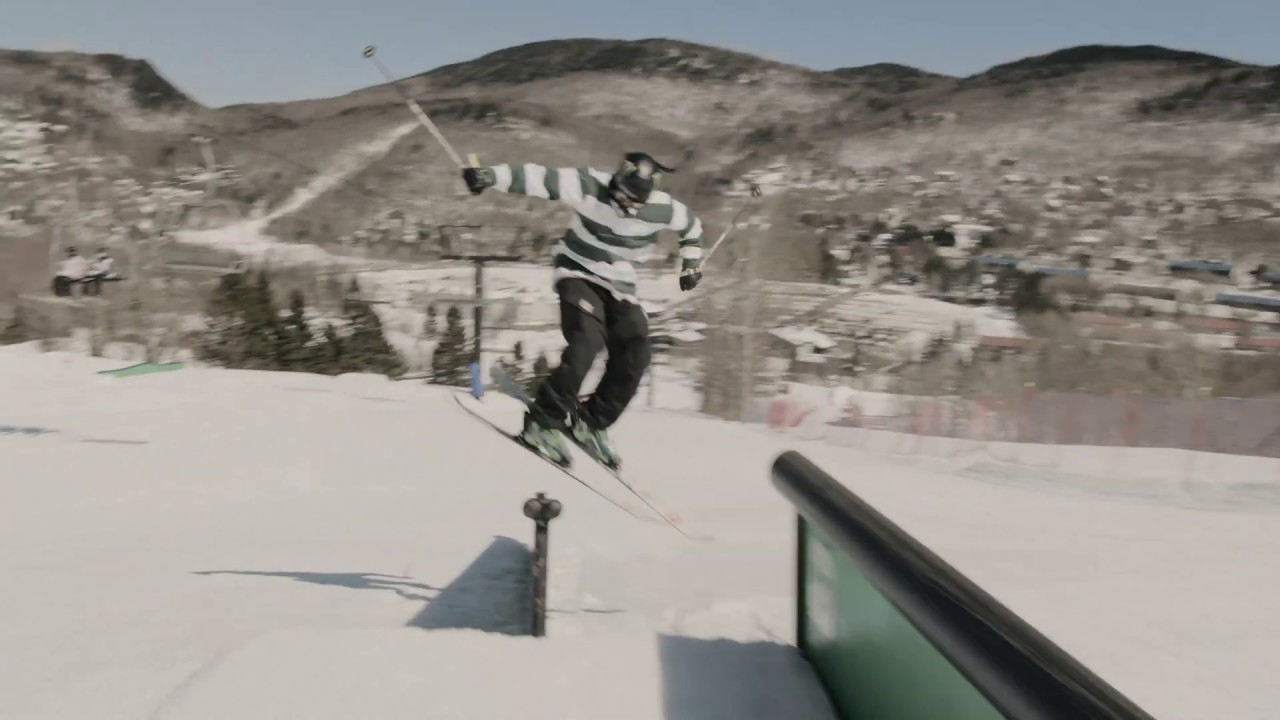
Freestyle terrain is where Stoneham truly stands out. The resort typically operates three dedicated terrain parks plus a permanent XL zone and halfpipe along the La Tempête Express lift. A progression-oriented beginner park sits on an easy slope close to the base area, with small rails, boxes, and approachable jumps that let new park riders learn basic slides and airs in a low-consequence environment. From there, intermediates graduate to a mid-sized slopestyle park, with linked lines of medium features that encourage smooth flow and dialed-in speed control.
At the top of the ladder is the Parc XL and Olympic-calibre superpipe, which have helped Stoneham earn top ratings from independent testers and a reputation as one of Quebec’s premier freestyle venues. The pipe is built to modern competition dimensions, and the XL park features large jumps, technical rails, and creative jib features designed with advanced riders and professional athletes in mind. Park crews refresh setups regularly through the season, adjusting line difficulty and feature shapes to match snowpack, upcoming events, and rider feedback.
Stoneham’s park infrastructure underpins a busy competition calendar. The resort has a long history with FIS-level freestyle events and continues to welcome elite athletes for slopestyle and big air contests. The Stoneham StepUp Slopestyle World Cup, highlighted on Freestyle Canada’s official site, brings a full week of FIS Freeski Slopestyle World Cup action to the mountain, with training, qualifications, and finals all staged in the XL park. Regional events like the Open Parc Stoneham series give younger skiers a pathway into formal competition under the Freestylerz and ACRO CAN development programs. Taken together, this schedule means that the same features freeskiers lap on a Tuesday night may host world-class runs later in the season.
Access, logistics, and on-mountain flow
From a logistics standpoint, Stoneham is exceptionally convenient. The base area sits roughly 27 kilometres north of Quebec City, an easy drive on Highway 73 followed by a short access road to the resort’s address on chemin du Hibou. Visitors flying in use Québec City Jean Lesage International Airport, then either rent a car or arrange shuttle transport, reaching the resort in less than an hour under normal winter conditions. For riders staying in the city, day trips are straightforward, and many locals slot Stoneham laps around work or study schedules thanks to generous evening hours.
The lift system consists of four quad chairlifts, including high-speed detachable quads, plus additional surface lifts and beginner conveyors. This network is designed to move skiers efficiently from the base to multiple aspects without long traverses or flat sections, an advantage for snowboarders and park-focused freeskiers who want to minimise downtime between laps. The main base area brings ticketing, rental, ski school, accommodation, and food and beverage together within walking distance, while parking areas are laid out along the access road with shuttle connections on busy days.
On-mountain flow is intuitive once you understand the layout of the four mountains. One set of lifts feeds primarily intermediate groomers and night-skiing routes, another serves steeper blacks and glades, and La Tempête Express acts as the park and halfpipe artery. This makes it easy to build a day around your priorities: families can stay near the learning zones and easier blues, freeriders can hunt steeper lines and trees, and dedicated park riders can spend hours cycling the freestyle pod without criss-crossing the entire hill. Night lighting covers a large proportion of the mountain, so many of these options remain available after sunset.
Local culture, safety, and etiquette
Stoneham’s culture reflects its dual identity as both a local hill and an international contest venue. On any given weekend you might see ski school groups sharing the hill with provincial team athletes or visiting World Cup competitors inspecting lines in the XL park. Despite that performance focus, the atmosphere in the base area stays relaxed and distinctly Quebecois: French is the dominant language, but staff are used to serving bilingual guests, and the après scene ranges from casual bar snacks to more substantial meals in the on-site hotel and restaurants.
Safety is anchored in the standard alpine responsibility code, backed up by clear signage and a visible patrol presence. The resort’s park and halfpipe terrain are treated as advanced zones, with mandatory helmet use strongly encouraged and posted Park Smart guidelines reminding riders to start small, inspect features, call their drops, and clear landings quickly. During event periods, sections of the XL park may be closed to the public while build crews shape competition features; respecting closures and staying out of work areas is essential for everyone’s safety.
Weather is the main environmental factor to respect. Quebec winters can be brutally cold, especially at night and in exposed locations near the ridge lines. Layering properly, keeping skin covered, and taking regular warm-up breaks inside the lodge are simple but important habits. On firmer days, sharp edges and appropriate speed control will make the difference between secure carves and slides, particularly when traffic has polished steep pitches or park in-runs. As with any resort adjacent to forest and off-piste zones, skiers should obey boundary markings and avoid ducking ropes into unpatrolled terrain.
Best time to go and how to plan
Stoneham’s lift-served winter season typically runs from early December into April, depending on temperatures and snowfall. For freeskiers who prioritise park and pipe, the sweet spot is usually mid-January through early March, when the snowpack is deep, features are fully built, and cold temperatures preserve takeoff and landing shapes. This is also when many of the marquee park events and regional contests are scheduled, so checking the events page on the official resort site before booking can help you align your trip with a slopestyle or halfpipe competition.
Those who care more about softer snow and longer daylight hours might target late February and March, when sun and warmer days start to soften south-facing slopes and create springlike riding conditions without sacrificing too much coverage. Night-skiing remains a huge draw throughout the core season; for visitors, it is worth planning one or two evenings specifically for night laps to experience the resort’s lit terrain and parks in their signature environment.
In terms of lodging, you can stay slopeside at the on-mountain hotel and condos or base yourself in Quebec City and commute. Staying in town opens up a much wider range of dining and nightlife, plus the possibility of mixing in urban exploration or street sessions when conditions and local regulations allow. Day tickets, multi-day products, and various pass options are all sold directly by the resort, and online purchase is typically the easiest way to secure the best rates and avoid queues at the ticket window on busy weekends and holidays.
Why freeskiers care
Freeskiers care about Stoneham because it combines big-league freestyle infrastructure with the accessibility and vibe of a city-adjacent local hill. Three parks, an Olympic-standard halfpipe, and one of Canada’s strongest night-skiing networks mean you can stack an enormous number of laps in a single session, whether you are learning your first rail slide or fine-tuning a comp run. The fact that FIS World Cup slopestyle events and major national contests are staged on the same lines riders use every week adds an extra layer of motivation and legitimacy.
At the same time, Stoneham is not a one-dimensional park factory. Long groomers, varied terrain across four mountains, winter-storm powder days, and a warm, distinctly Quebecois culture make it a complete destination for mixed crews. You can travel with friends or family who prefer carving, glades, or ski school, and still disappear to the La Tempête pod for serious park sessions. With easy access from Quebec City, modern infrastructure, and an enduring commitment to freestyle progression, Stoneham Mountain Resort has earned its reputation as a pillar of the eastern Canadian freeski landscape.