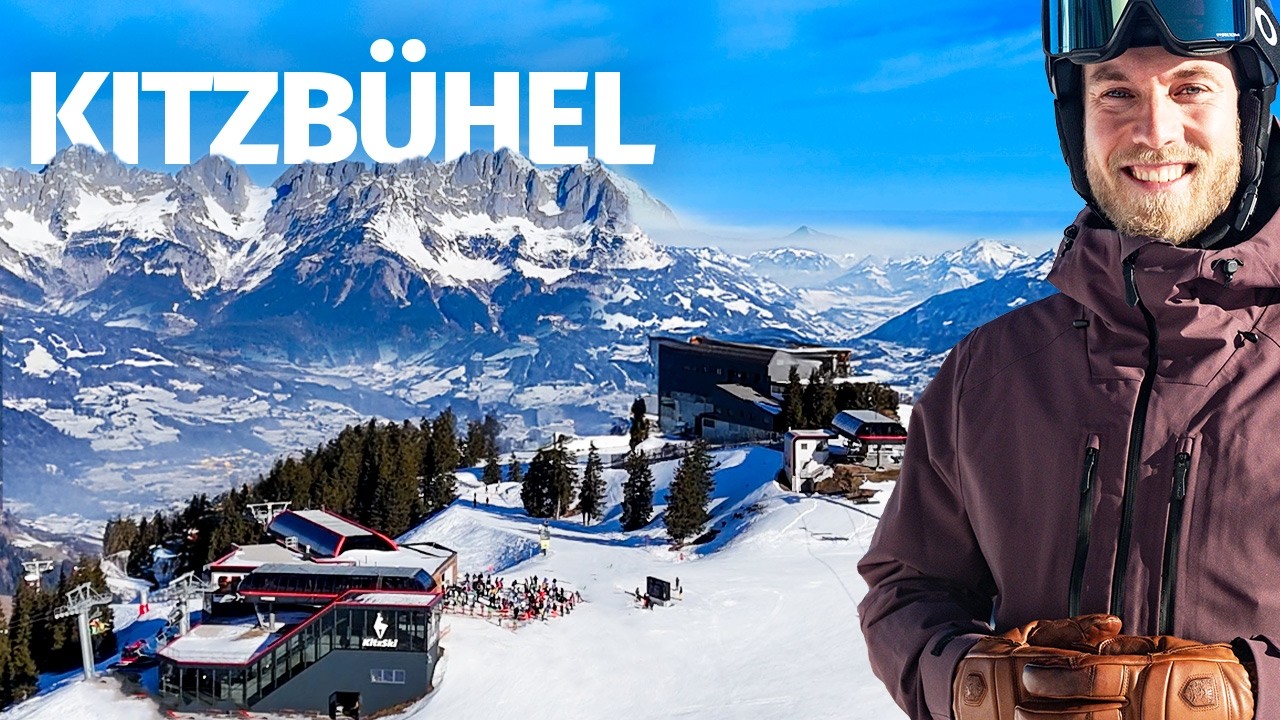
Kitzbühel
Alps
Austria
Overview and significance
Kitzbühel is one of the most recognisable ski towns on the planet, a medieval Tyrolean settlement turned upscale mountain hub, set at around 800 metres in western Austria. The surrounding KitzSki area spreads from the town and neighbouring villages such as Kirchberg and Jochberg up to ridgelines just below 2,000 metres, with around 233 kilometres of pistes, 96 marked runs and close to 60 lifts linking multiple valleys. The terrain is split between the main Hahnenkamm–Pengelstein–Resterhöhe network to the south-west and the separate Kitzbüheler Horn area to the north-east, giving you a surprisingly large playground for what looks on the map like a mid-altitude resort.
What truly made Kitzbühel famous is racing. Since 1931, it has hosted the Hahnenkamm Races, one of the most prestigious stops on the FIS Alpine Ski World Cup. The Streif downhill course, dropping roughly 860 metres over 3.3 kilometres with maximum gradients around 85 percent and speeds that can approach 150 km/h, is widely regarded as one of the toughest tracks in the world. Away from race week, the same mountains are open to the public, with the Streif and its easier “family” variant both marked as regular runs when conditions allow.
For freeskiers, Kitzbühel is not just about straight race lines. The KitzSki Snowpark at Hanglalm, additional freestyle areas on the Kitzbüheler Horn, and long off-piste itineraries around Bichlalm, Pengelstein and Steinbergkogel add a modern park and freeride layer to the traditional piste and race culture. Combined with its location in the broader Kitzbühel Alps, the resort offers a mix of fast groomers, playful side hits, funpark laps and accessible powder that fits naturally into the skipowd.tv map of Austrian destinations like Austria’s other headline resorts.
Terrain, snow, and seasons
The KitzSki terrain unfolds over rolling, forested mountains rather than sharp glaciated peaks. On the main south-west side, gondolas from Kitzbühel, Kirchberg and Jochberg rise toward Hahnenkamm, Ehrenbachhöhe, Pengelstein and Resterhöhe, forming a continuous network of pistes between roughly 800 and 2,000 metres. The north-east Kitzbüheler Horn is a self-contained sector above the town, accessed by its own lifts and offering open, sunny slopes with excellent views back toward the main ski area.
Official figures highlight 233 kilometres of slopes and 58 lifts, with the piste mix skewing strongly toward intermediates. There are dozens of blue and red runs flowing along ridges and across open meadows, with enough gradient to keep advanced riders entertained and enough width to make them forgiving for less experienced skiers. Black pistes, including the race routes, bring real steepness where it matters: short, intense pitches, compressions and rollers that will feel familiar from World Cup broadcasts once you drop in yourself.
While the absolute altitude is moderate compared with high-Alpine glaciers, snow reliability is better than the numbers suggest. The Kitzbühel valley benefits from a favourable microclimate, and modern snowmaking covers key links and lower sections extensively. The ski area typically operates from around late November or mid-December into April, with many seasons delivering a continuous mid-winter window of cold, dry snow between about Christmas and late March. Upper slopes and shaded aspects preserve winter surfaces well, while sunny benches soften into easy, carveable snow on clear afternoons.
For freeriders, the appeal lies in the combination of official ski routes and easily accessed off-piste between lifts. Around Bichlalm, Pengelstein, Steinbergkogel and the higher ridges near Pass Thurn, you find marked but ungroomed ski routes and numerous lines that, in good conditions, offer powder turns through trees and open bowls. The topography is more about rolling ridgelines and glades than huge alpine faces, but that makes it ideal for playful, lower-consequence powder laps and exploring natural features without committing to very exposed terrain.
Park infrastructure and events
Freestyle in Kitzbühel centres on the KitzSki Snowpark Hanglalm near Pass Thurn. Designed and shaped by dedicated park crews, this park features up to 37 obstacles in a typical winter, ranging from classic kicker lines to professional-level jibs and technical rails, plus beginner and kids’ areas. The idea is to create a true playground where first-time park riders and experienced freestylers can share the same slope on different lines.
The park is structured with progression in mind. At the easy end, you have low, wide boxes, small jumps and rollers that let riders find their balance, work on basic slides and practise straight airs or small spins without needing high speed. As you move into the main lines, the build becomes more serious: medium to larger tabletops, multi-jib features, kinked rails, wallrides and creative hips laid out to encourage flowing, slopestyle-style runs. Because the park is served by nearby lifts and lies on a naturally consistent pitch, it is easy to rack up a high number of laps in a single session.
Kitzbühel backs up Hanglalm with additional freestyle zones. The Kitzbüheler Horn has its own park and snowcross area, and across the wider KitzSki area there are three snowparks, funslopes and fun areas in total. Skillparks with big air bags and small progression lines help bridge the gap between pure piste skiing and the main park. While Kitzbühel is not a regular stage for elite slopestyle World Cups, it does host rail jams, junior freestyle events and photo shoots, and the visibility from nearby lifts ensures that the park scene feels like a visible, integrated part of the resort rather than a niche side project.
Access, logistics, and on-mountain flow
Kitzbühel’s accessibility is one of its major advantages. The town sits in Tyrol, east of Innsbruck and within reach of major airports at Innsbruck, Salzburg and Munich. It has several train stations, including Kitzbühel Hahnenkamm directly at the base of the main gondola, and strong public transport links throughout the Kitzbühel Alps region. That means you can arrive by plane, transfer by train, and walk to your accommodation and lifts without needing a car, or drive in and park near base stations if you prefer.
Once in resort, movement is straightforward. From the Hahnenkamm gondola you access the Streif and a web of pistes feeding back toward Kitzbühel and Kirchberg. The Fleckalmbahn and lifts from Kirchberg plug you directly into Ehrenbachhöhe and the central ridge, while Jochberg and Pass Thurn provide entry on the southern edge of the system. The Kitzbüheler Horn, while separate from the main network, is easily reached by ski bus or a short drive and provides a change of scenery and exposure.
On-mountain flow rewards a bit of planning. Strong skiers often start on the Hahnenkamm side, lapping race pistes or working variations of the Streif family route before crowds build. From there you can push deeper, traversing toward Pengelstein and Resterhöhe for long, linked circuits that drop into different valleys before looping back. Park-focused riders usually target Hanglalm or the Horn’s freestyle zones, using lifts that allow rapid repeats. Because the area is broad and some key links are relatively low, keeping an eye on last-lift times and checking the daily lift and slope status is important, especially if you plan to roam all the way toward Pass Thurn or combine multiple sectors in a single day.
Local culture, safety, and etiquette
Kitzbühel’s town culture is one of its strongest draws. The historic centre, with painted facades and narrow pedestrian streets, feels more like a small city than a typical purpose-built resort. High-end hotels, boutiques, and fine dining sit alongside traditional Gasthöfe, cafés and bars, and the calendar is packed with non-ski events such as the Snow Polo World Cup and year-round lifestyle festivals. The overall vibe is “sport and lifestyle”: you can spend the day skiing hard, then wander a medieval centre that still feels lived-in and local despite its luxury edge.
On-slope safety starts with understanding that Kitzbühel combines very gentle beginner zones and some of the world’s most challenging race terrain. The Streif in particular demands respect. While the public version is toned down compared with race day, it still includes steep pitches, compressions, blind rollers and potentially firm surfaces. Many skiers choose to follow the marked “family Streif” to bypass the gnarliest sections on their first go. Standard alpine responsibility rules apply everywhere: control your speed, give way to those downhill, and respect slow zones and closed signs, especially near lift bases and learning areas.
Freeride and park skiing add their own risk layers. Off-piste, avalanche danger can exist even on relatively modest-looking slopes, particularly after heavy snow or wind. If you plan to leave the groomed piste network or ski marked routes in variable conditions, travelling with avalanche transceiver, shovel and probe, plus partners who know how to use them, is essential. Hiring a local guide is a smart move if you want to explore Bichlalm or more remote lines. In the parks and fun areas, Park Smart principles are key: inspect features first, call your drop clearly, and clear landings quickly so other riders can follow safely. Helmets are the norm, especially among locals and younger riders.
Best time to go and how to plan
Kitzbühel’s ski season typically stretches from late November or early December into April, with exact dates depending on snow and operations. For most freeskiers, the prime window runs roughly from early January through late March. In this period, the base is usually well established across the area, temperatures stay cold enough for consistent surfaces, and storms intersperse with clear days, allowing both powder hunting and long carving laps.
January is a good choice if you value quieter slopes and colder, grippier snow, though some early-season race preparations can temporarily affect certain pistes. Late January around Hahnenkamm race week brings a unique atmosphere: extra crowds, grandstands, and a festival feel centred on the Streif. If you are willing to embrace the spectacle—ski by day, watch racing, then enjoy town in the evening—it can be an unforgettable time to visit. February is busier with holiday traffic but often delivers frequent snowfalls, while March offers longer days, softer afternoon snow on south-facing runs and excellent park conditions at Hanglalm and on the Horn.
Planning starts with choosing where to stay and how widely you want to ski. Lodging in Kitzbühel town gives you direct access to the Hahnenkamm lifts and the medieval centre’s nightlife and dining. Kirchberg and Jochberg offer quieter bases with quick access to the same terrain, sometimes at lower prices. If freestyle is a priority, it can be convenient to stay on the Pass Thurn side or ensure you have easy access to the lifts feeding Hanglalm and the other park zones. Rail access and the free ski bus network make it realistic to visit without a car, but drivers should be ready for winter roads and check parking arrangements at their accommodation and chosen base lifts. Booking early is essential over race week and main holiday periods.
Why freeskiers care
Freeskiers care about Kitzbühel because it blends race heritage, varied resort terrain, modern parks and accessible freeride into one coherent package. You can carve legendary pistes like the Streif, spend an afternoon threading creative lines through the KitzSki Snowpark Hanglalm, then finish with a rolling powder route off a ridge toward a quiet valley restaurant. The vertical may not be as extreme as some high-Alpine giants, but the mileage and variety are immense, and the combination of trees, meadows and ridges makes the whole area feel like a natural playground.
There is also the cultural dimension. Riding in Kitzbühel connects you directly to almost a century of ski history: you are slashing turns on the same mountains that define World Cup downhill and watching race week unfold in a town that fully embraces sport. For the skipowd.tv audience, that mix of heritage, everyday skiability, park options and low-key freeride potential makes Kitzbühel a key stop in any Austrian itinerary—a place where you can train, explore and soak up one of skiing’s most enduring atmospheres in a single trip.