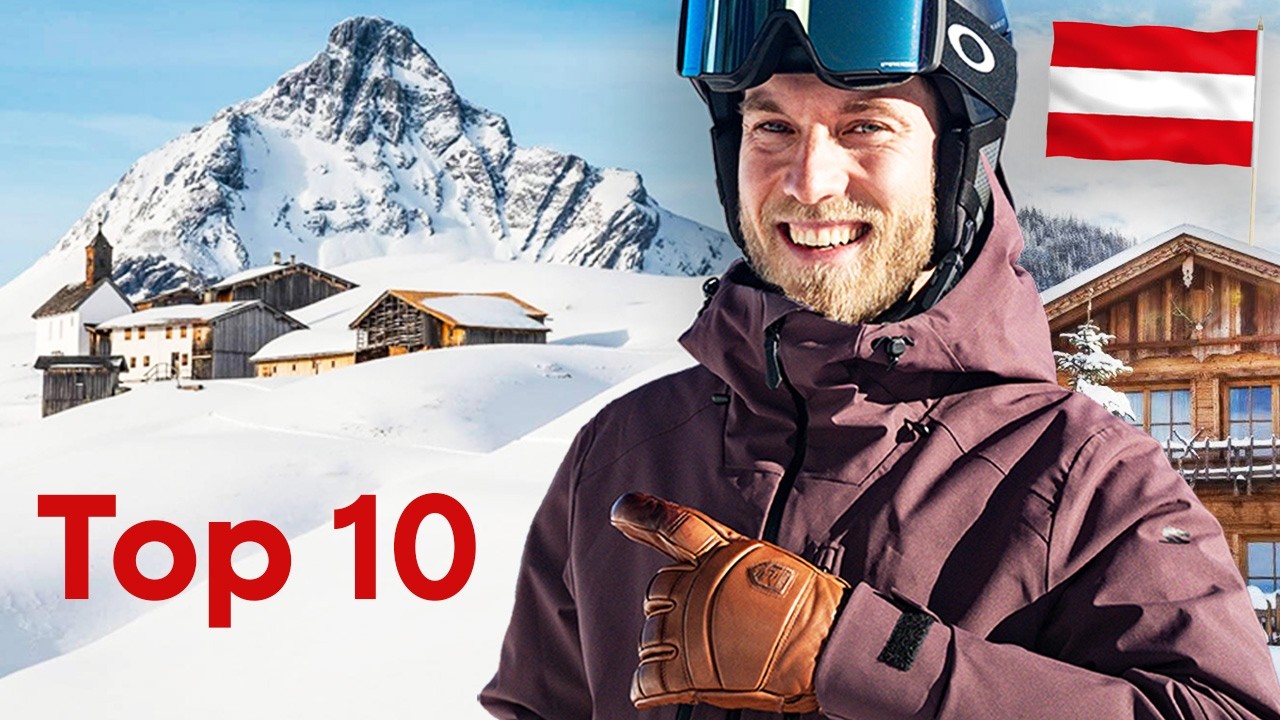
Marius Quast
Olpe, North Rhine-Westphalia, Germany | Active public archive: 2010s-present | Known for: ski resort guides, ski technique, alpine travel videos, DSV ski instructor background | Current: full-time YouTube creator and ski travel storyteller
Corbet’s Couloir With A Teacher’s Voice
The entrance to Corbet’s Couloir looked sharp, shadowed, and much steeper than a normal resort pitch. Marius Quast stood above the Jackson Hole drop with a camera running, turning a famous line into something his viewers could understand rather than only admire.
That is the center of his ski identity. Quast is not a freestyle contest athlete or a street skier chasing video parts. He is a German ski instructor, creator, and travel storyteller who uses skiing as a way to explain terrain, technique, risk, access, and mountain culture. His videos sit between resort guide, ski lesson, travel documentary, and personal challenge.
Olpe Before The Alps Were Close
Quast was born in 1993 in Olpe, North Rhine-Westphalia, far from the daily rhythm of the Alps. On his official site, he describes the mountains as distant during childhood, while skiing, nature, movement, and alpine travel gradually became the center of his life.
That geography matters because his perspective is not built like a classic mountain-town athlete profile. He speaks to skiers who plan, drive, book, compare, and learn. His content often answers the questions that recreational skiers actually ask before a trip: how the slopes feel, how difficult the terrain is, where the snow holds, and whether a resort fits their level.
DSV Training Behind The Camera
Quast’s ski background is not only media-based. His official biography states that his ski instructor pathway began with WSV Schneekanonen e.V. in Olpe and led to the highest ski instructor qualification of the German Ski Association, the DSV-Skilehrer, which he completed at age 22.
He later joined the perspective team and teaching team of the Westdeutscher Skiverband after completing the DSV instructor course. That training explains the tone of his ski technique content. He does not present carving, short turns, straight-lining, icy slopes, or steep terrain as random tips. He frames them as movement problems a skier can solve step by step.
Alyeska Skiing, Maha, And The Long YouTube Road
During his engineering studies at KIT Karlsruhe, Quast helped build an early ski-focused YouTube project with Bastian Brutzer, Julian Witting, and Marcel V. The channel began as Alyeska Skiing and later became maha Lifestyle, according to his official biography.
That early period shaped the production side of his career. He learned how ski education, filming, editing, audience trust, and travel logistics fit together. Later, with Bastian Brutzer, he co-founded Maha Studio GmbH in Munich and worked there as managing director until 2025. His own channel became his full-time profession after years of consistent production.
Alps Guides Instead Of Highlight Reels
Skipowd describes Quast as a German ski-focused creator and travel storyteller known for detailed resort explorations, narrative reviews, and practical information for skiers. That description fits the strongest part of his archive. He documents how a mountain works, not only how it looks in the best five seconds of a run.
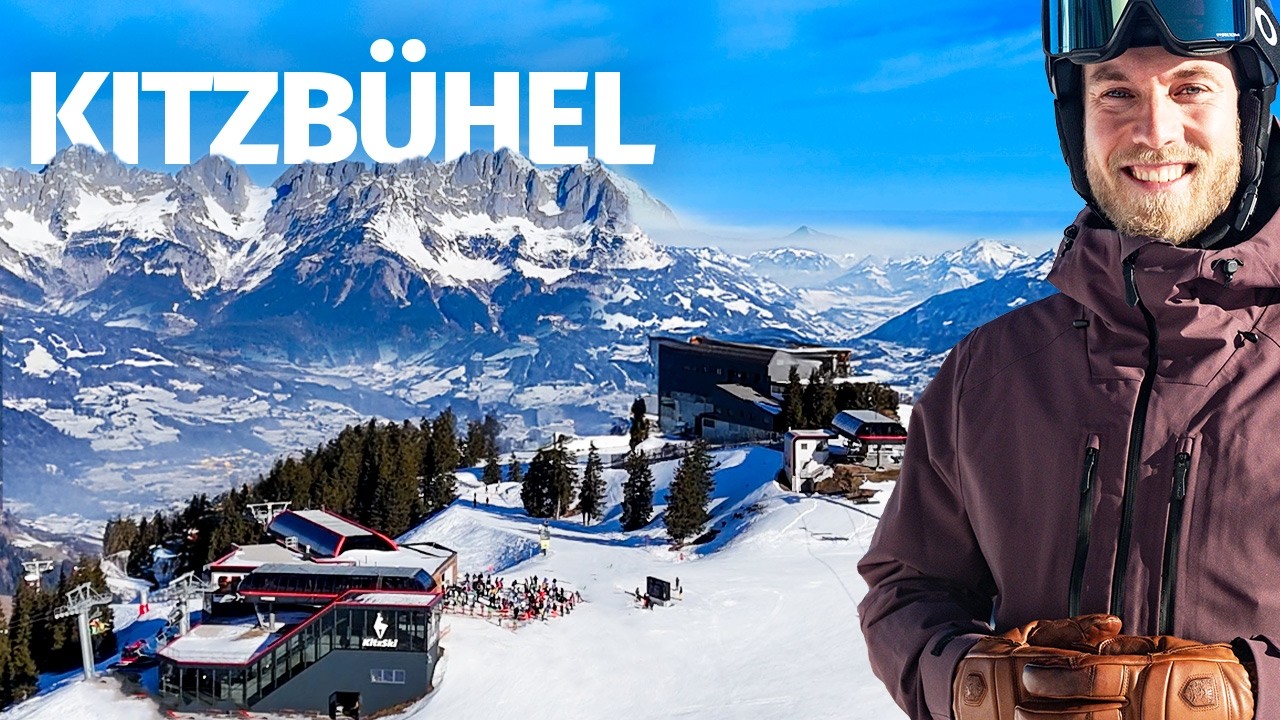
His resort videos often focus on terrain variety, lift layout, slope difficulty, snow conditions, food stops, access logistics, and timing. In that sense, his work becomes useful before a viewer ever arrives at the resort. A video about Kitzbühel, Ischgl, Serfaus-Fiss-Ladis, Chamonix, Tignes, or Oberstdorf-Kleinwalsertal functions partly as entertainment and partly as a scouting report.
Vallée Blanche And The Glacier Lesson
In 2025, Unofficial Networks covered Quast’s trip to Chamonix to ski the Vallée Blanche, describing the route from the Aiguille du Midi through the Mont Blanc massif. The subject fits his format perfectly: iconic, photogenic, technical, but also full of safety context.
The Vallée Blanche is not a normal groomed descent. It involves glacier terrain, changing snow, route choice, exposure, and the need for a guide. For Quast, that kind of video is not only about proving he can ski a famous line. It is about showing what the day actually demands: preparation, decision-making, conditions, and respect for terrain that can look easier on camera than it feels underfoot.
Jackson Hole, Japan, And The Expanding Map
Quast’s ski map has expanded far beyond Germany and Austria. His official biography references a North America tour through Aspen, Jackson Hole, Whistler, and Kicking Horse. Unofficial Networks later covered his Corbet’s Couloir video at Jackson Hole and his Japan trip through Hakuba Happo-One and Hakuba Cortina.
Those destinations broaden his value for a German-speaking ski audience. Corbet’s Couloir introduces steep North American resort culture. Hakuba introduces Japanese snow, forest skiing, resort customs, and travel rhythm. Chamonix introduces glacial freeride access. Each trip gives his viewers a comparison point beyond the familiar Alpine resort model.
Marco Odermatt And The Honest Benchmark
One of Quast’s clearest performance-comparison videos placed him on a race course with Marco Odermatt, the Olympic gold medalist and alpine World Cup champion. Unofficial Networks covered the video as a regular, highly experienced skier testing himself against one of the best ski racers in the world.
The value of that format is humility. Quast does not need to pretend he is a World Cup racer. The video works because the gap is visible and educational. Viewers see line choice, edge pressure, acceleration, course discipline, and how much precision separates strong recreational skiing from elite alpine racing.
Technique For Skiers Who Still Want To Improve
Quast’s ski-basics content and outside coverage show him teaching practical technique: carving turns, short turns, icy-slope skiing, straight-lining, and controlled speed. Unofficial Networks covered his straight-line explanation in 2025, presenting him as a European ski instructor breaking down a skill that many skiers oversimplify.
That teaching layer separates him from pure travel creators. He can narrate why a run feels difficult, how edge angle changes on firm snow, why stance matters at speed, and how skiers should read terrain before committing. His skiing is not stunt-driven. It is controlled, instructional, and built for viewers who want to progress without losing the joy of travel.
The Team Behind The Winter Schedule
Quast’s official site describes a production setup that varies by season and names Linus Pohl as a fixed pillar as camera operator and editor. It also mentions a wider team that has supported the channel, with people contributing during different production phases.
That detail matters because ski travel content looks simple only after editing. A resort video requires travel, weather timing, permissions, route planning, filming on cold days, audio capture, map context, drone or action-camera decisions, and a story structure that still feels clear when the snow changes. Quast’s work is built as much in logistics as in turns.
The Current Public Trail
The current public record shows Quast as a full-time ski and outdoor creator rather than a competition athlete. His website presents him as a YouTuber, content creator, entrepreneur, and DSV-trained ski professional. Skipowd lists him through ski resort discovery videos, including Austria-focused content and a Kitzbühel review.
His place on Skipowd is therefore different from a freestyle rider page. The strongest reason to watch him is not a trick, medal, or film part. It is the way he explains mountains: how a resort skis, how a line feels, how technique changes the experience, and how travel becomes easier when someone has tested the terrain first.