Kashmir
Himalaya
India
Himalayan ski region in Jammu and Kashmir | Known for: Gulmarg gondola access, Apharwat terrain, Pir Panjal storm cycles, touring lines, heli-style descents and Khelo India snow sports | Season: mid-December to mid-April depending on snow | Best for: advanced freeriders, ski tourers, guided powder travelers and expedition-minded skiers
Apharwat Access In The Pir Panjal
Gulmarg sits about 60 kilometers from Srinagar in the Baramulla district, with the Pir Panjal range forming the ski horizon above the village. The official district page places the first gondola phase at Kongdori and the second stage higher toward Apharwat, while independent ski-area data puts the winter sports zone between 2650 meters and 3980 meters. That lift geometry gives Kashmir its strongest ski identity: a valley village, forested lower terrain, open alpine bowls and ridge-accessed descents stacked above one another.
Kashmir is a regional ski story rather than a single resort profile. Gulmarg is the operational anchor, but the editorial subject is wider: western Himalayan weather, Srinagar access, Pir Panjal terrain, local guiding culture, touring objectives and the way winter travel moves between village, gondola, road and snowpack. For freeskiers, the appeal is the tension between access and seriousness. A lift can put a skier close to high alpine terrain, but the terrain still behaves like backcountry.
Kongdori Trees And Phase Two Alpine Exposure
The mountain skis in vertical layers. The lower village zone and poma terrain suit warm-ups, instruction and storm-day movement. Phase 1 reaches Kongdori, where trees, benches and rolling terrain give skiers more reference points when visibility drops. Phase 2 is the switch. It pushes skiers toward the Apharwat shoulder, where open faces, wind slabs, bowls, traverses and short hikes create the feeling of a touring venue even when the day began with a gondola ticket.
Skiresort.info lists 25 kilometers of slopes and six lifts, with difficult pistes making up the largest share of marked terrain. That number only describes part of the experience. Kashmir’s freeride value sits in the mostly ungroomed terrain around and beyond the marked routes, especially when storm snow fills gullies and wind reshapes the upper mountain. The best skiers here are not simply fast. They are patient, observant and willing to change objectives when cloud, wind or patrol decisions change the day.
Western Disturbances And The Snow Calendar
Kashmir’s snow is driven by winter systems that reach the western Himalaya and load the Pir Panjal. JKTDC describes Gulmarg’s ski season as usually beginning around mid-December and continuing until mid-April. In strong cycles, that window can deliver deep snow, cold upper-mountain surfaces and repeated refills. In weaker years, the same calendar can be unreliable. Reuters reported that India postponed national winter games in February 2025 because key Gulmarg slopes lacked sufficient snow, after unusually dry and warm conditions in the region.
That variability should shape trip planning. January and February are the classic deep-winter targets for powder travelers, with the best odds of cold snow and repeated storm resets. March can offer clearer windows, longer days and high-elevation skiing that stays wintry after lower terrain starts to soften. The correct plan is not one fixed week sold as guaranteed powder. It is a flexible itinerary with snowpack checks, weather buffers and enough time to wait for gondola openings after storms.
No Permanent Park Just Wind Built Freestyle
Kashmir is not a park destination in the shaped jump and rail sense. There is no permanent freestyle identity comparable to a European glacier camp or a Scandinavian rail park. Freestyle here comes from natural geometry: wind lips, drifted rollovers, cornice edges, small rock drops, pillow-like deposits in the trees and broad powder landings when the snowpack allows. That makes the region relevant to creative skiers, but only if they understand terrain consequence.
A natural feature above Kongdori or Apharwat is not the same as a groomed takeoff. Speed, landing angle, snow texture and runout must be read before any trick. The reward is a style of skiing where freeride and freestyle overlap without a park crew shaping the line. A skier might find a slash, a small air, a spine-like shoulder or a wind roll that exists for one morning only. Kashmir’s freestyle vocabulary is temporary, weather-made and strongly tied to guide judgment.
Khelo India And The Competitive Mountain
The strongest formal event structure around Gulmarg is national rather than global. The Press Information Bureau announced the Gulmarg leg of the Khelo India Winter Games 2026 for February 23 to 26, with snow sports competitions in ski mountaineering, alpine skiing, Nordic skiing and snowboarding. The official Khelo India page also lists Kangdoori Phase 1 and Golf Course Club as Gulmarg venues for the snow-sport chapter of the sixth edition.
For international freeski readers, that event context matters because it shows how Kashmir functions inside India’s winter-sport development. Gulmarg is not only a powder stop for traveling foreigners. It is also a domestic training and competition base, connected to alpine racing, snowboard progression, ski mountaineering and Nordic racing. The infrastructure built for those disciplines supports the wider winter ecosystem, even if the freeride visitor is mostly watching snow stability, gondola status and upper-mountain access.
Srinagar Gateway And The Tangmarg Climb
The usual approach runs through Srinagar, then climbs by road toward Tangmarg and Gulmarg. The District Baramulla page gives Srinagar as the closest airport and places the Gulmarg road distance near 54 kilometers from Srinagar, with Baramulla also around 54 kilometers away. That access is one of Kashmir’s advantages. A skier can land in a major city, move into the mountains the same day when roads are clear, then base near the gondola for early-morning decisions.
Winter logistics still require patience. Road conditions, security restrictions, weather delays, ticket demand and gondola operations can all change the schedule. The Gulmarg Gondola operator should be checked before committing to upper-mountain objectives, especially after storms or technical interruptions. Skiers should also plan for chain controls, delayed openings and down days. In Kashmir, a successful trip is not measured by forcing every day onto Apharwat. It is measured by adjusting quickly when the mountain gives a safer answer.
Guides Avalanche Gear And The Serious Side Of Access
Lift access can make Kashmir feel easier than it is. Reuters reported a fatal avalanche near Gulmarg in February 2024 after heavy snowfall and an avalanche warning, with several skiers rescued. The same report noted earlier fatal incidents involving foreign skiers around Gulmarg. Those facts should sit at the center of any freeride plan. Beacon, shovel, probe, helmet, partner rescue skills and local knowledge are not optional once a skier leaves controlled pistes or hikes above the gondola.
The safest approach is guided, conservative and flexible. Groups should respect rope closures, use island-of-safety stops, avoid stacking multiple riders on one slope and treat wind-loaded convexities with caution. Upper-mountain faces can change quickly after storms, and spring sun can create a different hazard pattern later in the season. Kashmir rewards skiers who can wait. The best line is not the one visible from the lift. It is the one that matches the day’s snow structure, visibility and exit plan.
Exploration Culture Beyond Resort Skiing
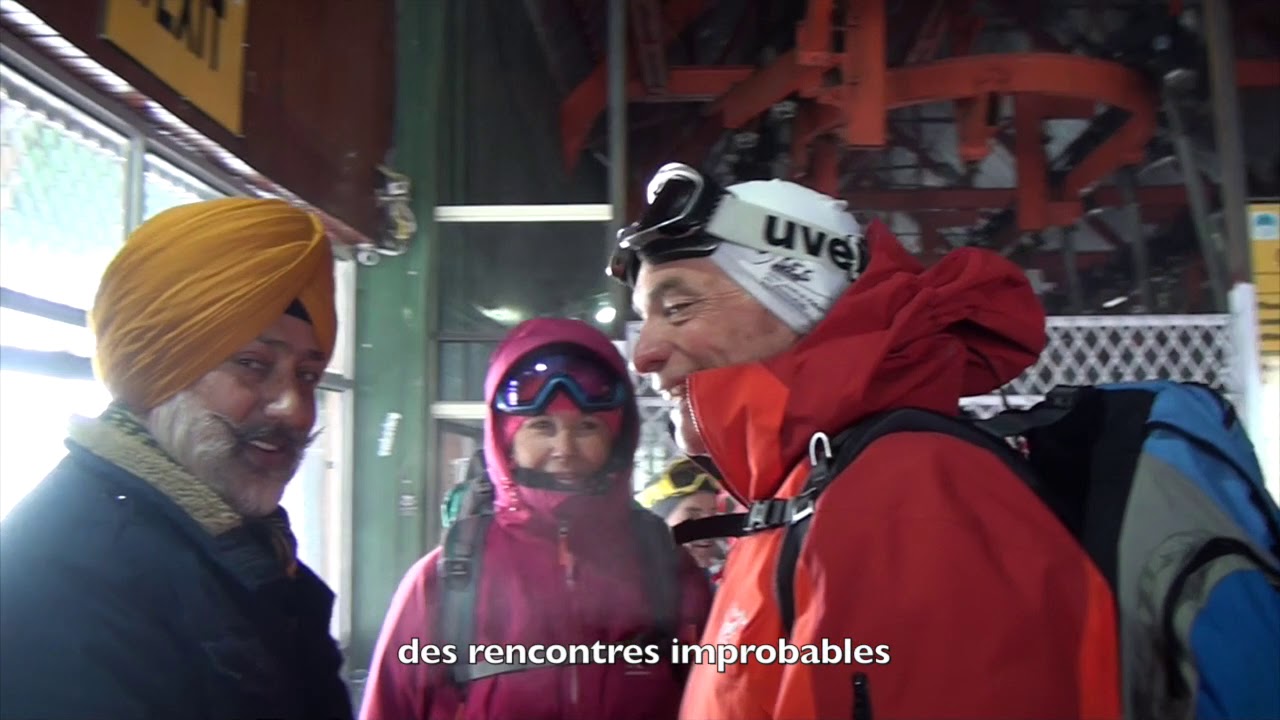
Kashmir also fits skipowd.tv through exploration skiing. The verified profile of Odile Jorigné links her archive to ski touring travel films across Japan, Iran, Kashmir, Patagonia and Antarctica, including the video CACHEMIRE 2019. That context places the region beside human-powered and expedition-style destinations rather than only resort snow. It is useful for viewers who want terrain, travel and mountain culture in the same edit.
The closest internal comparisons are not park venues. They are travel regions like Zagros, Patagonia and Antarctica, where the snow story depends on logistics, weather and small-team decisions. Kashmir is more accessible than those remote expedition zones because Gulmarg has lifts, hotels and road access. Yet the ski mindset overlaps: read the place first, then choose the line.
Security Weather And Respectful Travel
Kashmir’s location adds a travel layer that should be handled with care. Conditions can change across the region, and visitors should check current government travel advice, local advisories and operator updates before departure. The goal is not to reduce the place to risk. The goal is to travel with enough awareness to respect residents, guides, mountain staff and the political reality of the region. Ski content should not erase the people who make the trip possible.
Respect also applies in the village. Use local guides when leaving managed terrain, pay attention to patrol instructions, avoid blocking roads with ski gear, and treat hotel staff, drivers and instructors as part of the mountain system. Kashmir’s ski experience is built by many hands: gondola operators, drivers, ski teachers, avalanche observers, hotel crews and local families who live with the winter economy year after year.
The Kashmir Reason For Freeskiers
Kashmir matters for freeskiing because it compresses high-elevation Himalayan access into a destination that is both reachable and serious. Gulmarg gives the region a lift-served spine. Apharwat gives it scale. Kongdori gives it storm-day texture. Srinagar gives it a cultural gateway. The snowpack gives it uncertainty, and that uncertainty is part of the appeal for skiers who prefer mountain craft over a predictable resort product.
The best version of a Kashmir trip is not a checklist of famous runs. It is a week of disciplined decisions: one day in the trees, one day waiting for Phase 2, one day touring with a guide, one day backing off because wind has written a clear warning into the snow. For skipowd.tv, that makes Kashmir a strong regional profile: a Himalayan ski destination where powder, travel, risk management and exploration all sit on the same ridge.