Zagros
Zagros
Iran
Iranian mountain ski region across the Zagros arc | Known for: Pooladkaf, Chelgerd Kuhrang, Fereydunshahr, Kakan Dena, Zardkuh touring and small lift access | Season: late December to March depending on elevation and snow | Best for: exploratory ski tourers, regional freeriders, travel film crews and skiers seeking quiet winter terrain
Dena Heights And The Long Limestone Spine Of Western Iran
The Zagros Mountains form a long, high arc through western Iran, with the Dena massif giving the range its highest ski-relevant skyline. Britannica lists Mount Dena at 4409 meters, and that altitude explains why this region can hold winter snow even though many travelers still associate Iran skiing with the Alborz resorts north of Tehran. For freeskiers, the Zagros is not one single destination. It is a chain of modest lift areas, high villages, touring valleys and 4000-meter summits where access depends on road conditions, local knowledge and timing.
The existing skipowd.tv page already points in the right direction by treating Zagros as a regional edit location rather than a resort page. That matters. A skier does not come here for fast gondola laps, large park infrastructure or a polished international resort product. The appeal is smaller and more exploratory: cold mid-winter surfaces, uncrowded slopes, short lifts that double as acclimatization tools, and big surrounding terrain where the day can shift from family-hill laps to serious ski touring.
Pooladkaf Fereydunshahr Chelgerd And Kakan In One Mountain Map
ITTO documents several ski areas that define the Iranian Zagros winter map. Pooladkaf sits in Fars Province near Sepidan and Shiraz, giving the southern Zagros one of its most visible lift-served references. Fereydunshahr lies west of Isfahan and is described as the highest ski resort in Isfahan Province. Chelgerd, also called Kuhrang or Koohrang, sits in Chaharmahal and Bakhtiari near the Koohrang tunnel, while Kakan, also known as Dena Ski Resort, is positioned near Yasuj on the Dena corridor.
None of these areas should be sold as mega-resorts. Their strength is the opposite. They give skiers points of entry into a winter landscape that remains mostly local, practical and lightly commercialized. Pooladkaf can make sense for a Shiraz-based trip. Fereydunshahr works as an Isfahan-side snow objective. Chelgerd is important because of its proximity to Zardkuh and Kuhrang terrain. Kakan is valuable because it places skiers under the Dena wall, where the surrounding peaks give the resort a far bigger mountain context than its lift count suggests.
Zardkuh Snowfields And Dena Touring Corridors
The strongest Zagros freeski terrain is not inside the marked pistes. It sits above and beyond them, especially around Zardkuh, Kuhrang and Dena. These zones offer long ski-touring potential when snow cover, road access and stability align. The terrain is often open, with broad slopes, rounded ridges, wind-shaped bowls and high passes rather than tree-protected storm skiing. That makes route choice more exposed. A safe line can look obvious from the valley, then become complicated once wind texture, sun crust or shallow coverage appears on the upper approach.
The character is closer to expedition touring than resort freeride. A skier may use Chelgerd for basic lift mileage or snow assessment, then move into a guided touring objective once conditions are confirmed. Dena carries a similar logic near Kakan. The lift hill can be the warm-up, but the mountain range is the real subject. For skipowd.tv, this is where Zagros becomes visually interesting: small human figures crossing high Iranian winter terrain, not just chairlift laps on a local piste.
January Cold And The Short Zagros Window
The useful ski season in the Zagros is compact and elevation dependent. Late December can work when early storms arrive, but January and February are the more credible targets for cold snow, preserved surfaces and fuller coverage. March can still be productive on high shaded aspects, especially for touring, but lower slopes and south-facing terrain can change quickly once spring sun gains strength. The calendar should be treated as a planning frame, not a guarantee.
That variability is part of the region’s identity. The Zagros does not offer the consistent operating depth of a high Alpine mega-resort or the maritime refill rhythm of Japan. Snow may arrive in strong pulses, then be reworked by sun, wind and dry spells. For a skier, that means flexibility is more important than a fixed hit list. Build an itinerary around several bases, watch mountain roads, and let the best-covered aspect decide whether the day is piste skiing, a short tour, a rest day or a scouting mission.
Grassroots Freestyle Without A Permanent Park System
Zagros is not a terrain-park region in the structured European or North American sense. Permanent freestyle infrastructure is limited, and any rails, boxes or shaped hits should be considered seasonal and local rather than a guaranteed program. That does not remove freestyle from the region. It shifts the language toward natural features, side hits, wind lips, roadside banks and small builds around lift areas when snow depth allows.
The best freestyle use is low-impact and creative. A skier can work on speed control, presses, small airs and terrain adaptation without needing a large park crew. Pooladkaf and Fereydunshahr may provide enough groomed rhythm for basic jumping and carving progression, while Chelgerd and Kakan offer more mountain context. The most useful mindset is not to expect a shaped slopestyle line. It is to treat every feature as temporary, check landings carefully and keep the setup respectful in family-oriented ski areas.
Odile Jorigné And The Exploration Film Thread
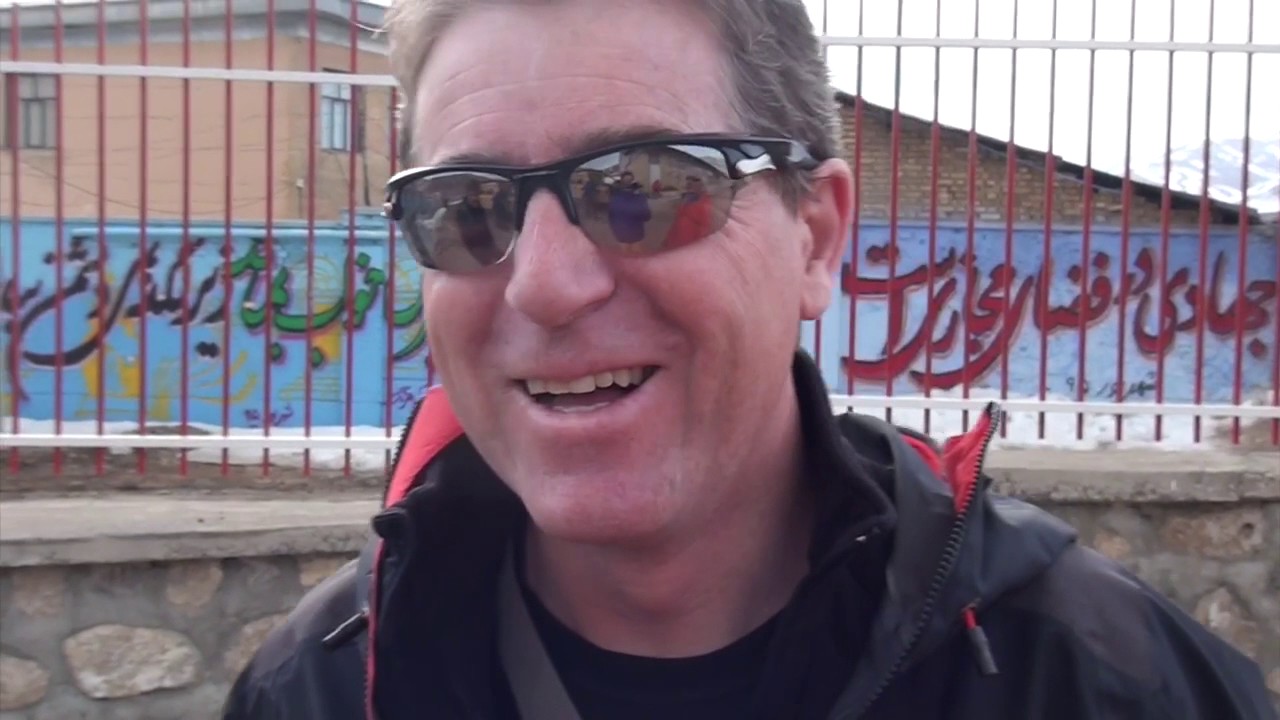
Odile Jorigné gives Zagros its clearest internal skipowd.tv connection. The verified Zagros page includes the video “Voyage de ski en Iran”, dated July 10, 2017, under exploration and ski touring categories. That framing is important because it places the region beside travel-ski narratives rather than contest skiing. Zagros works best on video when the viewer sees the movement between villages, passes, snowfields and improvised ski days.
That same thread links naturally to other exploration locations already present on skipowd.tv. Kashmir has a stronger lift-access freeride identity through Gulmarg and Apharwat. Patagonia offers a broader Southern Hemisphere resort and backcountry network. Antarctica pushes the expedition idea to a polar extreme. Zagros sits between those references: less developed than Kashmir, less established as a global ski brand than Patagonia, but more accessible and culturally grounded than a pure polar expedition.
Shiraz Isfahan Shahrekord And Yasuj Gateways
Zagros logistics are built around road links from regional cities. Shiraz is the natural gateway for Pooladkaf and the Sepidan area. Isfahan gives access toward Fereydunshahr. Shahrekord connects skiers to Chelgerd and Kuhrang, while Yasuj sits close to Kakan and the Dena foothills. This multi-gateway structure makes the region better suited to a flexible road itinerary than a single-base resort holiday.
Travel planning should allow for winter roads, slower transfers after storms and limited real-time information compared with major European or North American resorts. A local driver, a guide or a regional operator can make the difference between losing a day and finding the correct valley. The daily flow is simple but weather dependent: use small ski areas when access is easy, move higher only when the snowpack supports it, and avoid building a trip around one objective that may be dry, closed or wind-scoured when the group arrives.
Safety Culture In A Lightly Documented Range
The main safety issue in the Zagros is the gap between big-mountain terrain and limited public snow information. Touring slopes above villages may look open and forgiving, but avalanche exposure, hard-surface falls, cornice features, navigation errors and road-access problems are real. Skiers should carry transceiver, shovel and probe when leaving controlled slopes, travel with trained partners and use guides who understand local winter patterns.
The cultural layer matters too. Many lift areas serve local families, school groups and casual winter visitors, so freeriders should keep speed controlled near beginners, clear landings immediately and avoid treating small resorts like private playgrounds. In rural valleys, ask before crossing private land, respect village routines and understand that winter tourism may be only one part of a broader agricultural or pastoral landscape. Good ski travel here is not just about finding snow. It is about moving through the region without acting like the mountains exist only for visitors.
The Zagros Reason For Freeskiers
Zagros matters because it expands the ski map beyond the obvious Iranian story. Dizin, Shemshak and Tochal dominate international awareness through the Alborz, but the Zagros gives Iran a second winter geography: smaller resorts, higher touring objectives, southern snow surprises and a travel rhythm built around regional cities rather than one major resort base. That difference makes the range useful for skiers who value discovery over infrastructure.
The best Zagros trip is measured in adaptation. One day may be a quiet piste session at Pooladkaf. Another may be a scouting drive toward Chelgerd. A third may become a guided tour under Dena or Zardkuh if stability, weather and access line up. For skipowd.tv, that is the editorial strength of the place: a mountain region where short lifts, 4000-meter horizons and Iranian winter culture combine into a ski story that still feels underdocumented.