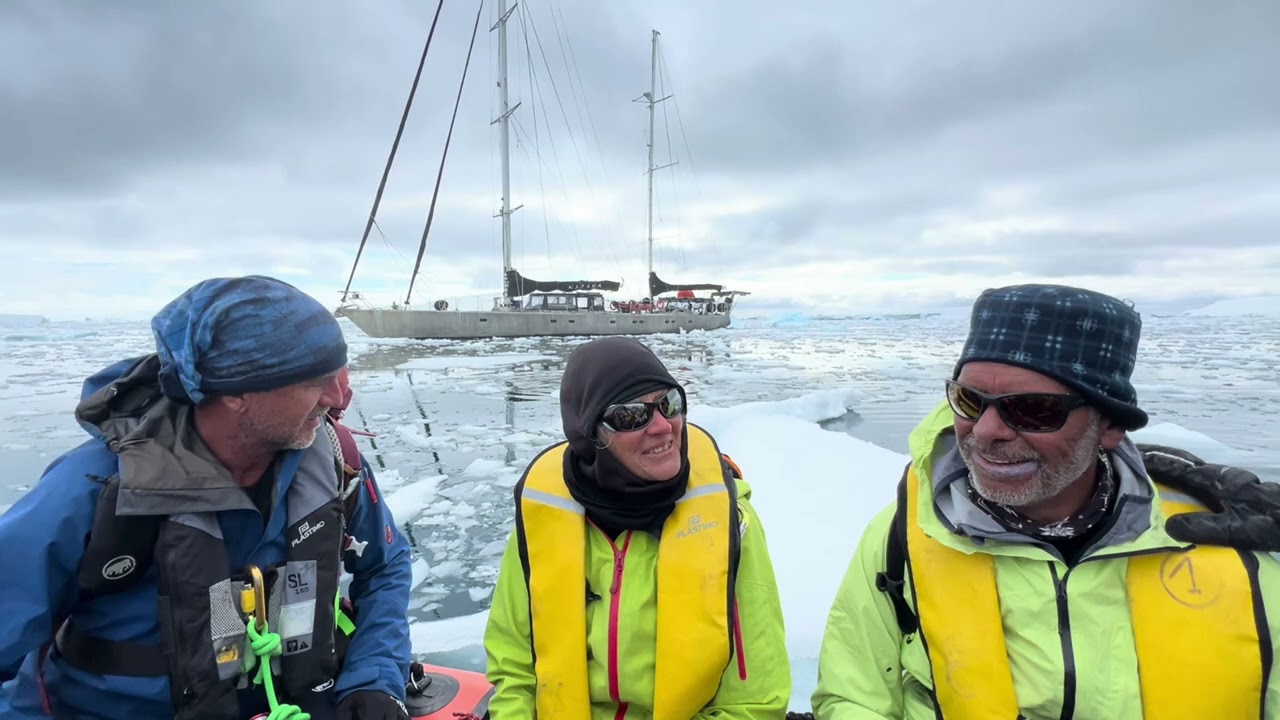
Antartica
Antartica
None
Polar backcountry continent governed by the Antarctic Treaty System | Known for: Heritage Range ski touring, Mount Vinson access, Union Glacier logistics, South Pole expeditions and strict environmental rules | Season: austral summer for most guided access | Best for: expert ski tourers, expedition skiers and film crews prepared for remote glacier travel
Union Glacier And The Ice Runway Into The Interior
Union Glacier is the practical doorway for most private deep-field ski objectives in Antarctica, reached by air from Punta Arenas, Chile, during the austral summer. Antarctic Logistics and Expeditions describes its Ski Antarctica program around the Heritage Range of the Ellsworth Mountains, with terrain including Connell Canyon, the west face of Mount Rossman, scenic valleys and day tours from Union Glacier Camp. This is not resort skiing translated to the polar world. There are no lifts, no piste markers, no snowmaking, no patrol shack above the last chair. Every descent begins with logistics, weather, aircraft planning and guide judgment.
The scale is hard to compress into normal ski language. Antarctica covers roughly 14 million square kilometers, and the British Antarctic Survey describes it as the coldest, highest, driest and windiest continent on Earth. For skiers, that means the snowpack is not simply a matter of storm totals. Wind, cold, sastrugi, blue ice, glacial structure and sun angle define the surface as much as fresh precipitation. A good day can feel like skiing on another planet. A bad day can stop movement entirely.
Heritage Range Valleys And Wind Built Ski Lines
The Heritage Range gives Antarctica its most accessible interior ski language. The terrain is not a dense resort bowl, but a remote mountain zone where glacier travel links ridges, open valleys, wind-loaded pockets and long fall-line descents. Skiers move through wide white spaces where visual references are scarce, which makes depth perception and group spacing more important than in tree-lined backcountry. Connell Canyon and Mount Rossman appear in ALE’s own ski description, giving useful names to a map that otherwise feels almost abstract.
Snow quality depends on wind as much as snowfall. Expect hard surfaces, chalk, sculpted ridges, supportable crust, occasional boot-top powder and polished sections where the ski edge must be trusted. The continent is a polar desert, so the best skiing often comes from transported snow gathered in sheltered gullies or slopes with the right exposure. The reward is purity rather than variety. A single clean line in the Heritage Range can carry more expedition value than a dozen lift laps elsewhere, because the descent is tied to aircraft access, camp life, route finding and polar weather.
Mount Vinson As The Highest Ski Mountaineering Reference
Mount Vinson is the dominant mountain name in Antarctic ski-mountaineering planning. ALE lists the summit at 4892 meters, the highest peak in Antarctica, located in the Sentinel Range of the Ellsworth Mountains. The standard Branscomb Shoulder Route crosses gentle glaciers, 45 degree snow slopes, an exposed high plateau and a summit ridge. For skiers, Vinson is not a casual freeride objective. It is a mountaineering expedition where skis may be part of movement and descent planning, but altitude, cold, crevasse risk and camp logistics control the rhythm.
Nearby objectives and broader Ellsworth terrain give the region more than one story. Mount Sidley, Antarctica’s highest volcano at 4285 meters according to ALE, adds a volcanic Seven Summits dimension in West Antarctica. These names matter for skipowd.tv because they frame Antarctica as ski expedition terrain rather than a single novelty location. The continent has high peaks, glacier basins, volcanic objectives and polar plateau routes. What it lacks is a normal ski economy around them.
South Pole Routes And The Endurance Side Of Skiing
The South Pole adds a different ski identity. ALE describes access to 90 degrees south by air or ski, with demanding ski expeditions across the polar plateau for teams seeking an endurance challenge. This is not freeride in the cinematic sense of cliffs, powder turns and natural takeoffs. It is skiing as travel: sled hauling, cold management, navigation, repetitive movement and the mental discipline to keep going across a horizon that rarely changes.
For freeski culture, that endurance layer still matters. It separates Antarctica from almost every other snow destination on skipowd.tv. In the Alps, Alaska or Japan, the mountain usually defines the descent. On the polar plateau, distance defines the experience. The skill set shifts toward skins, pulks, camp systems, frostbite prevention, fuel management and satellite communication. A skier who only thinks in terms of airtime or vertical drop will miss the point. Antarctica expands the word skiing until it includes survival logistics.
No Park Scene Just Natural Polar Geometry
Antarctica has no snowpark, halfpipe, rail line, permanent freestyle venue or recurring freeski contest culture. The freestyle value is entirely natural and rare: wind lips, convex rolls, cornice-like edges, glacier transitions and clean, empty runouts. That makes feature selection more serious. A wind lip that looks playful can sit above crevassed terrain. A smooth slope can hide blue-ice exposure or poor runout options. The continent does not forgive casual interpretation.
For film crews, the appeal comes from contrast. Human movement appears tiny against white space, rock ribs, blue ice and polar light. A simple powder turn can feel cinematic because the environment is so stripped down. The existing skipowd.tv location page already connects Antartica with two ski-touring videos, including Antarctique 2012 short and Antarctique 2024, both tied to exploration and freerando content. That is the right editorial lane: expedition skiing, not resort freestyle.
Austral Summer Light And Weather Dependent Access
The main recreational access window is the austral summer, when interior operations and aircraft logistics become possible. Union Glacier Camp generally functions as a seasonal hub, and ski objectives depend on weather windows, runway conditions, aircraft availability and temperature. Continuous daylight changes the rhythm of movement. Teams may ski, fly or shift objectives at hours that would feel unusual in a normal resort environment, because the sun does not impose the same daily closing bell.
That does not make the environment simple. Wind can ground aircraft, hide surface texture and turn a planned objective into a waiting day. Cold can turn minor gear problems into major safety issues. Visibility can flatten the terrain until slope angle becomes difficult to read. The best planning mindset is conservative. Build buffer days, accept itinerary changes and treat every flight, landing, ski tour and descent as weather dependent. Antarctica is not a place where a skier buys a pass and demands conditions.
Treaty Rules And The Environmental Contract
The Protocol on Environmental Protection to the Antarctic Treaty designates Antarctica as a natural reserve devoted to peace and science. That legal context shapes ski travel more directly than in any ordinary mountain destination. Activities must respect environmental assessment, protected areas, waste handling, wildlife rules and site-specific restrictions. The mountain experience is inseparable from governance.
IAATO maintains visitor guidelines covering conduct, biosecurity and wildlife procedures, and its visitor guidance emphasizes compliance with the Treaty and Protocol. For skiers, this means no casual attitude toward landings, waste, equipment cleaning or wildlife disturbance. Gear must be checked for seeds and non-native material. Human waste and camp impact are controlled. Penguins, seals and scientific work take priority over footage, summits or personal objectives.
Glacier Skills Before Bucket List Thinking
Antarctica requires glacier competence before ambition. Crevasses, rope travel, harness systems, rescue kits, cold injuries, navigation errors and hard-surface falls are not side concerns. They are part of the baseline. Skiers should be comfortable with avalanche rescue, but avalanche tools alone are not enough. A polar expedition kit adds rope systems, communication devices, face protection, repair capacity and the ability to stay functional when simple tasks become slow.
The right skier for Antarctica is not defined by tricks or resort confidence. The right skier can move patiently, follow guide instructions, manage cold hands before they become dangerous, keep skins working in abrasive snow and accept that turning around is normal. A strong resort skier with no glacier background may be underprepared. A ski mountaineer with expedition discipline will understand the place faster.
The Reason Antarctica Belongs On A Ski Map
Antarctica belongs on a freeski map because it tests the outer edge of what ski travel can mean. It has no village scene, no chairlift flow, no park crew, no après culture and no easy storm-chasing formula. Instead, it offers Heritage Range touring, Mount Vinson mountaineering, South Pole endurance routes, Union Glacier logistics and a level of environmental responsibility that changes the tone of every decision.
For skipowd.tv, the corrected editorial identity should be Antarctica as a polar backcountry expedition zone. The existing slug may remain Antartica for technical continuity, but the article should use the proper spelling in the title, metadata and prose. The strongest angle is not hype. It is precision: a protected continent where skiing is possible only through planning, respect, guidecraft and acceptance that the landscape sets every rule.