Sam Cohen
Profile and significance
Sam Cohen is a professional freeskier and ski mountaineer from Utah whose life has been shaped by Little Cottonwood Canyon and the deep snow of Alta Ski Area. Born in 1992 and raised in a ski-obsessed family as the son of renowned powder photographer Lee Cohen, he was on skis almost as soon as he could walk and never really stepped away. Today he is best known as a longtime member of the Scott Sports freeride team, a skier who blends big Alaskan faces, technical human-powered lines and playful Wasatch storm days into one coherent style. Rather than chasing a traditional contest career, Cohen built his name through big-mountain segments, webisodes and projects that highlight long approaches, serious terrain and the kind of “type 2 fun” he openly says he enjoys.
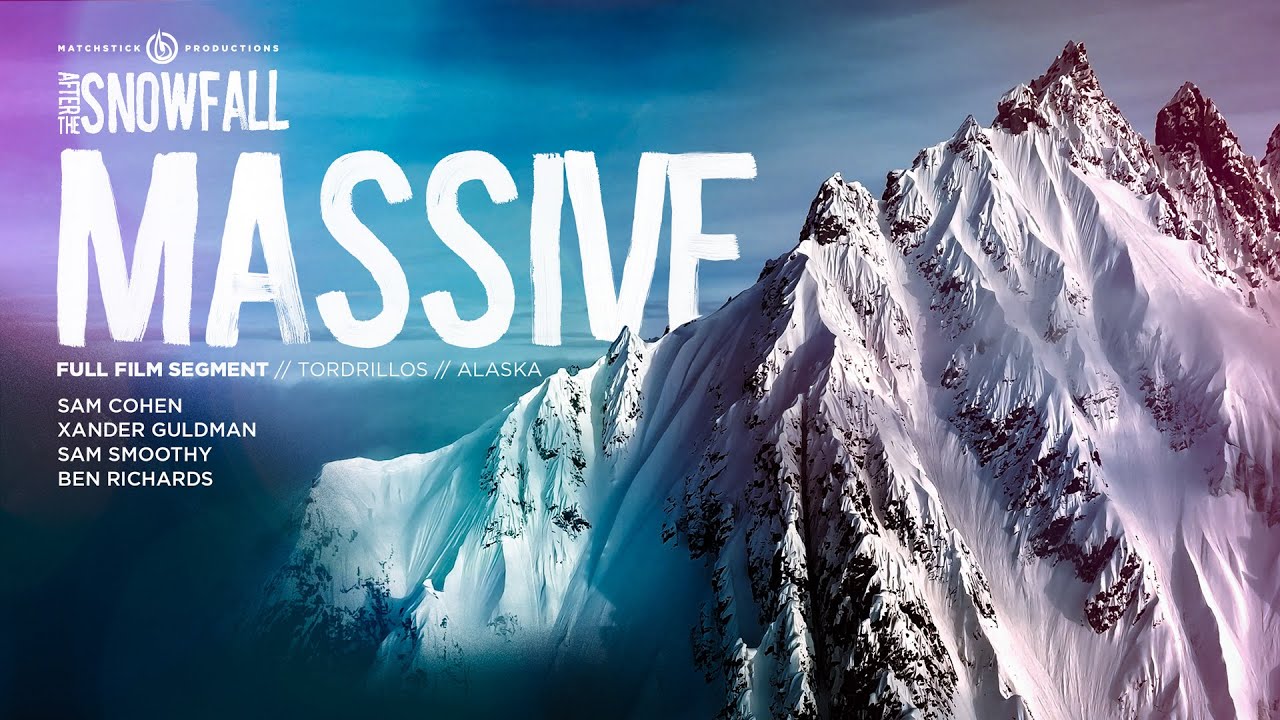
Within modern freeski culture, Sam sits in that influential space between local legend and film star. Early edits with the Dubsatch Collective turned Little Cottonwood storm days into cult classics, while later roles in Scott’s Cottonwood Project and multi-episode “Freedom to Explore” series showcased him as one of the most productive backcountry workhorses in the Wasatch. More recently, appearances in Matchstick Productions movies such as “Anywhere From Here” have introduced his skiing to a global audience, reinforcing his reputation as the guy who will happily bootpack, skin and climb for hours if it means one more clean fall-line shot when the camera finally rolls.
Competitive arc and key venues
Cohen’s path ran through competition but did not stop there. As a teenager he started traveling from the Wasatch to junior big-mountain events across the West, logging notable results on IFSA-style venues that rewarded strong legs, clean airs and confident line choice. Guides and coaches who worked in the region still point to that era as the time he learned to ski fast in consequential terrain, earning enough recognition that brand support and film opportunities soon followed. Once he realized that his real motivation lay in deep backcountry missions rather than bib numbers, he gradually stepped back from the circuit and devoted his winters to filming, photo shoots and exploratory trips.
The venues that define Sam’s career read like a greatest-hits list for big-mountain skiing. At home he laps the steep, avalanche-prone faces above Alta and Snowbird, moving easily between resort ridges and the sidecountry lines that spill deeper into Little Cottonwood Canyon. Scott’s “Cottonwood Project” and “Peak of Ill Repute” films followed him to Alaska’s Fairweather Range, where he and partners hunted stable windows among towering coastal peaks. Other projects such as “In the Meadow,” shot from a hut near Golden in British Columbia, and ski-mountaineering missions into Washington’s North Cascades have broadened his map. Whether it is sled-accessed powder in interior Canada or multi-day approaches into remote glaciated terrain, he has made a habit of choosing venues where logistics and commitment are almost as demanding as the skiing itself.
How they ski: what to watch for
Sam Cohen’s skiing is built on speed, fall-line commitment and a calm presence in places where hesitation would be costly. He tends to ski with a slightly forward, powerful stance, shoulders quiet and eyes locked down the mountain, which lets him absorb terrain changes without looking rushed. In deep snow he favors big, arcing turns that keep his skis high in the fall line, then snaps into tight, reactive moves when the slope funnels into chokes, rock bands or blind rollovers. Viewers watching his lines in Utah or British Columbia will notice how little he scrubs speed; he prefers to manage momentum with terrain rather than abrupt sideways slides.
In the air, Cohen mixes classic freeride straight airs with modern spins and tweaks, but the emphasis is always on where the landing puts him for the next move. Many of his best shots show him floating a relatively simple air into an exposed zone and then immediately threading three or four more turns through cliffs, trees or spine walls. He has the ability to stay relaxed even when visibility is flat or snow is exploding around his head, and he is deliberate about skiing with partners and photographers in ways that keep the entire crew safe. For skiers studying his footage, the real lesson is not just the tricks, but how early he sets up each decision so that fast, confident skiing still leaves room for exit options.
Resilience, filming, and influence
Building a career almost entirely on backcountry footage demands resilience, and Cohen has quietly shown a lot of it. Years of long storm cycles, predawn starts and heavy packs inevitably bring crashes, close calls and the need to balance ambition with humility. He has dealt with injuries and seasons where conditions or logistics shut down key objectives, yet he continues to return to the same steep canyons with undiminished energy. Interviews around projects like Scott’s “Cottonwood Project” emphasize that he actually enjoys the suffering: cold mornings, long bootpacks and the slow grind of waiting out weather windows are part of what keeps the work meaningful for him.
His influence flows through a mix of web edits, brand films and bigger-budget productions. Early Dubsatch clips gave younger skiers a raw, homegrown look at life chasing storms in Little Cottonwood, while pieces such as “All In,” “Freedom to Explore” and “Peak of Ill Repute” showcased longer-form narratives about hut trips and Alaskan expeditions with fellow Scott athletes. A widely shared SnowBrains feature on his hut-based film “In the Meadow” highlighted his ability to turn a small, remote lodge near Golden into a playground of pillows, chutes and technical lines. When Matchstick Productions dropped his athlete edits and promoted him as “the most interesting man in skiing,” it was less hype than recognition of a skier whose lifestyle—guiding, climbing, ski mountaineering and film work—embodies the modern all-in mountain pro.
Geography that built the toolkit
To understand Sam Cohen’s approach, you have to start with Little Cottonwood Canyon. The narrow glacial valley above Salt Lake City funnels storms onto the slopes of Alta and Snowbird, creating a snowpack that is at once deep and notoriously avalanche-prone. Growing up there meant learning to respect terrain traps, understand rapid loading events and make conservative decisions even when the powder is all-time. His father’s photography work required being in the right place at the right time, and Sam absorbed that same sensitivity to snow, light and timing from years spent as both subject and observer.
Beyond Utah, his skiing has been shaped by a collection of high-demand ranges. Trips to Alaska’s Fairweather Range for “Peak of Ill Repute,” hut-based winters in the Selkirks and Purcells near Golden, and ski-mountaineering objectives in places like the Picket Range of the North Cascades have exposed him to every kind of snow and terrain structure. In each of these zones the consequence level is high, and storms can reshape objectives overnight. That experience shows in how he moves through new mountains: probing carefully at first, then opening up once he trusts the snowpack. For fans watching his segments, it is clear that the calm confidence on screen is backed by years of reading complex terrain in some of the most serious snow climates in North America.
Equipment and partners: practical takeaways
Cohen’s long relationship with Scott Sports means his equipment is tightly integrated around backcountry and big-mountain needs. He rides Scott freeride skis and uses their boots, poles and goggles, leaning on lightweight but powerful setups that can handle multi-thousand-foot lines without feeling punishing on the climb. For layering and next-to-skin comfort, he works closely with merino specialist Ridge Merino, whose “Layer Like a Pro” features break down how he stays warm and dry during long days where conditions can swing from boilerplate to blower. As an ambassador for Dermatone and a guide with Utah Mountain Adventures, he also represents the less glamorous but crucial side of big days: sun protection, safety systems and professional-level mountain judgment.
For progressing skiers, the takeaway is that his kit is built for reliability first. His skis are wide and stable enough to handle high-speed slough management, yet light enough that he can put in long skin tracks without burning out before the descent. Thoughtful layering lets him move efficiently without constant wardrobe changes, and his guiding work means avalanche tools and communication systems are non-negotiable, not accessories. Watching his edits with an equipment lens helps underline a key point: before chasing his kind of lines, it is worth investing in a trustworthy touring setup, functional clothing and the avalanche education to use them properly.
Why fans and progressing skiers care
Fans connect with Sam Cohen because his skiing feels both aspirational and authentic. He is clearly capable of stepping onto the biggest stages in ski film, yet much of his story is grounded in familiar rhythms: early-morning canyon drives, watching the avalanche report, digging snow pits, joking with partners and then finally opening it up when everything comes together. Segments filmed at Alta, in British Columbia huts or on remote Alaskan faces show a skier who genuinely loves the whole process, not just the final hero shot. The fact that he still spends a large part of his life guiding, climbing and exploring on his own terms only adds to the appeal; this is a career built around mountains first and cameras second.
For progressing freeriders and backcountry skiers, Cohen offers a clear model of how to grow into serious terrain without losing the playful joy that drew you to skiing in the first place. His background in junior competitions, his years of Dubsatch edits with friends and his evolution into a trusted guide and film athlete all reinforce the same message: strong fundamentals, respect for the snowpack, and a willingness to work hard in the mountains are what make the biggest lines possible. Watching his clips with that in mind turns each segment into more than entertainment; it becomes a blueprint for balancing ambition, safety and long-term love for the sport.