Phil Boily-Doucet
Profile and significance
Philippe “Phil” Boily-Doucet is a Quebec freeski rider from the Montréal/Laurentians scene whose lane blends credible contest experience with a film-first, street-driven output. Born in 2000, he surfaced through tightly cut edits and small-crew projects before stepping into bigger urban films alongside leading Quebec riders. In 2018 he logged a World Cup appearance at the downtown Québec City Big Air, finishing 16th in front of a skyline crowd, and the same season added Nor-Am starts that sharpened his timing under pressure. In the film lane, he co-starred in “MTL 2,” a Montréal street project directed by Xavier Mayrand that earned selections at iF3 and the High Five Festival, and followed it with the short “Word to the Wise,” a compact statement on line reading and rail craft. Boily-Doucet’s significance sits at the crossover: a rider who can hold his own inside the start gate yet communicates best when the camera is close and the spot is the story.
Competitive arc and key venues
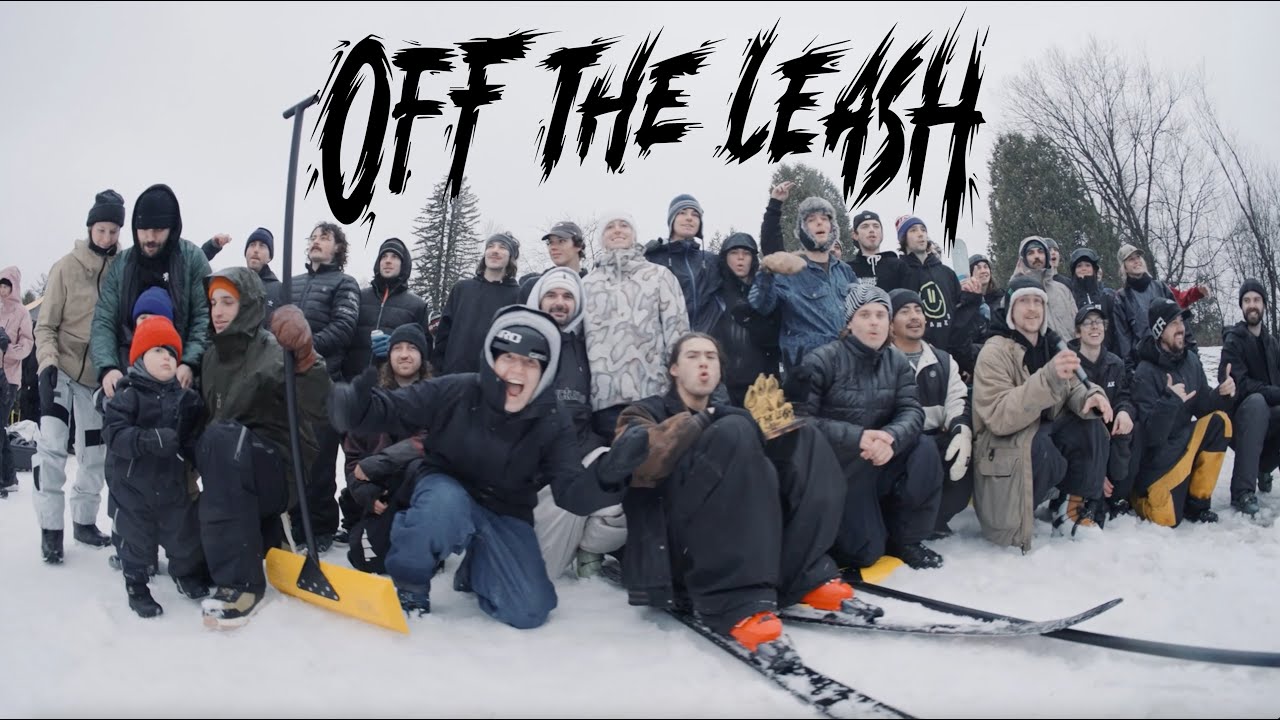
Boily-Doucet’s contest résumé maps the classic Quebec pathway. After local starts, he reached the city-center World Cup in Québec City in March 2018, then hit Nor-Am dates at Aspen/Buttermilk and Mammoth where speed control, wind calls and long decks expose weak habits fast. In the years since he has leaned toward rider-curated formats that reward creativity and flow, making finals nights at B-Dog’s Off The Leash in Shawinigan and joining the street-style gatherings that define the province’s culture. Parallel to that, the film calendar placed him at the heart of Montréal’s urban grid, where a handrail, a bike-rack down bar, or a tight in-run can turn into a memorable line if the setup, trick choice and exit are clean.
Venue-wise, the places tied to his name explain the skiing as well as any results column. Night laps at Versant Avila teach repetition and square entries on dense park lines; day trips to Bromont and Mont Tremblant add longer rhythm and variable light; the downtown scaffold in Québec City introduced big-air spacing and a TV-style pace; and Montréal’s neighborhoods provide the urban textures—kinks, close-outs, weird run-ins—that make his street parts replayable.
How they ski: what to watch for
Boily-Doucet skis with economy and definition. Into a takeoff he stays tall and neutral, sets rotation late, and locks grabs before 180 degrees so the trick breathes. On rails, look for long, decisive presses and backslides held just long enough to read clearly; surface swaps with minimal arm swing; and exits where the shoulders stay square so momentum survives into the next hit. He tends to organize edge pressure early—especially on kinks and waterfall rails—so the base stays flat and the landing looks inevitable rather than rescued. Even when he stacks complex lines, the approach remains calm: hips over feet, soft ankles on impact, speed preserved for whatever comes next.
Resilience, filming, and influence
The film arc is where Boily-Doucet’s profile accelerated. “MTL 2” positioned him beside Mat Dufresne and Paul Vieuxtemps in a director-driven sequel that ran on festival screens and in fall tour stops, validating the project’s mix of spot choice, careful shovel work and clean execution. “Word to the Wise,” released the following winter, distilled that approach into five minutes that riders can study frame by frame—patient entries, tricks chosen for how they read on camera, and exits that keep speed for the next feature. Between releases, he has been a reliable presence at Quebec’s scene-building events, where voting skiers and floodlights replace judging booths and clipboards. The influence is cumulative: parts and sessions that normalize a style-first, repeatable version of street skiing.
Geography that built the toolkit
Place explains the method. Montréal’s grid supplies the rails, ledges and walls that force accuracy at low to medium speeds; a small mistake at the top punishes the entire line. The Laurentians’ parks—especially Versant Avila—deliver lap volume under lights, perfect for drilling square entries, quiet shoulders and clean exits until they become automatic. Sessions at Bromont and Mont Tremblant add longer spacing and flat-light management, while the city-center jump in Québec City injected big-air cadence and pressure management. A winter’s worth of Shawinigan laps for B-Dog’s community jam added the peer-review pressure that comes when your judges are the riders you look up to.
Equipment and partners: practical takeaways
Boily-Doucet’s recent projects have been supported by Quebec shops and rider-run brands around the scene, including appearances in films backed by J Skis, LINE Skis and Axis Boutique. The hardware lesson for progressing park and street skiers is simple. Choose a true park ski with a balanced, medium flex you can press without folding; detune contact points enough to reduce rail bite while keeping dependable edge hold on the lip; and mount close enough to center that switch landings feel neutral. Equally important is the process his clips model: film your laps, compare shoulder alignment and hip-to-ankle stack against clear checkpoints, and iterate until patient pop, early grab definition and square-shoulder exits are automatic.
Why fans and progressing skiers care
Fans care about Phil Boily-Doucet because his skiing holds up in slow motion. The lines are built from teachable choices—calm entries, grabs that lock early, presses that last long enough to read—and they make you want to take another lap. Developing riders care because the same choices scale to normal parks and real city snowpacks. If your winter looks like night laps at Avila, weekend missions to Bromont or Tremblant, and the occasional urban shovel session, his blueprint shows how to turn limited speed and imperfect conditions into clips with high replay value.