Patrick Ring
Profile and significance
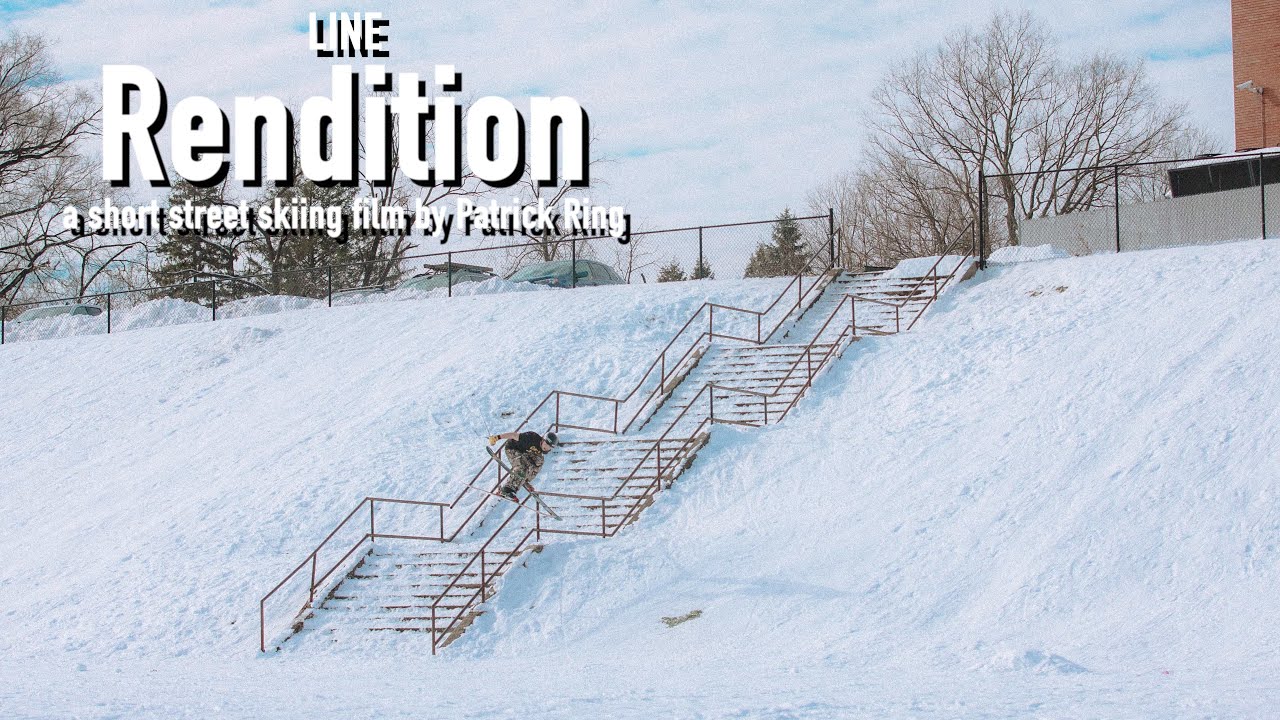
Patrick “Pat” Ring is a U.S. street-and-park freeskier and filmmaker whose work helped re-center urban skiing around patient setups, clear definitions, and spot-driven storytelling. Raised in southern Wisconsin and shaped by rope-tow nights at Alpine Valley Resort, he first drew wider attention with a home-state street part that celebrated Midwestern terrain and work ethic. His film path accelerated through collaborations with Strictly and a move from Vishnu Freeski to the LINE Skis program, where he co-created the 2023 team street film “Daycare” and later directed LINE’s 2025 short “Rendition.” Ring’s importance is best measured in film—not rankings—because he has become a reliable architect of projects that riders study and copy, from framing and feature prep to the movement language that reads crisply on camera.
Competitive arc and key venues
Ring’s résumé sits firmly on the film side of freeskiing. The turning point was stepping behind and in front of the lens on “Daycare,” a LINE Skis street movie he built with Will Wesson that stitched together a continent’s worth of spots—from Spokane to Toronto—while keeping the classic, spot-led ethos intact. As his role expanded, he directed “Rendition,” a 2025 LINE short that tips its hat to iconic ski films while pushing a modern, replayable street cadence. Between those headline pieces, Ring continued to film in the places that forged his look: the compact parks and rail gardens of southern Wisconsin, city features around Wilmot Mountain country, and longer filming runs in and around Salt Lake City when Utah winters line up. He has also toured with the community-first Tell A Friend Tour, a traveling park session that connects pros to the night-lap hills where most riders actually progress.
How they ski: what to watch for
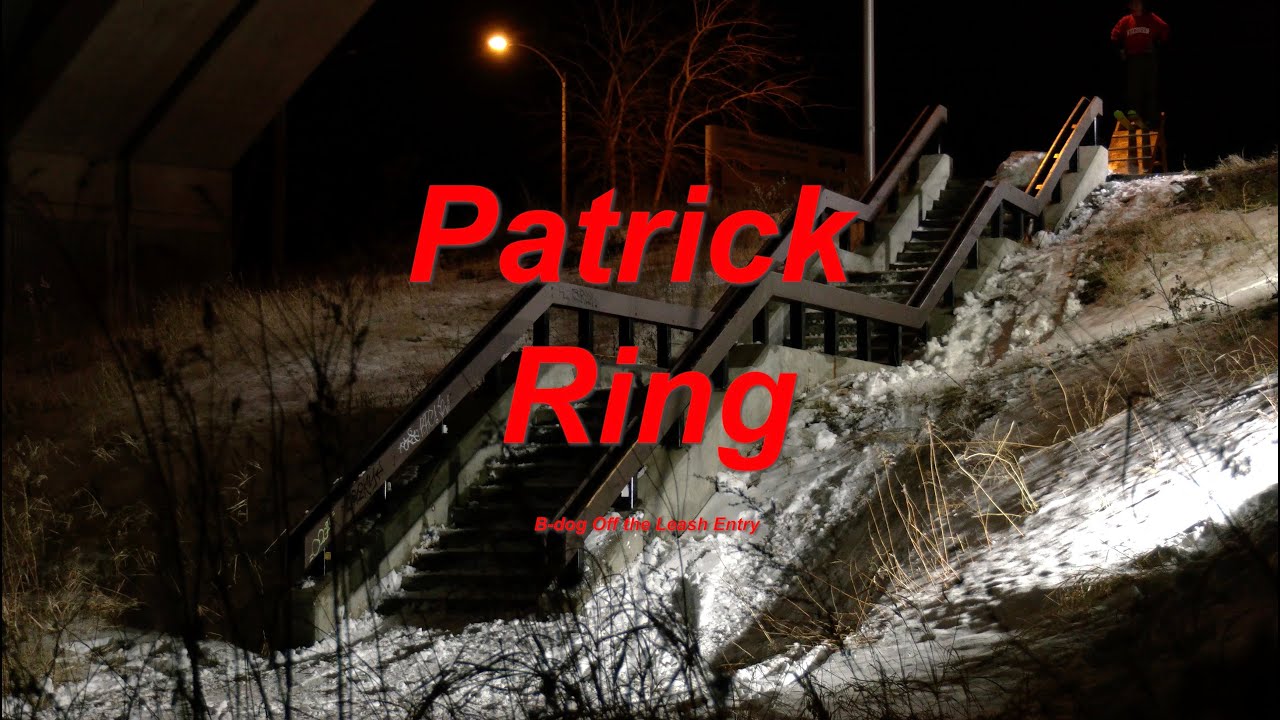
Ring skis—and films—with economy and definition. Approaches are tall and neutral rather than hunched; he sets rotation late and locks the grab early so the trick breathes on camera. On rails, he favors square, unhurried entries, presses held just long enough to be unmistakable, and exits with shoulders aligned so speed carries into the next hit. Surface swaps are quiet, with minimal arm swing; the base stays flat through kinks because he sets edge pressure early instead of rescuing late. On jumps and side hits, the hallmark is patience into the lip, a full-value grab before 180 degrees, and landings that read centered and inevitable. It’s a movement pattern that coaches love to show and riders can copy: calm entry, patient pop, early definition, quiet landing.
Resilience, filming, and influence
Ring’s influence flows through consistency across roles. As a skier, he made Wisconsin’s streets and rope-tow parks feel like viable classrooms, culminating in a dedicated street part that put local spots on the map and set a tone for his later work. As a filmmaker, he refined a practical visual grammar—stable frames, horizon awareness, and cuts that serve the skiing rather than mask it—which carried into “Daycare” and into the director’s chair for “Rendition.” The result is a catalog with unusually high replay value. Riders slow his clips to find repeatable checkpoints; park crews borrow his spot logic; and young skiers see a blueprint for turning modest speed and thin cover into memorable segments.
Geography that built the toolkit
Place explains the method. Southern Wisconsin’s night-ski culture—especially laps at Alpine Valley Resort with occasional missions near Wilmot Mountain—rewards repetition, accurate edge placement, and quick resets. Those habits translate directly to urban run-ins where you get one chance to be square. When Ring shifted focus west, the rail density and winter light around Salt Lake City added volume without sacrificing definition, while East-to-West film trips stitched in textures from Toronto’s stairsets to inland Northwest concrete. Each environment left a fingerprint: Midwest for precision and patience; Utah for volume and crew depth; road-film corridors for versatility under different snowpacks and lighting.
Equipment and partners: practical takeaways
Ring’s setup choices mirror his priorities. With LINE Skis he leans on press-friendly park platforms with predictable swing weight and enough backbone to stay composed on bigger takeoffs. Earlier years on Vishnu Freeski underline the same principle from a street-first angle: tools that accept a heavy detune at contact points yet remain honest for switch landings and slow-speed pop. For progressing skiers, the takeaways are concrete. Detune the tips and tails enough to reduce rail bite without dulling the lip; keep a near-center mount so presses and switch landings feel neutral; and choose a medium flex that bends without folding. Equally important is the process his films model: film your laps, compare shoulder alignment and hip-to-ankle stack against a clear checklist, and iterate until the movements become automatic.
Why fans and progressing skiers care
Fans care about Patrick Ring because his projects are built to last. The skiing reads clean in real time and even better at half speed, and the films preserve the street tradition—spots, shovels, timing—without nostalgia dragging the pace. Developing riders care because the same choices are teachable. If your hill is small, your winters are inconsistent, or your crew is learning how to turn ideas into edits, Ring’s blueprint—calm entries, patient pop, early grab definition, square-shoulder exits—turns limited speed and imperfect snow into confident, stylish skiing. In an era that values both culture and craft, his work with LINE Skis, his roots in Wisconsin night laps, and his road-film routes from the Midwest to Salt Lake City and Toronto make him a reliable reference for what modern street skiing should look and feel like.