Parkin Costain
Profile and significance
Parkin Costain is a Montana-born big-mountain freeskier whose career sits at the intersection of film, freeride competition and mechanized backcountry exploration. Raised in Whitefish and on the slopes of Whitefish Mountain Resort, he was skiing in a backpack before he could walk and chasing powder turns on his own skis by the age of two. From that foundation he built a path through junior big-mountain contests, video edits and film awards into a full-time role as one of the key young faces of modern freeride. By his mid-twenties he had already won the Quiksilver Young Guns contest, taken the Teton Gravity Research Grom title, filmed multiple marquee segments with Teton Gravity Research, and been crowned King at Jackson Hole’s Kings & Queens of Corbet’s.
Born in 1999, Costain has grown into the role of complete backcountry skier rather than a pure contest specialist. He rides for brands including SCOTT Sports, where he helped develop the SEA freeride skis, and has long-standing relationships with Black Diamond Equipment, Polaris snowmobiles and other backcountry-focused partners. Alongside his film work in TGR productions like “Far Out,” “Make Believe,” “Stoke the Fire,” “Magic Hour,” “Legend Has It,” “Beyond the Fantasy” and “Pressure Drop,” he continues to test his line choice and risk management in the competition environment as a Freeride World Tour rider and wildcard at stops like Kicking Horse. For fans and progressing skiers, he represents the archetype of the modern North American freerider: a rider shaped by small-town ski culture who now operates comfortably on some of the biggest faces on the planet.
Competitive arc and key venues
Costain’s competitive story starts early and far from TV cameras. Growing up in Whitefish, he began entering International Freeskiers and Snowboarders Association junior events while still in elementary school, traveling to venues like Big Sky to test himself on real big-mountain terrain. Success at those junior stops led to bigger stages, including age-group wins at Snowbird and other classic freeride hills, and by his mid-teens he had already learned how to manage nerves, snow conditions and judging formats. That experience under pressure fed directly into his entry into film contests, where his highlight edits started to stand out among a crowded grom field.
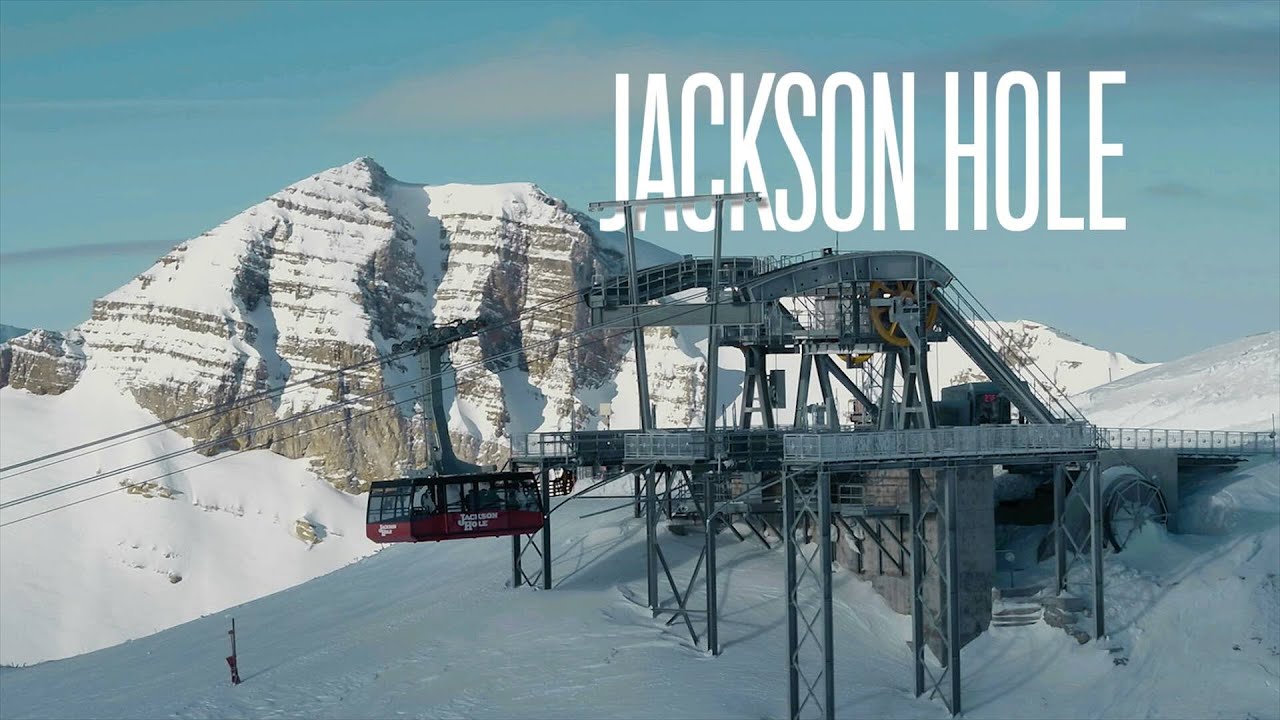
Video-based competitions became the bridge from junior contests to the professional world. Costain won the TGR Grom Contest as a teenager and later the Quiksilver Young Guns event with an edit that combined high-speed spine skiing, big drops and a polished sense of line. Those wins earned him invitations to film with Teton Gravity Research, culminating in his first major segment in “Far Out” and subsequent high-profile appearances in “Make Believe,” “Stoke the Fire,” “Magic Hour,” “Legend Has It,” “Beyond the Fantasy” and “Pressure Drop.” At the same time he kept one foot in the competitive arena, stepping onto the invitational stage at Jackson Hole’s Kings & Queens of Corbet’s, where in 2020 he took the men’s title with a now-famous run that opened with a double backflip into the couloir and stacked multiple tricks all the way down.
More recently, Costain has added the Freeride World Tour to his resume. As a ski men’s rider and event wildcard, he has dropped into venues like Kicking Horse Mountain Resort in Golden, British Columbia, putting down creative, high-risk lines that include large backflips in exposed zones. While his main focus remains film, those FWT appearances confirm that his approach holds up under the stopwatch intensity of live scoring and broadcast replays, and they place him directly alongside the strongest all-around big-mountain skiers of his generation.
How they ski: what to watch for
Parkin Costain’s skiing is defined by a rare blend of speed, composure and imagination. Watching his segments, the first thing that stands out is how fast he is willing to ski in consequential terrain; he often enters lines at race-level velocity, then controls that speed with powerful, high-edge-angle turns that still look loose and fluid. On classic Alaskan spines or steep interior-BC faces, he keeps his upper body quiet and stacked over the fall line, letting his legs absorb terrain changes and micro-transitions without ever really breaking flow.
His trick vocabulary is equally impressive but rarely feels forced. The double backflip into Corbet’s that helped win Kings & Queens is the headline moment, yet just as telling are the large, floaty backflips he throws mid-face in the backcountry, or the corked spins he adds at the bottom of a heavy line once the main hazards are past. Costain often builds an entire line around a few key features: a spine rollover that sets up a transfer, a rock gap that allows him to clear exposure, or a pillow stack where he can link multiple hits in one breath. He has a knack for using natural takeoffs and subtle wind lips that other riders might ski past, and he tends to land deep in the transition with immediate control rather than relying on a long outrun to shut things down.
For viewers studying his technique, it is worth focusing on how early he commits to direction changes and airs. He reads the terrain several moves ahead, so by the time he reaches a blind rollover or spine break he has already chosen his exact exit. That anticipation, plus his strong stance and willingness to keep his skis pointed down the hill, are big reasons his lines look both aggressive and composed.
Resilience, filming, and influence
Although Costain is best known for highlight reels stacked with perfect turns, his career also reflects a steady kind of resilience. From the outside his rise—from junior contests to grom edits to full TGR segments—can look meteoric, but behind it are years of long winters, occasional dry spells, travel setbacks and the constant uncertainty of backcountry conditions. Interviews and podcasts with him often circle back to the same themes: staying patient through stretches of bad weather, being willing to re-scout or scrap a line if conditions are not right, and balancing ambition with the hard limits that avalanche hazard imposes.
As a film skier, he has helped shape the storytelling direction of the projects he appears in. Movies like TGR’s “Magic Hour” and “Legend Has It” lean heavily into the magic of sunrise and sunset light and into the emotional connection riders build with their home ranges. “Beyond the Fantasy” goes further, spotlighting his first descents on intricate Alaskan “monospine” features that demanded exact timing and total focus. In parallel, the independent short “Burn: A Ski Film” gives him a chance to explore slightly different pacing and mood with a tight, crew-driven project. Through all of these appearances he is evolving from just “the young guy who skis fast” into a more complete on-screen character whose decisions and voice matter as much as his tricks.
Influence-wise, Costain occupies a sweet spot. He is young enough that current junior freeriders remember watching his early edits as kids, but experienced enough to be treated as a peer by long-time Alaskan veterans. For groms in towns like Whitefish or other smaller resorts, his path—local hill to regional contests to film and FWT—shows that you do not have to grow up in a mega-resort to reach the highest levels of freeride skiing.
Geography that built the toolkit
Costain’s skiing is inseparable from the geography that shaped him. The starting point is Whitefish Mountain Resort, where stormy days in the trees, off-piste gullies and small local cliffs gave him the chance to lap technical terrain with a tight crew. That environment encouraged creativity and comfort in low-visibility, high-snowfall conditions, the kind of everyday challenges that later make bigger mountains feel familiar. As he began traveling for junior contests, Big Sky became another classroom, with its Headwaters zone and other steep faces teaching him how to manage real exposure and long fall lines.
From there his map expanded rapidly. Filming with TGR has taken him to Cooke City and other deep-snow corners of Montana, to British Columbia’s Selkirks and Kootenays, to the massive relief of Jackson Hole Mountain Resort, and repeatedly to Haines and other parts of coastal Alaska, where he has now logged years of heli-assisted spine skiing. More recently, projects with SCOTT Sports sent him to the Andes of Chile, touring and flying around the high terrain above Lo Barnechea near renowned resorts like Valle Nevado. Each region layered new skills onto his base: storm navigation in Montana, chalky steeps in interior BC, massive vertical in Alaska, and mixed spring conditions in South America. The result is a skier whose line choices feel informed by a genuinely global range of snowpacks and mountain cultures.
Equipment and partners: practical takeaways
Costain’s equipment choices are tightly linked to his partnership lineup. As part of the freeride team at SCOTT Sports, he has been closely involved in the development and testing of the SEA series, including the SEA 116 that appears prominently in his Chile trip. That ski is built as a versatile powder platform with enough torsional stiffness underfoot for high-speed stability, but with playful tips and tails that suit his tendency to add spins, flips and transfers into otherwise serious lines. Paired with stout freeride boots, reliable touring-capable bindings and a quiver of backcountry-specific packs and poles from Black Diamond Equipment, his setup is designed to go from sled bumps to skin tracks to heli drops without major compromises.
Off the snow, his long relationship with Polaris underlines how central snowmobiles are to his skiing. Many of his Montana and British Columbia segments start with big sled days, moving deep into zones that would be unrealistic to lap on foot. For aspiring freeriders, the lesson is not that you must own a specific machine, but that motorized access, avalanche gear and communication tools are as much a part of the equipment picture as skis and boots when you start venturing into true backcountry terrain. Whatever their budget, skiers can take a page from his book by prioritizing trustworthy safety gear and a ski setup that feels intuitive in a wide range of conditions.
Why fans and progressing skiers care
Fans care about Parkin Costain because he represents a particularly modern vision of big-mountain skiing: fast, imaginative, grounded in small-resort roots and expressed through film as much as through podiums. His Kings & Queens of Corbet’s victory helped put his name in front of a broad audience, but it is the consistency of his film work—year after year of heavy lines with Teton Gravity Research and other crews—that has cemented his place in the sport. Each season he pushes into slightly more complex terrain, from Alaskan monospines to intricate pillow lines, while still skiing with the same stoked energy he had as a grom.
For progressing skiers, his career offers both inspiration and concrete lessons. He shows what can happen when strong fundamentals from a local hill are combined with a clear vision of the lines you want to ski and the stories you want to tell. Watching his segments with a critical eye, you can learn how to read spines, where to place speed checks, how to use features that other riders might ignore and how to save tricks for the parts of a line where you can land and ski away cleanly. Just as importantly, his interviews and behind-the-scenes edits highlight the patience, planning and humility required to make high-level freeride skiing sustainable over many seasons. That balance of ambition and respect for the mountains is a big part of why Parkin Costain has become one of the defining big-mountain skiers of his generation.