Martin Longhitano
Profile and significance
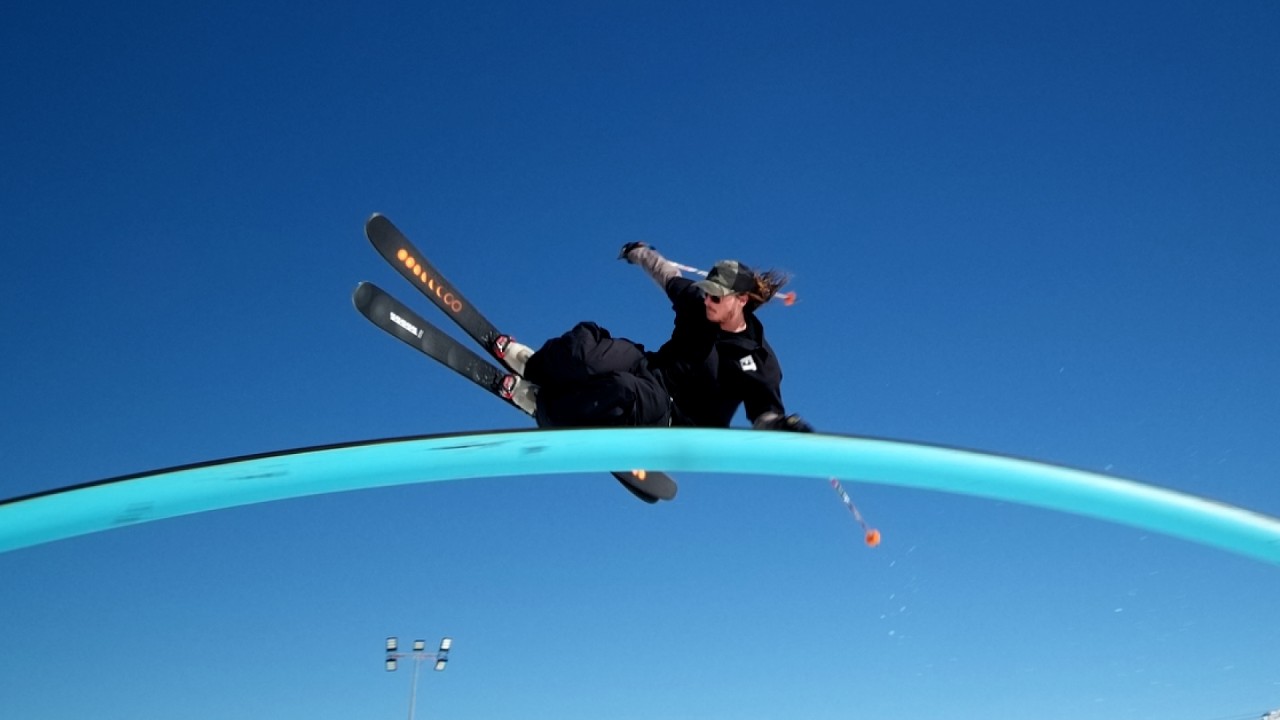
Martin Longhitano is an Australian freeski rider whose name has become synonymous with Perisher park laps, imaginative urban spots, and rider-led jam formats. He grew up in the Snowy Mountains scene and earned international attention as a Finalist at Level 1’s SuperUnknown in 2019, a proving ground where style, creativity, and trick selection matter as much as raw difficulty. Since then, Longhitano has pushed a distinctly Australian take on freeskiing: resourceful street projects filmed on thin snowpacks, smooth yet technical lines through Front Valley, and a knack for turning side hits into features. He sits in the wave of modern freeskiers who build reputation through edits and community-driven events rather than ranking points, and his work resonates with skiers looking for ideas they can apply on their home mountains.
While he is not a World Cup regular, Longhitano’s impact flows from projects and peer recognition. His street part “The Filth” broadened perceptions of what Australian urban skiing can look like, and his appearances at Jib League sessions showed he belongs in any conversation about contemporary rail craft and park flow. The result is a skier whose profile is measured less by medals and more by influence: clips that circulate, moves others copy, and features reimagined in parks from the Southern Hemisphere to the Alps.
Competitive arc and key venues
Longhitano’s breakout moment came with his 2019 trip to the SuperUnknown Finals hosted at Winter Park, which placed him on the international radar of filmers and riders. In the years that followed, he leaned into the rider-curated Jib League, where skiers are selected out of open jams to join invited pros for multi-day sessions. Those gatherings have run at European and North American venues, including Nordkette above Innsbruck, the Norwegian big-mountain playground of Myrkdalen, and California’s Sugar Bowl. The format suits his strengths: no stopwatches, no judges’ booths—just clean execution, originality on rails, and the ability to read a course quickly.
Back home, Perisher’s Front Valley park remains his laboratory. The slope’s line density and constant rebuilds reward skiers who see options in the in-between—knuckles, takeoff sides, unusual landings. Longhitano has filmed full-lap breakdowns and seasonal edits there, making Perisher the venue most closely associated with his name. When the Northern Hemisphere turns on, he has also chased park sessions in Austria’s Nordkette area above Innsbruck, where the tram-accessed skyline terrain and technical rail decks encourage precision at speed. Across these spots you can track his arc from promising park local to an edit-driven rider recognized beyond Australia.
How they ski: what to watch for
Longhitano’s skiing is built on economy and detail. On rails, he favors high-commitment landings like backslides and presses held just long enough to be obvious without killing momentum. Watch how he sets edge early to resist slide drift and then exits with shoulders square, a small tell that he’s managing edge pressure rather than reacting to it. His change-ups are understated—no wasted shuffle, minimal arm swing, clean base contact.
On jumps and side hits, the trademark is patience into the lip and grabs locked in before 180 degrees. He often stacks combos from smaller features that many riders ignore: switch-on taps, off-axis nollies, reverts placed late, and landings to switch that keep speed. The flow feels repeatable, which is why his clips are so useful for learning—slow them down, and you can see how he builds rotations from a neutral, centered stance instead of rushing the set.
Resilience, filming, and influence
Street skiing in Australia is scarcity management: short winters, sporadic snowfall, and a lot of brown grass in the frame. “The Filth” leaned into that reality with smart spot choice, creative shovel work, and tricks that read well on camera even without deep coverage. That willingness to make something out of limited conditions has become part of his calling card. In the park, his seasonal Perisher edits double as community touchstones—riders return to the same rails and try to decode his lines, then post their own versions.
At the rider-voted Jib League sessions, Longhitano’s performances and visibility reinforced his reputation among peers. The takeaways from those weeks—line reading, resilience over repeated attempts, and the social feedback loop of nightly video reviews—carry back into his public clips. He has also appeared in technique-oriented content that breaks down park features for developing skiers, making his influence both aspirational and instructional.
Geography that built the toolkit
Perisher’s Front Valley defines the foundation: quick rail decks, consistent takeoffs, and a flow that rewards linking tricks rather than showpiece one-offs. Add the urban textures of Australia’s streets, where thin cover demands accuracy and conserves speed, and you get the sharp edges of his rail game. When he crosses the equator, the exposure and gradient of Nordkette above Innsbruck compress decision-making into shorter windows, while the wider, more playful setups at Sugar Bowl and the natural features around Myrkdalen encourage variation in takeoff angles and grabs. Each location layers a skill: Front Valley for repetition and flow, urban for precision, and alpine tram parks for timing under pressure.
Equipment and partners: practical takeaways
Longhitano’s skiing is a masterclass in getting the most from a true park setup rather than chasing gear hype. Riders looking to follow his blueprint should focus on detuning contact points to reduce rail bite, setting a mount point that keeps the ski balanced for presses and backslides, and choosing a binding ramp angle that doesn’t force heel-heavy landings. Off-snow, structured reps—tramp work, balance drills, and video review—translate directly into the patient takeoffs and clean exits seen in his clips. For context on the creative lanes he values, Level 1’s SuperUnknown remains a benchmark for style-driven progression, and tutorial-minded brands like Ski Addiction show how foundational drills become on-snow habits.
Why fans and progressing skiers care
Martin Longhitano matters because he turns accessible terrain into high-level skiing. He reads Perisher-style parks the way a good street skateboarder reads a curb—seeing options others miss—and he proves that meaningful progression does not require the biggest jumps or a World Cup bib. For fans, he’s a reliable source of aesthetically pleasing rail work and edits that make you want to ski. For developing riders, his clips are a study guide in balance, speed control, and measured trick-building. If your winters are short or your parks compact, his approach is the blueprint for doing more with what you have.