Markus Boa
Profile and significance
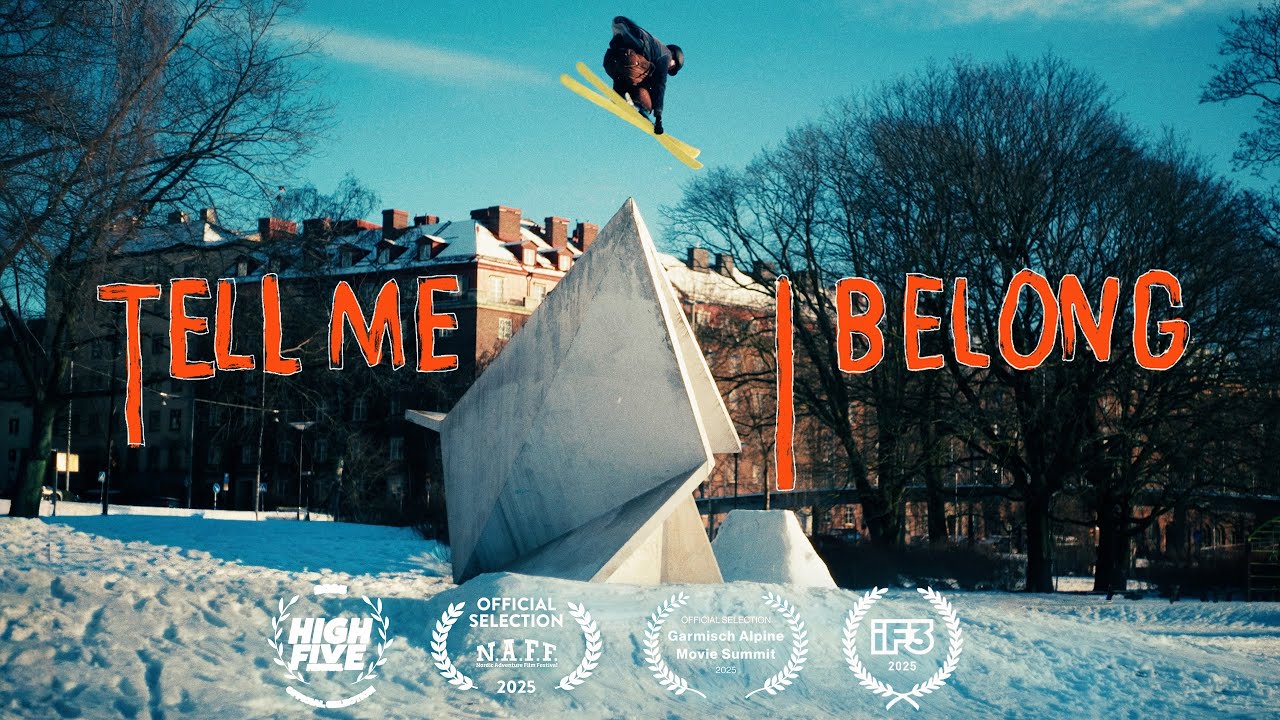
Markus Boa is a park and street skier rooted in the Danish and wider Scandinavian freeski scene, known for blending serious rail skills with a sense of humor that stands out on camera. He came up through small contests and local sessions before becoming part of the Bungee Breakers collective, a crew that has grown from local Copenhagen edits into one of the most visible names in European urban skiing. In recent years, Markus has stepped into the spotlight through his role in “Tell Me I Belong,” the Stockholm street film by Bungee Breakers that follows five friends on a winter-long mission. The film has been picked up by major festivals and core media, and reviews single out his crash-turned-comedy sequence in the intro as one of the most memorable moments in recent street skiing.
Beyond that standout project, Markus appears throughout the Bungee Breakers film catalog, including full-length releases like “SEE YOU SOON” and crew edits such as “POP THE COLLAR,” “HORNDOGS UNLIMITED,” “SUPER MOTIVATED” and “WHOLE LOTTA GANG SHIT.” These films take the crew from Danish dryslopes to Swiss glacier parks and Norwegian resorts, building a consistent picture of Boa as a rider who can adapt his skiing to whatever snow, plastic or concrete is available. Off the skis, his name also shows up in the credits of “THE LEAGUE – A Future for Freeskiing,” where he works on communications for the documentary that tells the story of the Jib League contest series. That mix of athlete and behind-the-scenes contributor makes him an increasingly important figure in the modern European jib world.
Competitive arc and key venues
Markus’s competitive arc starts at the grassroots level. An early highlight is a second-place finish in the ski junior category at the Badass Box Session in 2014, a rail contest in Aarhus, Denmark, where he shared the podium with other up-and-coming local riders. That kind of event is typical of his early years: small, core gatherings focused on rails, boxes and style rather than on official federation points. Those sessions helped him sharpen the timing, balance and creativity on metal that later became his trademark in films.
As the Bungee Breakers crew grew, Boa’s “arena” shifted toward more expansive stages. The Scandinavian Team Battle at CopenHill in Copenhagen, a dryslope showdown that brings national squads and invited riders to an artificial hill built on a power-plant roof, has featured him in multiple editions, with his name in the recap credits alongside other key figures from the crew. Bungee Breakers projects have also taken him to Swiss resorts like Laax for spring park laps and to Zermatt for summer glacier sessions, where the crew stacks clips among some of Europe’s most iconic peaks. In “Tell Me I Belong,” the key venue becomes the streets of Stockholm, where stairs, handrails and tight run-ins are turned into a full urban part that has been screened at festivals including iF3 and High Five. Taken together, his trajectory shows a rider whose competitive instinct is channeled into films and crew projects rather than ranking lists.
How they ski: what to watch for
On snow, Markus Boa skis like someone who has spent years figuring out how to make limited terrain interesting. He is first and foremost a rail skier: comfortable on down rails, kinks, close-outs and improvised handrails that were never meant to be skied. His approach is usually measured rather than reckless; he sets his speed early, lines up the feature with a centered stance, and lets subtle edge changes carry him through the tough parts. Where many riders would simply slide end to end, he tends to look for extra options, adding a press, a quick swap or a small redirect that uses the full length and height of the obstacle.
In edits from Laax and Zermatt, you see that same instinct applied to park features. Boxes become long canvases for butters and nose presses, and simple tubes turn into multi-step lines that might include a tap, a revert and a spin out, all kept within a smooth overall tempo. In “Tell Me I Belong,” the technical side of his skiing is balanced by his willingness to play with image and narrative. The much-talked-about crash sequence early in the film, followed by a deliberately composed reaction shot, shows a rider who is comfortable letting the camera capture both the rough attempts and the final make. For viewers, the most instructive details are how calm his upper body stays on rails and how quickly he regains balance after imperfect landings—two habits that separate sustainable street skiing from one-off hero shots.
Resilience, filming, and influence
Resilience is built into any street skier’s life, and Markus Boa’s trajectory is no exception. Urban clips and dryslope sessions require long hours of shoveling, repeated attempts and the ability to shrug off slams that would end a more casual rider’s day. The Bungee Breakers filmography shows season after season of that commitment: three days of street in Denmark for “BUNGEE BREAK,” long missions that combine backcountry and park in films like “VACAYZION,” Swiss glacier trips, and now the fully street-focused “Tell Me I Belong.” That he remains a regular face in these projects suggests not only technical skill but also a steady capacity to show up, keep morale high and keep trying when conditions are marginal.
His influence extends beyond his individual tricks. In “SEE YOU SOON,” he is credited not only as a skier but also for additional cinematography, contributing to how the film looks as well as how it skis. In “THE LEAGUE – A Future for Freeskiing,” he appears in the communication credits, helping tell the story of the Jib League movement to a broader audience. By moving fluidly between being an athlete, a camera contributor and a communications partner, Markus fits neatly into a generation of skiers who view filming, editing and promotion as part of the same creative process as hitting the rail itself. Younger riders who study the credits of these projects will see his name pop up in multiple roles, reinforcing the idea that building a place in core freeski culture often means contributing behind the scenes as well as in front of the lens.
Geography that built the toolkit
Geography plays a big role in how Markus skis. Coming from Denmark, a country with no high alpine resorts, he learned early to treat architecture and artificial slopes as his home mountains. Rail contests like the Badass Box Session in Aarhus showed what was possible when you import snow into the city, while the year-round slope at CopenHill provided a dedicated playground of plastic, rails and boxes, all wrapped around a power plant overlooking Copenhagen. On that synthetic surface, he and his crew could refine tricks all summer, experimenting with speed, balance and line choice without waiting for winter storms.
As his world expanded, the map added more traditional ski destinations. Spring sessions in the parks of Laax brought high-speed jump lines and long rail setups, offering new ways to test combinations and landings. Summer trips to Zermatt added glacier snow, early-morning hardpack and scenic backdrops to the mix, while the Bungee Breakers Open and other gatherings in Norwegian resorts like Trysil introduced bigger vertical and more varied park design. Most recently, “Tell Me I Belong” transported that toolkit to the streets of Stockholm, where long stair sets, sharp city angles and hard winter light gave his skiing a new visual tone. The common thread across all these locations is adaptability: Boa’s lines always feel tailored to the place, whether that place is a plastic slope on a city roof or a handrail buried in Scandinavian snow.
Equipment and partners: practical takeaways
Public information about Markus Boa focuses more on his crews and projects than on sponsor rosters, but his skiing makes it clear what kind of equipment priorities matter. Street and dryslope work demand skis with durable edges and bases that can survive repeated contact with steel, concrete and synthetic surfaces. A nearly symmetrical, park-oriented shape mounted close to center makes it easier to ride both regular and switch into features, to lock into presses and to recover from landings that are not perfectly aligned. Bindings need to be reliable enough to stay on through rough impacts but forgiving enough not to punish every sideways landing with a pre-release.
Outerwear and protection play a part as well. Long nights in cities and windy sessions on plastic are hard on clothing, so hard-wearing pants, jackets and gloves are more than just a style choice; they are part of making sure he can keep skiing after multiple falls. A helmet is non-negotiable when stairs and concrete are involved. For progressing skiers inspired by Markus and the Bungee Breakers projects, the practical takeaway is that a “street-ready” setup is less about chasing a specific pro model and more about choosing gear that is durable, predictable and comfortable enough to let you focus on the spot, the line and the trick.
Why fans and progressing skiers care
Fans care about Markus Boa because he represents a very current version of freeski culture: crew-based, film-driven and unafraid to mix serious skiing with self-aware humor. His segment in “Tell Me I Belong” captures that balance perfectly, combining heavy attempts, real slams and a now-famous joke shot that has been highlighted in coverage of the film. Across the broader Bungee Breakers catalog, he is part of a group that keeps pushing the Danish and Scandinavian scene into new spaces—artificial hills, small urban spots, glacier parks and festival screens—while staying grounded in friendship and shared effort rather than in individual ego.
For progressing skiers, especially those from flat regions or small hills, Markus offers a relatable blueprint. He started with junior contests and small sessions, leaned into urban and dryslope possibilities when big mountains were far away, and then used consistent work with a motivated crew to reach international audiences through films and events. Watching his clips, reading his name in the credits and following the evolution from early Danish street edits to high-profile festival films shows how far dedication to local terrain, good crews and creative ideas can take you. In that sense, Markus Boa is not just another name in the scrolling credits of a street movie; he is a clear example of how modern freeskiers can build meaningful careers from places that most people would never label as ski towns.