Kelly Hilleke
Profile and significance
Kelly Hilleke is part of a new generation of North American freeskiers pushing straight from junior freeride circuits into the sport’s biggest stages. Raised in Colorado and closely tied to the Aspen Valley Ski & Snowboard Club, he grew up as an all-round mountain kid, splitting time between skiing, kayaking, climbing and long days in the backcountry with his brothers. That mix of endurance, comfort in exposed terrain and a habit of building kickers in wild places now shows clearly in his competition runs and film shots. In just a few seasons he has moved from IFSA junior podiums into the upper tier of the Freeride World Qualifier and Challenger system, earning his place as a rookie on the FIS Freeride World Tour.
Hilleke’s rise has been fast but not accidental. Consistent wins and podiums at major IFSA events, including standout victories at venues like Telluride, Copper and Aspen, established him as one of the most reliable junior big-mountain skiers in the United States. On the Challenger tour he converted that promise into results, stacking points with wins at high-profile stops and finishing at the very top of the 2025 standings to secure his World Tour ticket. At the same time, he has become increasingly visible to a wider audience through his “Brothers in the Backcountry” projects, his own highlight edits and appearances in media from established platforms, positioning him as one of the key young names to watch in modern freeride.
Competitive arc and key venues
The competitive story starts with Hilleke as a junior athlete representing the Aspen Valley Ski & Snowboard Club. As a teenager he was already piling up results on the IFSA circuit, winning regional and national events and earning a reputation for composed, attacking runs. Those early seasons included victories at recognized junior venues and a strong showing at championship events, proving he could deliver under pressure against the best in his age group. Along the way he added ski mountaineering races such as Aspen’s demanding Power of Four to his résumé, sharpening his fitness and comfort moving fast in big terrain.
The next chapter came as he stepped into the Freeride World Qualifier and Challenger ranks. Wins at important stops such as the Kicking Horse IFSA Qualifier in British Columbia’s Rockies and the Whitewater Rerun Challenger event hosted at Arapahoe Basin showed that he was not just participating in the series, but shaping its storyline. By the end of the 2025 Challenger season he sat at the top of the Ski Men overall, officially punching his ticket to the 2026 Freeride World Tour. Coverage from freeride media highlighted the way he closed the season with back-to-back wins, underlining his ability to perform when the stakes are highest.
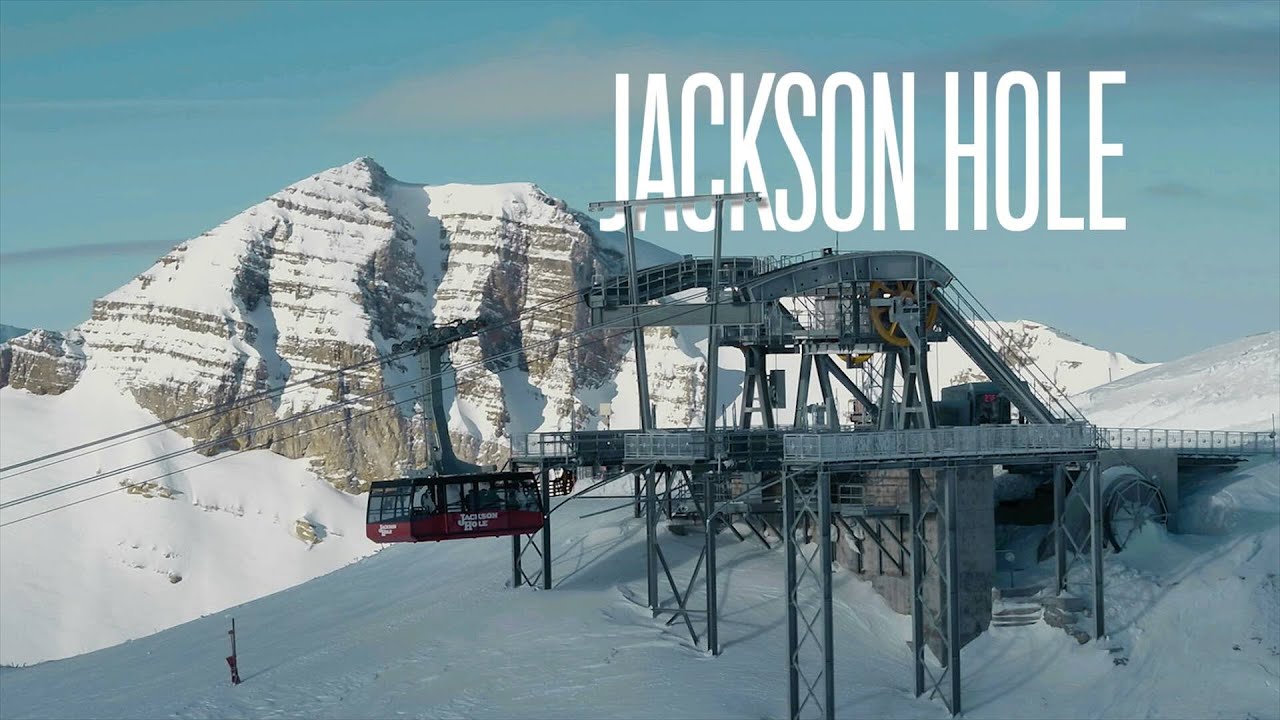
Key venues run like a map of modern big-mountain freeskiing. At home, Hilleke’s skiing is deeply connected to Aspen Snowmass and the surrounding Roaring Fork Valley, with Ajax, Highlands and Snowmass all providing steep faces, technical trees and freeride-friendly terrain. Through IFSA and Challenger events he has added places like Kicking Horse Mountain Resort, with its long, exposed ridgelines, to his skill set. Media projects have also brought him to iconic destinations such as Jackson Hole, where he features in segments shot with established film crews. Each of these mountains brings a slightly different flavor of steep, rocky, consequence-heavy terrain, and his competition record shows he can adapt quickly to all of them.
How they ski: what to watch for
Hilleke’s freeski style is built on fluidity and line vision more than showy body movement. He tends to ski with a relatively quiet upper body, centered stance and subtle angulation, letting the terrain and speed tell the viewer how serious the run is. On competition faces, he favors fall-line routes that maintain momentum, linking features into a single narrative rather than throwing isolated tricks. Look closely and you will see how he uses small terrain undulations to build speed into bigger airs, then controls landings with strong absorption and immediate re-centering.
Technically, he blends freeride power with a freestyle toolkit that comes from years of building and hitting jumps in the backcountry. Spins off natural takeoffs, clean grabs and well-timed shiftys appear frequently, but they rarely feel like add-ons. Instead, they are integrated into lines that still respect exposure and snow conditions. He is also comfortable opening up in high-speed, carved turns when the face allows it, then quickly shutting things down with precise slashes or side-slips above technical zones. Watching his runs is a lesson in how to make difficult terrain look logical and fun rather than chaotic.
Resilience, filming, and influence
Even early in his career, resilience is already a central theme in Hilleke’s story. Long days competing and training have inevitably brought crashes and injuries, including setbacks serious enough to threaten parts of a season. Instead of hiding those moments, he has been open about them in social posts and edits, showing the rehab work and mental reset needed to get back on snow. That transparency is part of what makes him relatable to younger riders watching their first freeride events; they see not only the podium photos, but also the process behind them.
On the media side, Kelly first appeared to many viewers through his family project “Brothers in the Backcountry,” where he and his siblings documented their missions on skis and in kayaks. Those episodes showed a teenager already comfortable in consequential terrain, as well as a creative approach to building features and connecting mountain sports. More recently he has stepped into higher-profile productions, including segments shot with Teton Gravity Research at Jackson Hole, where he appears alongside established pros in big-mountain settings. This mix of grassroots storytelling and polished film work has helped expand his influence beyond competition scoreboards, inspiring young freeskiers who want to blend contests, adventure and creativity.
Geography that built the toolkit
Hilleke’s skiing is deeply shaped by the geography of western Colorado. Growing up around Glenwood Springs and the Roaring Fork Valley gave him access not only to the four mountains of Aspen Snowmass, but also to peaks like Mount Sopris, where he has repeatedly climbed and skied long, committing lines. That kind of human-powered experience, on top of resort laps, builds a different kind of awareness: reading snowpack over full seasons, understanding how wind loads ridges and gullies, and learning how light and temperature change snow quality during a single day.
Beyond Colorado, his competition and adventure schedule has taken him across the Rockies and into Canada. Venues such as Kicking Horse Mountain Resort offer sustained steeps, complex start zones and exposure that demand precise line planning. Trips to other Challenger stops add variety in snowpack, from dry continental conditions to maritime storms, forcing him to adapt his approach to sluff, crusts and deep storm cycles. Off the snow, multi-day kayak descents like the Middle Fork of the Salmon River have reinforced his comfort with remote environments and decision-making under fatigue, traits that carry over into big-mountain skiing.
Equipment and partners: practical takeaways
As his profile has grown, Hilleke has aligned with a quiver of partners that reflect his freeride focus. On his feet he skis for Völkl, using modern freeride and freestyle-oriented skis that balance stability at speed with enough maneuverability for spins and directional changes in tight spots. Those skis are typically paired with bindings from Marker and boots from Dalbello, a combination that emphasizes reliable retention and precise power transfer on variable big-mountain snow.
For safety and fit, he relies on backcountry equipment from BCA and custom boot work from Surefoot, while outerwear from Obermeyer and his home-mountain connection to Aspen Snowmass round out the picture. For progressing skiers, the lesson is not to copy every logo, but to think in systems: strong, confidence-inspiring skis and bindings, boots that truly fit and avalanche gear you know how to use. Watching his edits, it is clear that he trusts his setup completely, which frees him to focus on reading the face and committing to his line.
Why fans and progressing skiers care
Fans gravitate to Kelly Hilleke because his story feels immediate and ongoing. He is young enough that viewers can remember seeing his junior results, yet already skilled enough to share start lists and film credits with some of the biggest names in freeskiing. His runs combine the directness of classic freeride with the playful touches of park and street influence, making them fun to rewatch whether you care about judging criteria or just want to see fast, creative skiing in serious terrain. Social media clips under his “kellysends” handle show both heavy lines and everyday training, inviting followers into the process rather than just presenting finished highlights.
For skiers who want to progress in big-mountain terrain, Hilleke offers a useful model. He built his foundation in a strong club program, added avalanche education and endurance from mountaineering and paddling, then stepped gradually through junior, qualifier and Challenger levels instead of rushing directly into the deepest end of the pool. As he enters his rookie Freeride World Tour season, each run will be watched not only for its score but for what it signals about the direction of modern freeride. Whether you are a junior competitor, a resort freerider or a fan of film-driven ski culture, following Kelly Hilleke provides a front-row view of how a modern all-mountain athlete can grow into the sport’s biggest arenas.