John Jackson
Profile and significance
John Jackson, often referred to simply as “John J,” is one of the defining freeride and backcountry snowboarders of his generation. Raised near Crowley Lake in California’s Eastern Sierra, he grew from a park kid lapping the towrope into a rider whose video parts helped shape modern big-mountain freestyle. Rather than chasing a long contest résumé, Jackson built his reputation through heavy film segments, unforgettable backcountry lines and a style that stays smooth even when the terrain is anything but. His riding in projects connected to brands such as Red Bull and long-form film work with crews like Forum and Brain Farm made him a reference name for anyone who cares about deep-snow progression and style.
What sets John Jackson apart is how many different corners of snowboarding he connects. He has the park fundamentals of a lifelong freestyler, the line-choice instincts of a dedicated freerider and the curiosity of an all-round mountain traveler. Double Rider of the Year titles from major snowboard media, Part of the Year honors and a lead role in his own episodic series, “The Book of John J,” have cemented him as more than just a strong pro. For many fans and up-and-coming riders, he is the example of how a modern big-mountain snowboard career can look without being driven primarily by podium counts.
Competitive arc and key venues
Jackson’s story starts in the park and pipe scene of California. As a teenager, he built his name by spinning and pressing his way through contests, learning the technical vocabulary of modern freestyle early. That contest background gave him timing, board control and comfort in the air, but he gradually shifted away from jerseys and bibs toward backcountry filming. Instead of chasing overall rankings, he chased storm cycles and film crews, taking his rail and jump skills into natural terrain where every hit has a different shape, landing and speed.
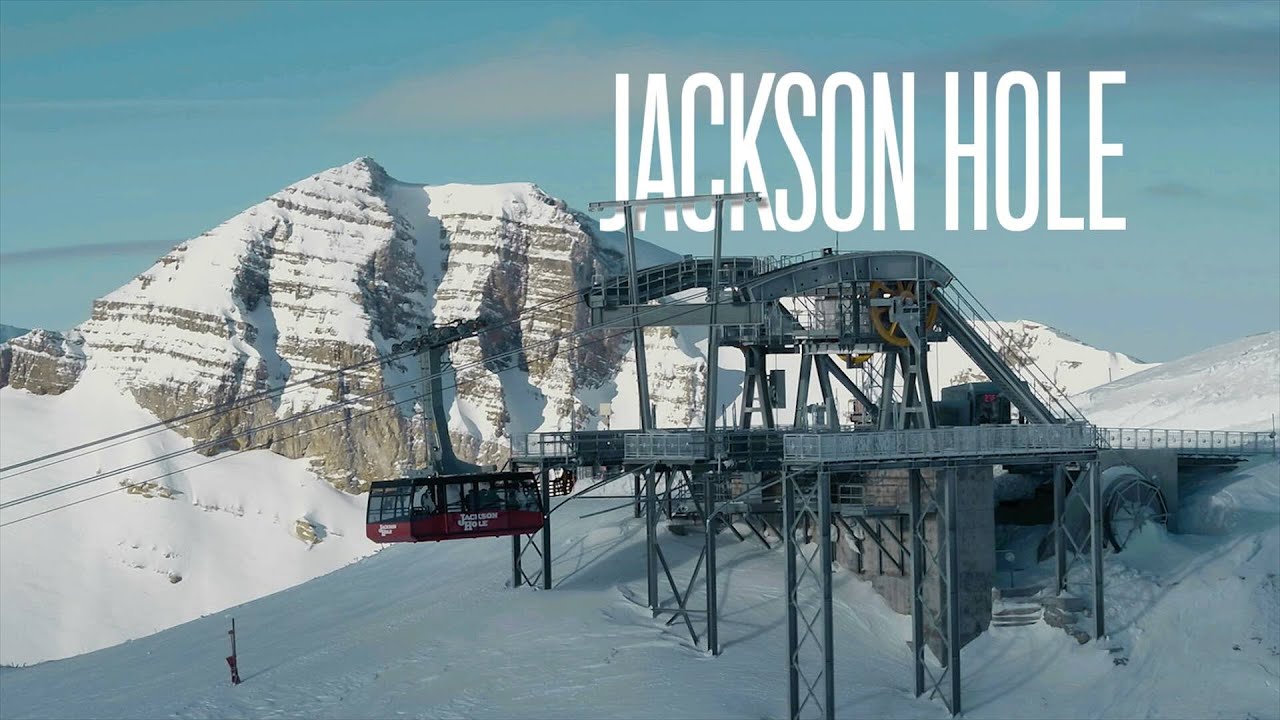
Key venues show up again and again in his story. Laps at Mammoth Mountain and nearby June shaped his early years, where deep Sierra snow and big park builds sit side by side. As his career evolved, he stacked seasons in British Columbia’s interior, the steep faces above Jackson Hole Mountain Resort, Alaskan spines and remote zones accessed only by sled or touring gear. He also appeared in high-profile invitationals and filming-focused trip projects that functioned like contests against the mountain itself rather than against a judge’s clipboard.
How they ski: what to watch for
Watching John Jackson ride powder is a lesson in how freestyle and freeride can merge without looking forced. His signature is a laid-back stance with plenty of board angle, long, surfy carves and then sudden, precise pop when he arrives at a natural takeoff. He tends to choose lines that link several features together rather than a single headline cliff, which creates runs that feel like full stories instead of one-trick clips. You will often see him float big frontside and backside spins into deep landings, land with speed and immediately flow into another feature or a slashing turn.
His style is relaxed in the upper body, with minimal arm movement even when he drops into steep, technical faces. That calm demeanor makes difficult lines look casual and is one reason filmers love shooting with him; the camera can sit back and let the terrain tell the viewer how serious the riding is. Whether he is riding pillows, spines or windlips, the common theme is commitment. He holds his line once he chooses it, trusts his board and enters features with enough speed that hesitation would be costly, yet everything still reads as playful rather than reckless.
Resilience, filming, and influence
Injuries have been a major chapter in John Jackson’s career. Serious knee and hip issues cost him prime seasons and forced long stretches of rehab, testing both his patience and his identity as a professional athlete. Instead of fading away, he used those years to reset his relationship with snowboarding, focus on longevity and eventually return to high-end filming when many riders might have quietly stepped aside. That comeback arc is woven into “The Book of John J,” where viewers see not just highlight clips but also the physical and mental work required to ride at a world-class level again after surgery.
Jackson’s influence reaches beyond video parts. Through travel-heavy series like “Brothers on the Run” with his brother Eric and collaborations with production companies such as Teton Gravity Research, he helped popularize the idea of road-trip- and story-driven snow projects that mix culture, adventure and heavy lines. His involvement with climate advocacy groups like Protect Our Winters adds another dimension: he is one of the riders using their profile to talk openly about snowpack, seasons and the long-term future of winter sports.
Geography that built the toolkit
Understanding John Jackson’s riding means understanding the geography that shaped it. The Eastern Sierra gives riders enormous vertical, wind-affected faces and storm systems that can dump deep, dry snow followed by bluebird high pressure. Growing up near that landscape meant young John could move from park laps to sidecountry hikes and back again in a single day. That environment taught him how cornices break, how Sierra wind forms ridges and spines and how to move through big terrain with both respect and confidence.
As his career expanded, he kept adding new “classrooms.” Seasons spent around Mammoth and the wider Mammoth Lakes zone built deep familiarity with volcanic volcanic-style features and terrain parks, while time in the Tetons around Jackson Hole introduced colder snow, more exposure and complex terrain traps. Trips to places like interior British Columbia and Alaska layered in sled access, heli-drop logistics and higher-consequence decision-making. The result is a rider whose line choice is clearly informed by decades of watching how mountains change from storm to storm.
Equipment and partners: practical takeaways
Jackson has worked with several major brands during his career, including energy drink partner Red Bull, outerwear and apparel companies like Under Armour and board manufacturers such as Sims. For viewers and progressing riders, the key takeaway is not the logo itself but how he uses his gear to unlock terrain. He favors freeride-oriented boards that still have enough twin influence to ride and land switch, paired with bindings and boots stiff enough for high-speed landings yet forgiving enough for long days of sledding, hiking and riding.
From a practical standpoint, watching John Jackson is a reminder that equipment choices should match the terrain and style you actually ride. If your goal is to take park tricks into soft landings and natural transitions, a board with a directional twin shape, solid edge hold and medium to stiff flex will usually serve you better than a pure jib stick. Good outerwear that stays functional through long snowmobile approaches and repeated powder slashes matters as much as board tech, especially in remote backcountry where staying dry and warm is part of staying safe.
Why fans and progressing skiers care
Even though he is a snowboarder, John Jackson’s approach resonates with skiers and riders across the spectrum because it shows how freestyle skills can grow into a lifetime of mountain exploration. Fans tune in for his effortless style in deep snow, his sense of humor and the cinematic trips that his projects document, but many stay because his story is relatable: early success, heavy setbacks, and a thoughtful rebuild that kept the joy of riding at the center. For skiers who are pushing into freeride lines or building their own backcountry skill set, there is a lot to learn from how he manages risk, reads terrain and still looks like he is having fun when the run truly counts.
For a platform focused on snow culture, John Jackson represents the bridge between classic video-part legends and modern, story-driven digital series. His segments are replayable both for hype and for study; viewers can watch how he sets up features, where he scrubs speed and how he treats every mountain as a blank canvas for creative riding. In that sense, his importance is not just in what he has already done but in how many riders he continues to influence every time a new crew presses play on his parts before heading into the mountains.