Jakob Ebskamp
Profile and significance
Jakob Ebskamp is a Danish freeski athlete, filmmaker and event architect who has become a central figure in the new wave of European street and dryslope skiing. Based around Copenhagen and the broader Scandinavian scene, he splits his time between hitting urban handrails, building creative dryslope setups and directing films that travel quickly through the core freeski world. Rather than chasing World Cup points, his influence comes from projects that skiers actually rewatch: tightly edited street movies, community-driven events and dryslope contests that turn an artificial hill into one of the liveliest arenas in modern freeski.
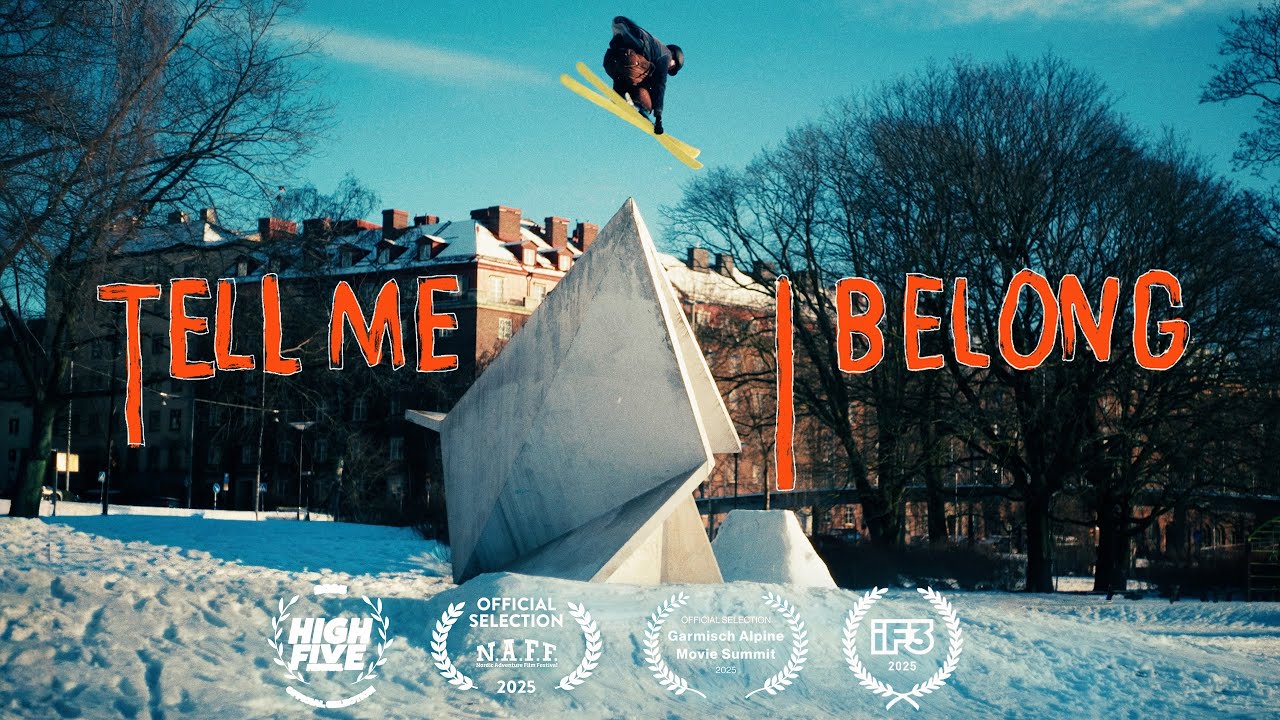
Ebskamp is best known as the director and driving force behind the Bungee Breakers crew, a Danish collective that describes itself as a creative playground for ski and snowboard films, events and installations. Their work ranges from early projects like “BUNGEE BREAK” and the full movie “Promised Land” to the Poland-based street film “Common Language” and, most recently, “Tell Me I Belong,” a Stockholm urban project that follows five friends on a street-ski mission. These films have moved from homie edits to festival programs at places like iF3 and High Five, establishing Jakob as both a capable skier and one of the most recognizable young directors in the European freeski scene.
Competitive arc and key venues
Jakob’s story is less about bibbed competition and more about building his own arenas. One of the key pillars of his career is the Scandinavian Team Battle, the summer dryslope contest held on the artificial ski run at CopenHill in Copenhagen. As event organizer and Team Denmark rider, he helped evolve the format into a festival-style showdown featuring national teams from across Scandinavia and beyond, complete with open qualifiers, live music and an afterparty on top of the city’s waste-to-energy plant. By 2025, the event was drawing over a thousand spectators and coverage from international outlets, with Ebskamp both competing for Team Denmark and editing the official highlight reel.
Alongside the Scandinavian Team Battle, he and Bungee Breakers have built their own snow-based festival calendar. The Bungee Breakers Open in Trysil, Norway, brings hundreds of Danish skiers and snowboarders to Norway’s largest ski resort, turning Trysil into a week-long mix of park laps, rail jams and late-night parties. Social posts from Jakob describe recent editions as some of the biggest Danish-led freestyle gatherings ever held in Norway, highlighting how far the project has come from its early, low-budget days. In between those anchor events, he appears in and helps organize smaller gatherings, pre-season trips and local sessions, tying the Danish scene together through both film and face-to-face meetups.
How they ski: what to watch for
On snow, or on plastic, Ebskamp’s skiing reflects the environments he rides most: dryslope features at CopenHill, tight Danish streets and compact urban zones in places like Stockholm and Polish cities. In films such as “BUNGEE BREAK,” “Common Language” and “Tell Me I Belong,” he gravitates toward rails, transfers and improvisational use of architecture rather than huge jumps. He approaches features with controlled speed, then squeezes as much as possible out of each spot, whether that is turning one handrail into multiple hits or adding a redirect off a wall before dropping into a landing only a few meters long.
What stands out is not just trick difficulty but how he treats each set-up as a small puzzle. Many of his clips are built around creative approaches rather than straightforward “A to B” slides: coming in from an unusual angle, using a ledge as a pre-hit before the main rail, or finding ways to turn short, flat urban zones into multi-stage lines. On the green dryslope at CopenHill, you see him adapt the same instincts to synthetic snow, using transfers between boxes, unusual entries onto tubes and playful features that show off the surface’s fast, consistent glide. For progressing skiers watching his work, the key detail is how often he finds a new way to ski a spot that others might have written off as too small or too awkward.
Resilience, filming, and influence
Resilience in Jakob’s case is closely tied to his role behind the camera. Street skiing and dryslope events both demand long hours and a tolerance for setbacks: rails dry out, weather changes, security shows up, and tricks that looked simple in the head take dozens of tries to put down. His films make that process look smooth, but the credits and event reports tell a different story, with him repeatedly listed as director, editor and organizer as well as athlete. “Common Language,” for example, followed four skiers from four different countries through nine intense days in Poland, navigating language barriers, thin snow and run-ins with local authorities while still rounding up enough clips for a full film. “Tell Me I Belong” brings the same persistence to Stockholm, this time with a five-rider cast and a narrative focused on camaraderie and shared hardship.
Those projects have made Ebskamp a reference point in core media. Line Skis has highlighted “Common Language” on its channels, and “Tell Me I Belong” has been picked up by major freeski outlets and festival programs, where it is described as one of the standout street films of the season. At the same time, Downdays, Freeskier and Newschoolers coverage of Scandinavian Team Battle repeatedly mentions him not just as a competitor but as the architect behind the event’s evolving format. For younger riders and aspiring filmmakers, that mix of roles makes him an influential example of how one person can help shape both the on-screen look of modern freeski and the real-world spaces where it plays out.
Geography that built the toolkit
Jakob’s toolkit is anchored in Denmark, a country better known for flat farmland than for alpine terrain. That limitation pushed him and his crew toward two key playgrounds: urban architecture and the man-made mountain of CopenHill. In Denmark’s cities, stairs, banks and short handrails become winter canvases once the snow arrives, providing the setting for early Bungee Breakers projects like “BUNGEE BREAK.” On CopenHill’s synthetic slope, he can ski year-round on Neveplast, refining rail tricks, speed control and creative lines on a hill wrapped around a power plant overlooking Copenhagen’s harbor.
Beyond home, his films track a widening circle of terrain. “Common Language” takes him and his friends to Poland, where they explore housing blocks, industrial estates and plazas that offer different shapes and snow textures than they find at home. “Tell Me I Belong” relocates the crew to Stockholm, where long stair sets and steep urban run-ins give the film its distinctive look. North of Scandinavia, the Bungee Breakers Open in Trysil anchors his winter in a true mountain resort, with park lines and classic Norwegian pistes giving a contrast to the flatland and dryslope environments of Denmark. Put together, those locations explain why his skiing looks so adaptable: it has been shaped by improvised spots in flat cities, by plastic slopes above Copenhagen and by big, snowy hills further north.
Equipment and partners: practical takeaways
While Ebskamp does not push himself as a traditional “signature pro” for a single ski brand, his projects reveal a network of long-term partners and event sponsors. Bungee Breakers films and film-fund materials emphasize collaboration with companies who believe in street and community projects, with recurring support from brands tied to the Scandinavian Team Battle and Bungee Breakers Open. At CopenHill, that includes the venue itself, whose urban mountain concept turns a waste-to-energy plant into a year-round playground for skiing, hiking and climbing. Dry-slope specialists and energy sponsors help make the Scandinavian Team Battle possible, while outerwear, ski and binding companies line up behind the athletes and the event’s media footprint.
For skiers looking at his work for practical lessons, the important point is not any one logo, but the way his hardware and partnerships are aligned with his goals. Street and dryslope segments demand skis with tough edges, durable bases and a flex pattern that allows repeated impact on steel and plastic without constant gear failure. Events like the Scandinavian Team Battle and Bungee Breakers Open rely on partners who understand that culture-building, crowd energy and creative formats matter as much as podium photos. If you want to follow a similar path, Jakob’s model suggests choosing equipment and supporters who actually fit the environments you want to ski, whether that is a synthetic slope, a downtown stair set or a snowpark in Norway.
Why fans and progressing skiers care
Fans care about Jakob Ebskamp because he represents a version of freeski that feels very current: crew-driven, media-savvy and deeply rooted in community. His films showcase real street missions with friends, not staged superpark shoots. His events at CopenHill and in Trysil turn contests into festivals that mix spectators, live music and late-night hangouts. And his own skiing, while rarely the loudest in the room, is consistently creative and thoughtful, emphasizing line choice and spot use over pure stunt value.
For progressing skiers, especially those coming from flat countries or small hills, his path is particularly relatable. Rather than waiting for big mountains to appear, he helped build a scene around the resources at hand: an artificial hill above a power plant, a handful of Danish streets, and a crew of friends willing to shovel and scheme for each clip. From there he moved into cross-border projects in Poland and Sweden, built festivals that draw international pros to Copenhagen, and created films that now appear in global festival lineups. Following Jakob’s work is not just a way to watch another street edit; it is a blueprint for how creativity, community and persistence can turn unlikely terrain into a serious freeski hub.