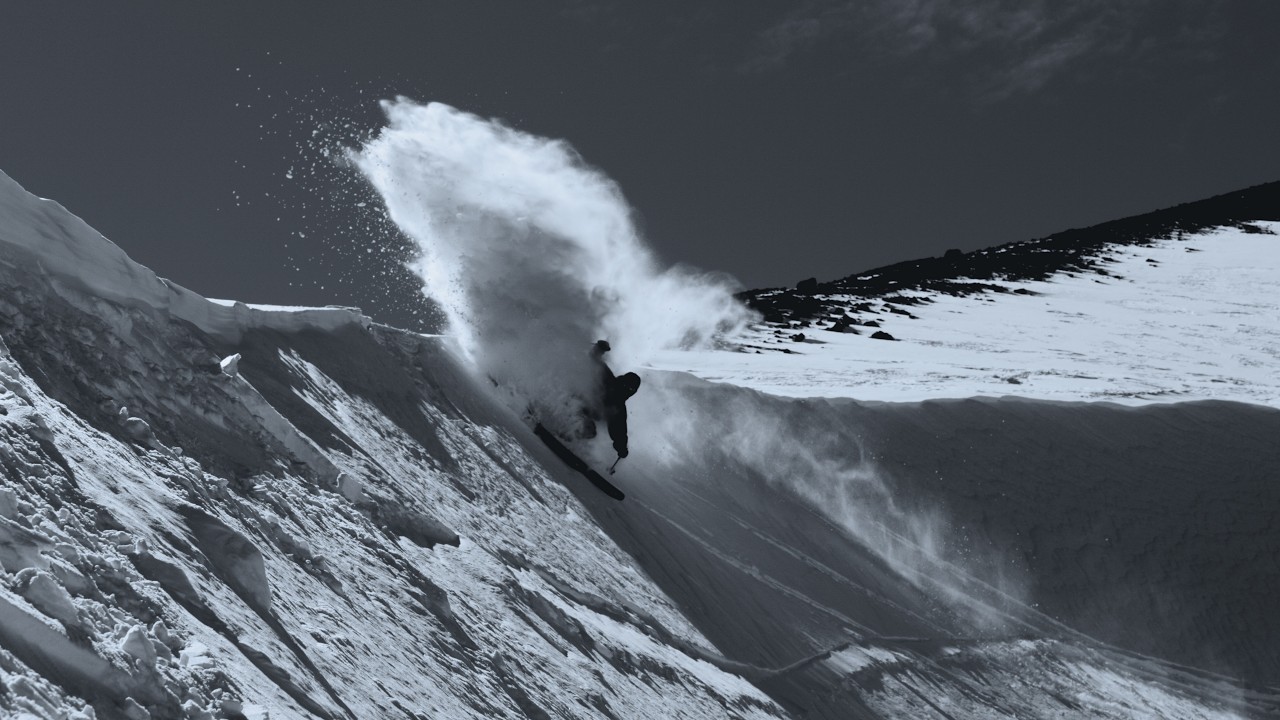
Benni Solomon
Profile and significance
Benni Solomon is a U.S. freeskier from Telluride Ski Resort whose story matters because it connects two worlds that don’t always overlap: structured competitive moguls and self-driven modern freeski filmmaking. He is listed by FIS as a freestyle athlete (born in 1997) with competitive results in moguls and dual moguls, and he later shifted his focus toward creative skiing, feature building, and film-style lines. That transition—training a disciplined, technical foundation and then applying it to freer, more expressive terrain—shows up in the way he approaches the mountain and why his edits resonate with skiers who care about style as much as difficulty.
Solomon’s visibility comes less from podium headlines and more from projects rooted in home terrain. A profile by Wagner Skis frames him as a Telluride native and former mogul competitor who kept progressing after stepping away from organized competition, ultimately releasing a film project titled “Recess” built around the idea of linking a continuous line on his home mountain. In today’s freeski landscape—where many athletes are defined by big-air trick lists or contest circuits—Solomon is an example of a skier building identity through local knowledge, purposeful filming, and a toolkit shaped by bumps and steep resort laps.
Competitive arc and key venues
Before the film-driven chapter, Solomon’s public record is clearest in moguls. On his FIS results page, he appears in multiple seasons of moguls and dual moguls competition, including Nor-Am Cup starts and a top-20 presence at the FIS Junior World Ski Championships in 2015. That same record also places him at North American competition venues that are synonymous with moguls development, including Deer Valley, Winter Park, and Killington. Those stops matter because they reflect a pathway built on repetition, judged technique, and the pressure of timed courses—skills that translate directly into the “make it clean every time” mentality needed for filming.
After leaving that circuit (the FIS listing marks him as not active), Solomon’s skiing became less about start gates and more about lines, terrain creativity, and the kind of progression that happens when you know every roll-over and wind lip on your home mountain. His recognized projects and public profiles are centered on Telluride and nearby zones, emphasizing the idea that key venues are not only contest sites, but also the day-to-day mountains where a skier’s style is built.
How they ski: what to watch for
If you’re watching Benni Solomon with a skier’s eye, start with how moguls training shows up even when he’s not on a course. Moguls produces fast feet, deliberate pole timing, and comfort absorbing uneven terrain at speed. In freer terrain, that often becomes a “quiet upper body, active legs” look—absorbing, redirecting, and staying balanced while the terrain changes beneath him. That’s a different kind of difficulty than a single contest trick: it’s consistency, flow, and the ability to keep form while moving through natural features.
Another hallmark is his attraction to continuous-line concepts—skiing sequences that don’t pause for resets and demand clean speed control, accurate takeoffs, and smart landings one after another. In the Wagner Skis profile tied to “Recess,” Solomon describes his home mountain as a place with steep bump runs, hike-to options, and linked features that naturally inspire that nonstop approach. For viewers, that means the most revealing moments are often transitions: how he carries speed into the next feature, how he chooses a safer or riskier entry, and how he keeps style intact when things get rough.
Resilience, filming, and influence
Solomon’s impact is most practical for skiers who care about progression outside the contest spotlight. His path highlights a common reality: many strong athletes step away from the competitive pipeline young, then keep improving through filming crews, personal projects, and relentless days on snow. The Wagner Skis conversation around “Recess” positions that shift as intentional—moving from a youth career centered on moguls to a broader vision that includes discovering hidden spots, shaping features with friends, and building a film concept around a single, continuous idea.
That matters culturally because freeski has always been a mix of competition and creativity, and the sport needs visible examples of skiers choosing the second path without needing medals to justify it. Solomon’s work leans into the craft side: choosing terrain, planning sequences, and building edits around the personality of a place. For younger skiers, it’s a reminder that “influence” can be local and still meaningful—especially when it encourages skiing with intention rather than chasing a generic highlight reel.
Geography that built the toolkit
Solomon’s skiing is inseparable from the San Juan region and the terrain surrounding Telluride Ski Resort. Telluride’s blend of steep pitches, mogul-friendly fall lines, and hike-to terrain rewards a well-rounded skier: you can develop precision on bumps, composure on steeps, and creativity in side hits and natural transitions within the same day. That variety is a powerful engine for a skier coming from moguls, because it offers endless ways to apply that foundation beyond a single discipline.
His filming footprint also connects naturally with nearby, more rugged terrain, including Silverton Mountain, which is often referenced alongside Telluride when skiers talk about developing confidence in bigger lines and more consequential snowpacks. Even when an edit centers on playful features or a local landmark, the surrounding geography encourages a certain attitude: ski fast, stay composed, and let the mountains shape the style.
Equipment and partners: practical takeaways
Solomon’s clearest public equipment association is with Wagner Skis, which has featured him as an ambassador and used his perspective to illustrate how a skier’s preferences evolve when they ski a single home region daily. In that interview, he describes caring about a balance many progressing skiers can relate to: stability at speed through chop, but enough playfulness to slash, pop, and maneuver in tight terrain. The useful takeaway is not that one spec fits everyone, but that the “best ski” is often the one that matches your daily mountain and the way you actually ski it.
For skiers trying to learn from his approach, pay attention to the logic behind the gear rather than the hype: a setup that encourages confidence invites more attempts, and more attempts create real progression. Solomon’s skiing—built on repetition, control, and then creativity—fits naturally with that mindset. The gear is a tool, but the real lesson is how deliberately he ties equipment choice to terrain, speed, and the demands of continuous lines.
Why fans and progressing skiers care
Benni Solomon is worth knowing because he represents a version of modern freeski that’s easy to overlook: the skier who built a high-skill base in moguls, stepped away from the contest treadmill, and continued to push forward through filming concepts rooted in real places. His FIS results show the competitive foundation; his work with Wagner Skis and his Telluride-centered projects show the creative evolution. For fans, that combination makes his skiing satisfying to watch because it’s controlled without looking robotic and expressive without feeling random. For progressing skiers, the blueprint is clear: master fundamentals, ski a lot of varied terrain, and build your own “why” around the lines you want to create.