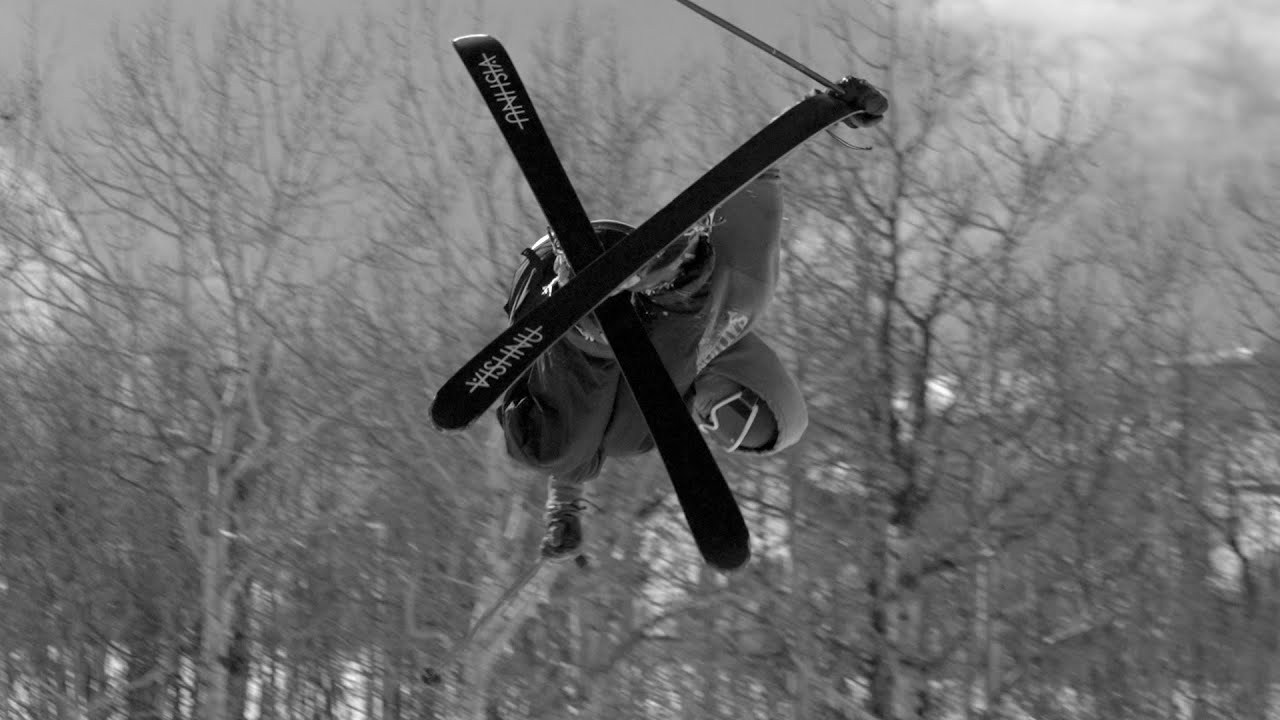
Vishnu ski
United States
Brand overview and significance
Vishnu Skis, officially branded as Vishnu Freeski, is one of the most influential street- and park-focused ski companies in modern freeskiing. Founded in the mid-2010s by Emmett Davis, Kale Cimperman and Dylan Manley, the brand was created explicitly as a “street skiing brand” at a time when most ski companies still treated urban and rail skiing as a side project. Instead of trying to please every segment of the market, Vishnu doubled down on one idea: build skis that make progressive jibbing, presses and urban filming as enjoyable and durable as possible.
The first model, the Wet, was designed around that mission—a soft, heavily rockered, symmetrical twin-tip you could press on city features, catch transitions on barriers and skate-style structures, and still trust on proper landings. From the beginning, Vishnu’s founders were also its filmmakers, riders and shovellers. That tight loop between design, testing and media has stayed central to the brand’s identity and explains why it has such a strong grip on the park and street community.
Today, Vishnu offers a compact but distinct line of skis—the Wet, Key, Wide, Plus and Tank—sold directly through its own online shop with shipping to North America, Europe and beyond. Its graphics, team edits and full-length projects show up regularly in core ski media and within street-heavy films on platforms like skipowd.tv. For many park skiers and urban crews, “Vishnu” has become shorthand for a particular style of riding: low-impact but high-precision rail work, heavy press game, and film-first creativity.
Product lines and key technologies
Vishnu’s ski range is deliberately tight, with each model mapped to a specific flavour of freestyle. The Wet is the original street and jib ski: fully symmetrical in shape, heavily rockered in the tip and tail with camber underfoot, and tuned around a flex pattern that is very soft in the ends and firmer under the boot. That combination makes manuals, butters and presses straightforward while keeping enough backbone for real features and solid landings.
The Key was introduced as a more jump-oriented complement within the same philosophy. While still a true twin with park geometry, it is built to feel more composed on larger jumps and higher-speed park features, with a slightly stronger flex pattern and a platform underfoot aimed at stability on takeoffs and landings. Riders looking for a ski they can take through slopestyle-style jump lines without losing Vishnu’s rail feel often gravitate toward the Key.
The Wide pushes the concept out to roughly 106 mm underfoot, making it one of the widest true park skis on the market. It is designed for skiers who split time between rails, side hits and softer snow—spring slush, chopped powder, and creative resort terrain. You still get Vishnu’s playful flex and jib-first geometry, but with more surface area to stay loose in variable conditions. The Plus and the Tank round out the collection: the Plus as a refined, energetic park platform for skiers who want pop and liveliness without going fully into the street-only category, and the Tank as a stout, versatile twin aimed at riders who hammer rails but also want to blast around the mountain.
Under the topsheet, Vishnu keeps the tech story simple but effective. The skis use a bamboo/poplar wood core, full sidewall construction and textured topsheets chosen for impact resistance rather than showroom sheen. Rocker-camber-rocker profiles are tuned per model, but the through line is consistent: enough camber underfoot to hold an edge and land with confidence, and generous rocker with a carefully shaped flex pattern in the tips and tails to make presses and transitions predictable instead of sketchy.
Ride feel: who it’s for (terrains & use-cases)
Vishnu skis are built first and foremost for park and street skiers who see rails, walls, banks and transitions almost everywhere they go. The Wet is the clearest example: it feels light, loose and incredibly easy to manipulate at low and medium speeds. Presses lock in without fighting back, surface swaps feel natural, and buttering through rollers or cat-tracks takes very little effort. On smaller jumps and medium-size park tables, the ski still has enough support to stay reliable, but the sensation is always playful rather than locked-in and race-like.
Step up to the Key and the ride feel shifts toward stability while retaining Vishnu’s DNA. You still have a true twin, jib-friendly ski, but with more backbone underfoot and a flex pattern that encourages taking bigger jumps and longer rail features with confidence. This makes sense for riders who film in parks at places like Mammoth Mountain—featured in skipowd.tv’s Mammoth Mountain guide—or who spend a lot of time on large slopestyle-style lines and still want the looseness and creativity that define street-influenced riding.
The Wide, Plus and Tank are for skiers who blur categories even further. The Wide’s extra width allows you to ski slushy spring parks, early-season piles and off-piste side hits without feeling under-gunned, while still being fully capable on rails. The Plus is ideal if you want a responsive park ski that pops hard and feels comfortable across the whole resort, and the Tank suits heavier or more aggressive riders who demand the same durability and geometry but with more muscle underfoot.
Team presence, competitions, and reputation
Vishnu’s reputation is built around its riders and films rather than contest podium counts. From the early days, the brand’s founders and team—people like Kale Cimperman, Dylan Manley and Luke Roberts—were in the streets filming full parts, not just posting product clips. That culture has continued with modern projects such as “Tears of Joy” and a steady stream of team edits that focus on technical rail skiing, creative lines and urban features built from scratch.
At the same time, Vishnu now appears under the boots of high-profile athletes who move between film segments and big-stage events. Some of the riders featured on skipowd.tv, including Ferdinand Dahl and a new generation of park and street specialists, ride Vishnu twins in park edits, SLVSH games and independent films. Their skiing showcases the skis in real-world settings: rail gardens in North America, night sessions in Europe, contest-adjacent park laps and street trips filmed over multiple winters.
Within the park and street community, Vishnu has earned a reputation for being authentic and rider-run. Its media output leans into humour and DIY aesthetics without losing technical depth, and the brand is heavily present on core channels such as NewSchoolers, Instagram and crew-driven film tours. For many skiers, choosing Vishnu is as much about aligning with that culture as it is about choosing a particular flex or sidecut.
Geography and hubs (heritage, testing, venues)
Vishnu’s roots are tied to the North American freestyle scene, particularly rope-tow parks, midwestern and eastern resort setups, and the broader U.S. park circuit documented in skipowd.tv’s USA overview. Early testing grounds included locations where riders could log hundreds of rail hits per week: small hills with dense park infrastructure, night skiing and reliable tow lines, plus western hubs around Utah and the wider Wasatch region, covered in skipowd.tv’s Utah guide.
As the brand has grown, its skis have become a common sight in park and street edits filmed across the United States, Canada and Europe. Riders on Vishnu frequently appear in projects shot at large freestyle venues like Mammoth’s Unbound parks, as well as in compact, rail-heavy setups in Scandinavia and central Europe. Finnish night parks and city spots, such as those featured in skipowd.tv’s Finland location profile, are natural matches for soft-tipped, durable twins that thrive under artificial light and long sessions.
In practical terms, this means Vishnu skis are tuned by environments where repetition and creativity matter more than pure vertical. The brand’s team spends much of their time lapping parks, building urban features and returning to the same spots day after day to get a clip. That feedback loop has a direct impact on sidecut choices, rocker lines and durability decisions.
Construction, durability, and sustainability
Construction is one of the key reasons Vishnu has such a devoted following. The skis use a bamboo/poplar wood core for a balance of liveliness and strength, combined with full sidewalls and a rocker-camber-rocker profile. On models like the Wet, the shape is fully symmetrical—same dimensions tip and tail—with significant rocker at both ends and camber underfoot. The flex pattern is carefully tuned: very soft in the rockered zones for butters and presses, with a firmer section under the binding to prevent washouts when landings are clean.
Edge and topsheet durability are recurring themes in independent reviews and rider feedback. Vishnu’s edges are designed to tolerate extensive rail use, and the textured topsheets resist chipping better than many high-gloss finishes. The brand’s emphasis on street and park means that skis are expected to survive constant detuning, repeated stair-set impacts, close contact with concrete and days spent jibbing rocks, benches and boxes. Many riders point to the way Vishnu skis keep their structural integrity even after they look cosmetically beaten.
On sustainability, Vishnu operates as a small, focused manufacturer rather than a mass-volume producer. That naturally pushes the brand toward longer product lifecycles—riders often keep a pair of Wets or Wides for many rail-heavy seasons—rather than frequent replacement. By concentrating on durable construction and a limited model range, the company avoids over-extending into disposable categories. While it does not market itself primarily as an eco-brand, the combination of longevity, relatively small production runs and a focus on skis that can handle real abuse all contribute to a less wasteful approach than constantly cycling through fragile park skis.
How to choose within the lineup
Choosing the right Vishnu model comes down to how and where you ski. If your season is dominated by rails, low-speed jibs, manuals, butters and creative side hits—especially in smaller parks, rope-tow setups or street spots—the Wet is the natural first choice. Its soft tips and tails, heavy rocker and symmetrical geometry make it extremely forgiving for presses and surface swaps, while the camber underfoot keeps it from feeling completely loose on landings.
If you still love rails but spend more time on bigger jumps, slopestyle lines or high-speed park laps, the Key is worth a close look. It offers Vishnu’s trademark feel with more support underfoot, making it better suited to bigger speeds and longer landings. Riders who film both urban and park can use the Key as a one-ski quiver: strong enough for jump sessions, loose enough for technical rail work.
The Wide, Plus and Tank are the right picks if you want Vishnu’s style but need broader coverage. Choose the Wide if you ride slushy spring parks, soft-snow side hits or mixed all-mountain days where a 100-plus-millimeter underfoot width makes sense. The Plus fits skiers who want a lively, energetic park ski that still feels comfortable across the resort, and the Tank is best for heavier or aggressively charging riders who appreciate a sturdier flex pattern without leaving the freestyle twin world. Across all models, Vishnu generally recommends central or near-central mounting to keep the skis feeling balanced for switch skiing and multi-directional tricks.
Why riders care
Riders care about Vishnu because it feels like a brand built from within the park and street scene rather than from the outside. The founders still shovel, film and ski; the team videos look and feel like the sessions many core skiers wish they were on; and the skis themselves are unapologetically tuned to that environment. When you buy a pair of Vishnu skis, you are not only getting a specific flex and shape—you are buying into a culture of film-driven progression, DIY features and long nights under park lights.
For the skipowd.tv audience, Vishnu is a clear reference point whenever you see highly technical rail segments, creative street lines or dense park edits featuring rope-tow laps and urban missions. The brand’s presence under riders who appear in multiple projects across North America and Europe helps connect distant scenes into a shared language of how modern park and street skiing should look. If you prioritize feel on rails, presses and side hits, value durability over disposable trends, and want skis that have been shaped by the same kind of riding you watch every day, Vishnu Skis is one of the most relevant brands in the game.