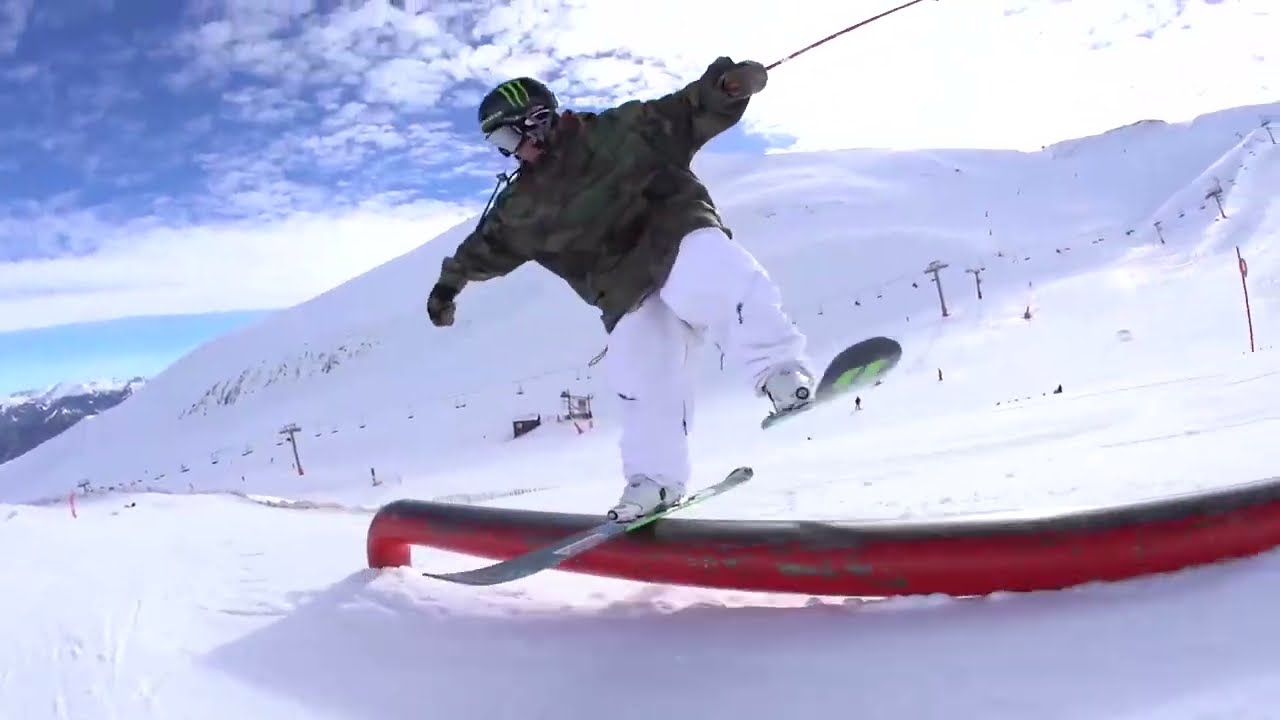
El Tarter Snowpark
Pyrenees
Andorra
Grandvalira freestyle venue in Andorra | Known for: 1.3 km park line, longest module line in the Pyrenees, El Tarter sector access, Red Bull Night Rider, Àliga World Cup slope and links to Sunset Park Henrik Harlaut | Season: December to April depending on snow and park build | Best for: park riders, rail crews, jump progression, filming days and skiers using Grandvalira as a freestyle base
El Tarter’s 1.3 Kilometer Freestyle Spine
El Tarter Snowpark sits inside Grandvalira’s El Tarter sector in Andorra, on the central Pyrenees side of the Soldeu El Tarter ski corridor. Grandvalira describes the park as 1.3 kilometers long, with routes, modules and areas designed for different levels. That length is the venue’s defining fact. This is not a single rail pad or a short side park beside a piste. It is a long freestyle spine where riders can link multiple features, manage speed through changing terrain and build a full run rather than one isolated trick.
The sector itself gives the park more weight. Grandvalira calls El Tarter one of the most dynamic areas of the resort, and the park line is described as the longest line of modules in the Pyrenees and among the longest in Europe. For freeskiers, that means El Tarter is not only useful because it exists in Andorra. It is useful because its format lets riders practice continuity: rail to jump, jump to rail, turn to speed check, then reset and repeat.
Grandvalira Park Culture From Daylight To Peretol Nights
El Tarter belongs to a wider Grandvalira freestyle system. The official snowparks page presents Grandvalira as Southern Europe’s only resort with three snowparks, including one night park. That matters because El Tarter is the daylight anchor, while Sunset Park Henrik Harlaut in Peretol gives riders a floodlit second session after normal resort hours. A serious park trip can therefore run in two chapters: build lines in El Tarter during the day, then move to Peretol for rails, jibs and compact night filming.
Sunrise Park Xavi adds the progression layer at Grau Roig. That three-park structure is the real Andorran advantage. Sunrise Park Xavi supports smaller features and confidence building. El Tarter gives the long freestyle run and stronger daylight identity. Sunset Park Henrik Harlaut gives the night-lap media look. Together, they make Grandvalira a park network rather than one isolated freestyle zone.
Zones By Level And A Park Built For Repetition
Grandvalira presents El Tarter Snowpark as a place for skiers and snowboarders of different levels, and that progression structure is essential to the venue’s function. A park this long only works if riders can choose appropriate lines. Beginner and intermediate features let skiers build takeoff timing, landing habits and rail comfort before moving toward bigger jumps or more technical modules. Stronger riders can focus on linking features with enough speed and cleanliness to make the whole line count.
The terrain rewards consistency more than one-off bravery. A skier who lands one trick but loses speed for the next feature has not solved the line. El Tarter teaches the opposite: carry speed without rushing, stay centered through compressions, land with direction, and make the next module possible. That is why long parks are so valuable for video and progression. They expose the difference between a trick and a run.
Red Bull Night Rider At The Foot Of El Tarter
Red Bull Night Rider gives El Tarter a current event identity beyond normal park laps. Grandvalira’s event page placed the 2026 edition at the base of the El Tarter sector, next to Hotel Llop Gris, with elite skiers and snowboarders riding a nighttime freestyle setup. That location matters. The event does not happen in a hidden side zone. It uses the visible lower part of the sector, turning El Tarter into a public freestyle stage.
The format fits the venue’s character. Night Rider is built around energy, visibility and technical features rather than long freeride lines. A rail, stair setup, pull jump or compact jib sequence can feel bigger under lights because the crowd, music and camera angles compress the action. For skipowd.tv, this gives El Tarter a strong media hook: it is a park that can host high-profile freestyle at night while still serving normal progression laps during the day.
Àliga Speed Racing Beside The Freestyle Scene
The El Tarter sector is not only a freestyle zone. The Àliga slope gives it major alpine racing weight, and the official Audi FIS Ski World Cup Andorra 2026 program placed World Cup speed racing on the iconic Àliga piste in Grandvalira. That contrast is useful for understanding the area. On one side, El Tarter has a long freestyle line for rails, jumps and park repetition. On the other, the same sector carries a race venue built for high speed, precision and international broadcast standards.
For park skiers, the racing infrastructure is not the main reason to come, but it raises the sector’s credibility. A venue that can handle World Cup speed preparation usually has serious grooming, slope maintenance, access planning and event operations. That operational strength helps the freestyle side indirectly. Park shaping and race preparation are different skills, but both depend on snow management, machine work and a crew that understands how to keep a slope functional under pressure.
Henrik Harlaut’s Andorra Park Route
The verified skipowd.tv page for El Tarter Snowpark currently carries “Snowpark Skiing In Andorra - Henrik Harlaut,” linking the venue to Henrik Harlaut, Harlaut Apparel Co, Sunrise Park Xavi and Sunset Park Henrik Harlaut. That internal connection gives El Tarter a precise archive role. It is part of Harlaut’s Andorra park route, not just another anonymous resort park.
Harlaut’s skiing makes sense here because the venue supports style and repetition. A long line lets a rider build rhythm instead of chasing one isolated stunt. The surrounding Andorra network adds more options: Sunset Park for night jibs, Sunrise Park Xavi for smaller features and the wider Grandvalira terrain for cruising, side hits and transitions. El Tarter is the daylight center of that system, where a skier can work through several features before the edit cuts to Peretol or another sector.
Sector Access And Grandvalira Flow
El Tarter is practical because it sits directly in Grandvalira’s resort flow. The sector has base-area access, parking, lodging nearby and lift links toward Soldeu, Grau Roig and the larger domain. A park crew can base in El Tarter and still move across the resort when weather, wind or feature status changes. That flexibility matters in the Pyrenees, where snow surfaces can shift quickly between cold mornings, sunny afternoons and refrozen evenings.
The best daily plan starts with the park status. If the long line is fully shaped and the weather is clear, El Tarter can carry most of the day. If wind or visibility affects jump features, rail mileage becomes the smarter target. If the park is crowded or the crew wants night footage, Sunset Park Henrik Harlaut becomes the evening move. A good Grandvalira freestyle day is not rigid. It follows the build, the snow and the light.
Pyrenees Snow And Spring Park Timing
El Tarter’s season usually follows the broader Grandvalira winter, with December to April as the main operating frame depending on snow and conditions. Midwinter gives the best cold-snow reliability for speed and landings, especially from January into early March. That is the safest window for riders who want a mature park line, firmer in-runs and consistent feature maintenance.
March and early April can be excellent for filming when the park build is developed and light lasts longer. Spring surfaces can make landings more forgiving, but timing becomes more important. A feature that skis perfectly at 10 a.m. may run slow after sun exposure or too fast after a freeze. El Tarter rewards riders who check speed carefully and adjust throughout the day. The length of the line makes small speed errors accumulate quickly.
Park Safety In A Long Line Venue
El Tarter’s main safety issues are park specific: speed control, blind landings, feature spacing, rider traffic and changing surfaces. The longer the line, the more important communication becomes. A skier should inspect the setup before sending, watch how other riders clear features, call drops clearly and avoid stopping in landings or on knuckles. Filming crews should stay out of traffic lanes and never block the next feature in a sequence.
Helmets, controlled speed and patience matter more than ego here. A long park can tempt riders to keep going after a sketchy landing, but the smarter move is to reset. El Tarter is built for repetition, so there is no need to force every feature in one run. Clean laps, predictable movement and respect for reshapes keep the venue useful for everyone: beginners, local riders, pros, snowboarders, freeskiers and visiting crews.
The El Tarter Snowpark Reason For Freeskiers
El Tarter Snowpark matters because it gives Andorra a true daylight freestyle flagship. The 1.3 kilometer line creates rhythm. The Grandvalira network adds Sunrise Park Xavi and Sunset Park Henrik Harlaut. Red Bull Night Rider gives the sector a public freestyle event identity. The Àliga slope adds World Cup-level mountain infrastructure. The skipowd.tv archive links the park directly to Henrik Harlaut and Harlaut Apparel Co.
For skipowd.tv, El Tarter Snowpark deserves a 4/5 venue profile. It does not have the video volume of Sunset Park Henrik Harlaut or the global terrain scale of a full region like Andorra, Austria or Colorado, but it is one of the most important park-specific locations in the Pyrenees. The strongest editorial angle is precise: El Tarter is Grandvalira’s long-line freestyle engine, built for progression, filming, technical repetition and smooth movement between daylight park laps and Andorra’s night-session culture.