Shaun Mittwollen
Profile and significance
Shaun Mittwollen is an Australian adventure skier, backcountry specialist and photographer based in Tasmania. He is best known for chasing steep, remote lines in places that most skiers barely associate with snow at all, from the jagged dolerite of Cradle Mountain to the wild plateaus and peaks along the Overland Track. Rather than pursuing slopestyle podiums or big air contests, he has built his reputation by documenting serious backcountry skiing and human-powered expeditions, pairing strong technical skiing with a distinct visual style that has appeared in international outdoor media and brand stories.
Through his photography and writing he has become one of the key modern interpreters of Tasmania’s backcountry, as well as of deep winter in Japan and select missions on mainland Australia. Features on steep descents in Tasmania, stories about wild weather windows, and collaborations with backcountry-focused brands have turned him into a reference point for skiers who are more interested in committing lines, complex logistics and untouched terrain than in competition circuits.
Competitive arc and key venues
Mittwollen’s “competitive arc” has unfolded less in start gates and more in the kind of terrain where you compete with exposure, weather and your own decision-making. He has been part of high-end descents in Tasmania’s most iconic ranges, including steep couloirs on Cradle Mountain where slopes reach angles far beyond typical resort black runs. Lines like the “Cradle Snatcher” couloir have been documented as 300-metre, forty-plus-degree adventures framed by high rock walls, demanding a blend of mountaineering skills and big-mountain skiing judgement rather than trick-based park ability.
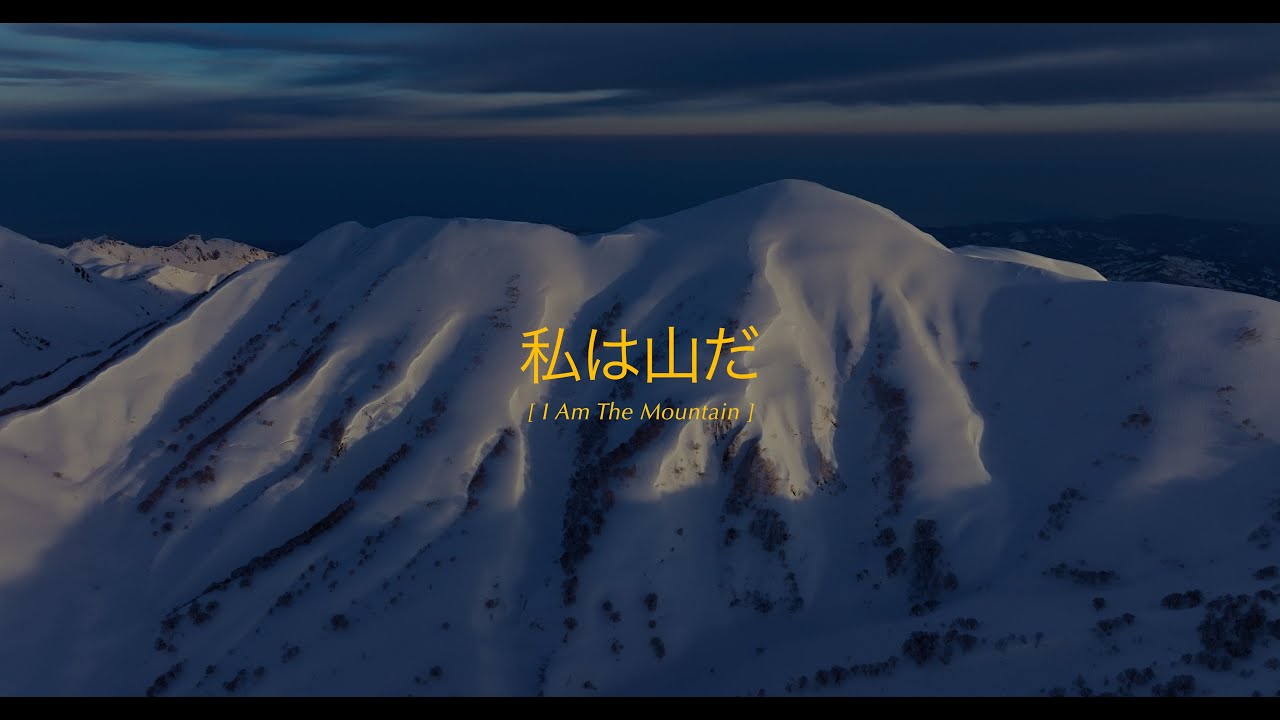
He has also explored mainland Australia’s backcountry, including classic lines on peaks like Mount Feathertop in Victoria, where narrow gullies and corniced ridges turn the short Australian winter into a focused season of steep skiing. Internationally, his work and skiing have extended to Japan’s Northern Alps and the deep snow belts around Nozawa Onsen, where he has combined ski touring with extended photo projects and film trips. A notable recent objective was a multi-day traverse from the high country around Myoko all the way to the Sea of Japan, summiting and skiing major volcanic peaks along the way and documenting the mission for a dedicated film project.
How they ski: what to watch for
Mittwollen’s skiing is defined by his comfort in consequential terrain. Instead of massive spins or park-influenced rail tricks, the standout element is how quietly he moves through steep faces and narrow couloirs. When you watch footage of his descents, you see deliberate speed control at the top of a line, then a series of well-timed, compact turns that let the skis bite into variable snow without over-committing. On pitches that push toward fifty degrees, a small miscalculation can mean serious consequence, so his style prioritises stability over showmanship.
His background in chasing powder in Japan and technical snow in Tasmania shows in his ability to adjust to different snowpacks. In light, deep snow he opens up his turns and uses subtle slashes to manage sluff. In heavier, coastal or thaw-refreeze conditions he tightens his radius and keeps his upper body calm, letting the skis pivot beneath him. For progressing skiers, his runs are a masterclass in reading terrain and using safe “islands of stability” on a slope, turning where the snow and shape of the mountain are most forgiving rather than where the camera angle is flashiest.
Resilience, filming, and influence
Operating mainly in Tasmania means working with short, volatile weather windows and limited lift access. Mittwollen’s stories often describe long approaches to reach the snow line, then only a few hours where conditions are good enough to ski a line safely before temperatures or wind shift. That reality has forged a high level of resilience: repeated trips where the end result is a single short descent or no skiable snow at all, balanced against the occasional perfect day when all the elements align and a new line finally goes.
Alongside his skiing, his photography and writing for outdoor brands and magazines have amplified his influence. Collaborations with companies like Hyperlite Mountain Gear showcase not only his skiing but also his eye for dramatic, moody mountain light, from aurora displays over Tasmanian peaks to dusk views from remote ridges. By sharing both the successes and the logistical grind behind these trips, he has helped shape how many backcountry-curious skiers think about exploratory skiing, risk management and the patience that steep, remote terrain demands.
Geography that built the toolkit
Mittwollen’s skill set is a direct product of his chosen playgrounds. Tasmania’s mountains, including the dramatic spires and plateaus of Cradle Mountain–Lake St Clair National Park, offer relatively low altitudes but intense weather and highly technical terrain. Narrow dolerite couloirs, wind-scoured ridges and rapid freeze–thaw cycles mean he has had to learn to interpret complex conditions, judge when a line is safe enough to ski and know when to walk away.
Beyond Tasmania, time spent in Japan’s deep snow zones—especially around Nozawa Onsen—has given him a contrasting environment where storm cycles can stack metres of light powder. There he has refined his powder skiing and honed his photography in some of the world’s most reliable winter conditions. Mainland Australia’s alpine zones, such as the backcountry extending from Kosciuszko National Park, add yet another layer of experience: long rolling approaches, broad faces and subtle terrain traps that reward endurance and route-finding. Together, these geographies have produced a skier who can adapt from icy Scottish-style couloirs to bottomless Japanese tree lines with equal confidence.
Equipment and partners: practical takeaways
Mittwollen’s gear choices mirror his commitment to long, human-powered missions. His partnership with Hyperlite Mountain Gear centres on ultralight, ski-ready packs designed for multi-day traverses and steep approaches, allowing him to carry full avalanche safety equipment, mountaineering tools and camera gear without excessive weight. In interviews he has highlighted the way a well-designed pack can make the difference between moving fluidly over long distances and arriving too exhausted to ski a demanding line safely.
On the equipment side for skiing, he typically favours robust touring or freeride setups with reliable bindings, crampons and an ice axe, emphasising that for steep Tasmanian and Japanese objectives, security matters more than shaving off the last few grams. His camera kit, often centred on a high-resolution mirrorless body and versatile wide-to-telephoto lenses, allows him to document both close-up action and sweeping landscapes. For skiers looking to follow in his footsteps, the practical takeaway is not to copy his exact setup but to prioritise gear that supports your objectives: avalanche equipment you know how to use, boots and skis that handle variable snow and a pack system that you can carry comfortably all day.
Why fans and progressing skiers care
Fans are drawn to Shaun Mittwollen because he shows that world-class adventure skiing does not only happen in the obvious places. Through his images and stories he turns Tasmania, mainland Australia and lesser-known Japanese peaks into arenas for serious, aesthetically powerful skiing. For viewers who are already comfortable in resort terrain and are starting to look beyond the ropes, his work provides both inspiration and a realistic sense of the commitment required to move safely into the backcountry.
For progressing skiers, his trajectory demonstrates that you can build a meaningful role in the ski world by combining strong skiing with storytelling, photography and a willingness to explore. His lines are impressive, but just as influential is the way he documents the entire process: planning, hiking, waiting on weather and, when conditions finally line up, making careful, committed turns in serious terrain. In an era where many skiers see only polished clips from big-name resorts, Mittwollen’s work reminds the community that some of the most rewarding skiing lies in overlooked mountains, accessed on foot, with a small team, a solid plan and a deep respect for the environment.