Oscar Blyth
Profile and significance
Oscar Blyth is a Canadian freeski rider and coach born in 2000 whose path runs from FIS starts into clear, practical tutorial work for everyday park skiers. Official records list him as Canadian and currently “not active” on the competitive roster, a status that mirrors his visible pivot toward coaching and educational media. In recent seasons he has fronted technique pieces for Ski Addiction and taken his camera-and-laptop toolkit to Innsbruck, where the density of parks and riders makes it easy to film, iterate, and teach. Off the hill, Blyth became a thoughtful voice on recovery after brain injury, fundraising with Brain Canada and using his own return to sport to emphasize patience, process, and sustainable progression.
Competitive arc and key venues
Blyth came up through Canada’s park-and-pipe pipeline with a mix of slopestyle, big air, and halfpipe starts. Early evidence sits in the Canada Cup Big Air stop held in Whitehorse, where the course at Mount Sima hosted the 2018 season opener; Blyth placed mid-pack, the kind of first step that teaches contest rhythm and wind calls. The following winter, he reached the men’s halfpipe final at the Toyota Revolution Tour Elite at Mammoth Mountain (March 16, 2019), finishing 19th on the Super Duper Pipe. Those North American venues—Whitehorse’s compact, efficient build and Mammoth’s high-alpine airflow—explain how his technical habits formed: read the setup quickly, define each movement, and preserve speed for the next feature.
As his focus shifted, Blyth’s “results” became projects more than podiums. He graduated from the University of Victoria and moved to Innsbruck to chase filming blocks and creative work while continuing to ski and coach. The transition shows up in the way he structures tutorials: contest-learned clarity applied to park laps that most skiers can actually ride.
How they ski: what to watch for
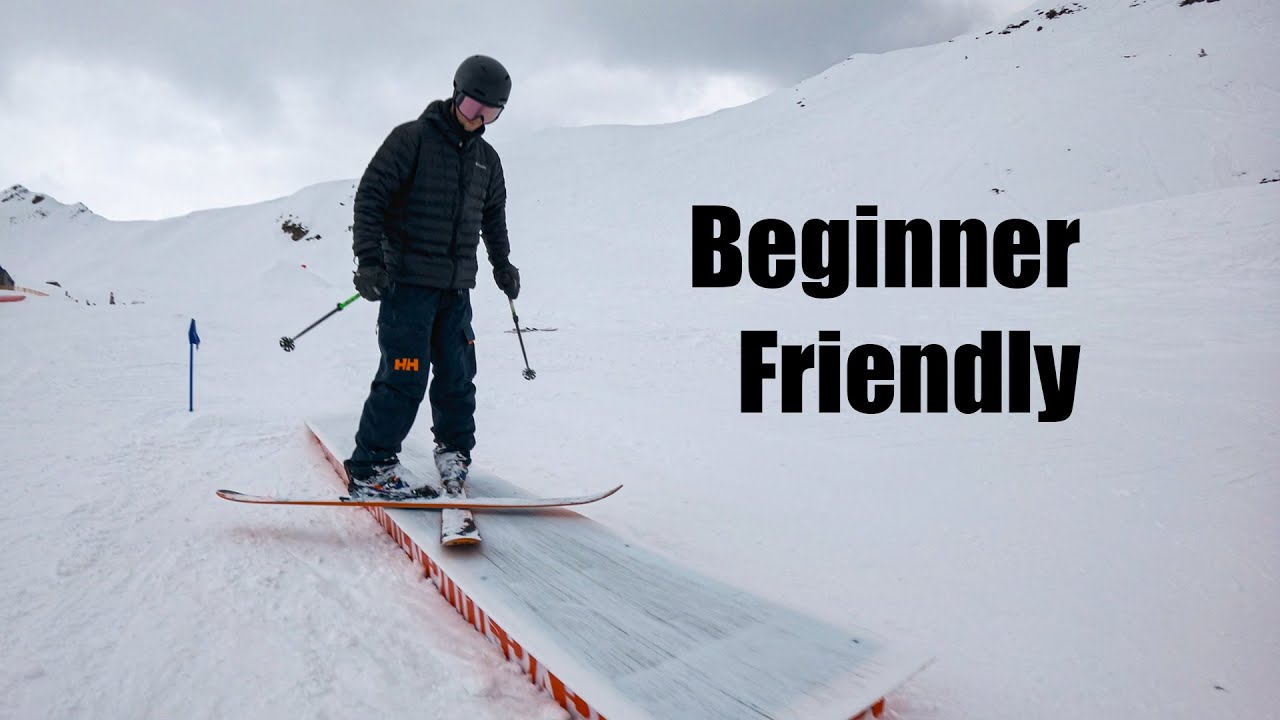
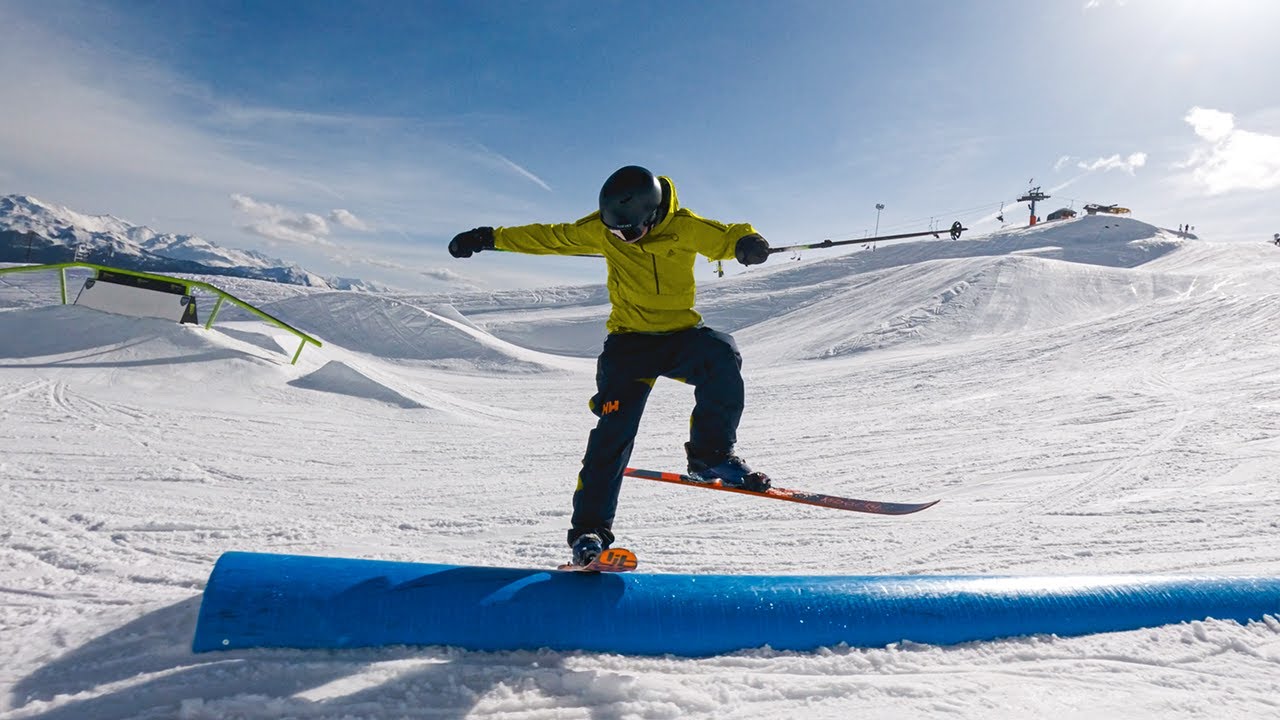
Blyth’s skiing is deliberately teachable. Into a takeoff he stays tall and neutral, sets rotation late, and locks grabs early so the trick breathes without rushing. On rails he prefers entries that are square and defined, presses held long enough to read on camera, and exits where the shoulders stay aligned so momentum carries into the next hit. He uses minimal arm swing, sets edge pressure early to keep the base flat through kinks, and lands with soft ankles so recoveries look unnecessary. It’s the kind of movement language you can slow down, copy, and repeat on your next park lap—exactly why his tutorials resonate.
Resilience, filming, and influence
A run of head injuries forced Blyth to rebuild carefully, and he chose to narrate that process publicly. His 2023 marathon fundraiser with Brain Canada framed recovery as a series of small, consistent wins—habits that carry directly into park progression. On the media side, his pieces with Ski Addiction distill fundamentals into short, replayable chapters: switch approach mechanics, patient pop, clean grab definitions, and quiet shoulders on exits. The cumulative effect isn’t hype; it’s competence. Riders who follow along get a blueprint for stacking reliable skills without overreaching.
Geography that built the toolkit
Venue footprints tell the story. Whitehorse’s Mount Sima rewarded repetition and precise speed control during the 2018 Canada Cup opener. Mammoth Mountain layered in halfpipe timing, long decks, and wind management under California’s big-sky conditions. Relocating to Innsbruck added the rhythm of Central European park laps—quick resets, consistent lighting, and a deep local crew—which accelerates filming and feedback cycles. Each place left a visible fingerprint on his skiing: efficient setups, patient takeoffs, defined grabs, and exits that preserve speed.
Equipment and partners: practical takeaways
Blyth’s public work leans on training tools as much as hardware. The actionable lesson is to make your setup fit your process. A true park ski with a balanced, medium flex lets you press without folding and land centered when you come in switch. Detune contact points enough to reduce rail bite while keeping dependable edge hold on the lip. Keep binding ramp angles neutral so the stance stays stacked. Off snow, the progression loop he models—structured drills and video review via resources like Ski Addiction—turns good intentions into automatic habits you can trust when conditions change.
Why fans and progressing skiers care
Fans get clean, calm skiing that looks good in real time and even better slowed down. Progressing riders get a study guide from someone who has lived both sides of the sport—bib on, and camera on. If your local park looks more like Mount Sima’s efficient lines than a mega-resort build, or if you’re piecing together confidence after a setback, Blyth’s blueprint—patient setups, early grab definition, quiet exits, steady volume—shows how to move forward with style and consistency.