Nevin Tarnowski
Profile and significance
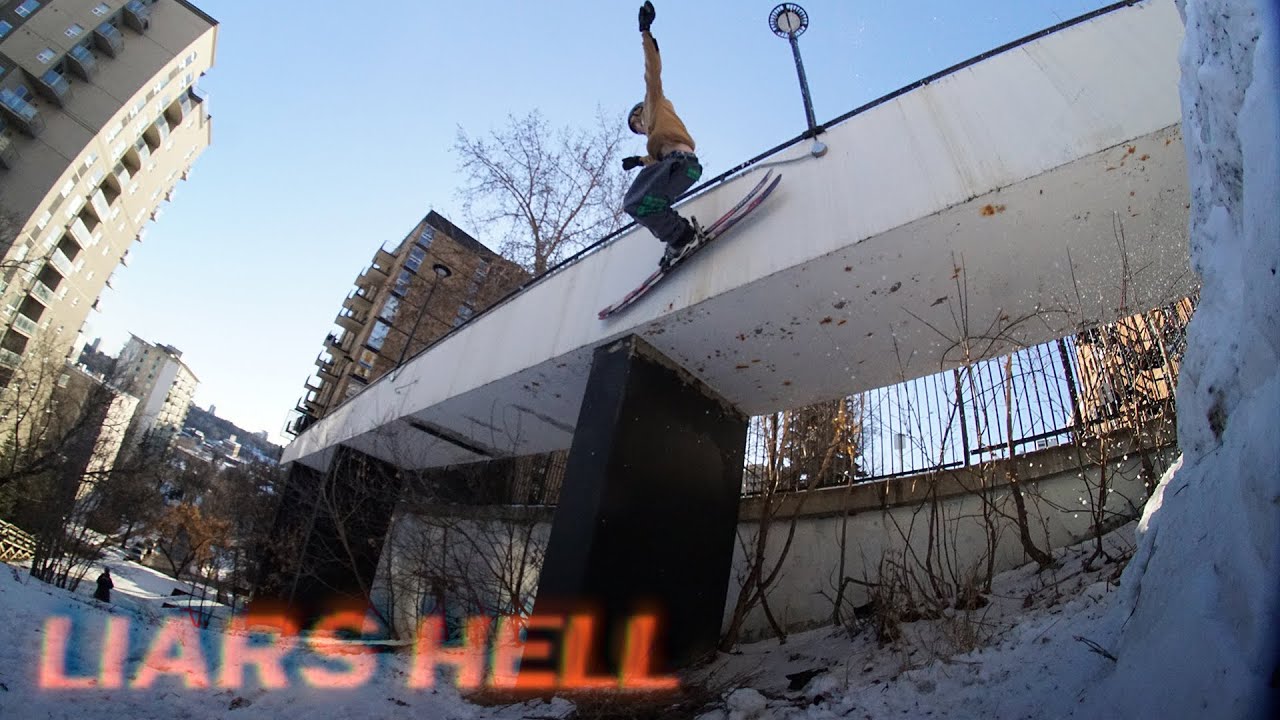
Nevin Tarnowski is a freeski rider and editor whose public footprint is rooted in the Edmonton, Alberta scene—specifically the kind of park and street skiing culture that thrives on repetition, crew energy, and self-made video projects. He has released multiple season edits under the handle CHU-TANG_CLAN, and he is also credited as a skier in Edmonton street projects such as “LIARS HELL” and “LAZY MARY.” That combination matters in freeskiing because the sport isn’t only defined by contest results; it is also defined by the riders who document their winters, develop a recognizable style, and help give a local scene its identity.
His significance is best described as scene-level and verifiable: a consistent contributor to the Edmonton park/street ecosystem across multiple seasons, with edits and appearances that map a real timeline of progression. For fans who like street skiing, urban rail style, and the “small hill, big creativity” approach to freeski, Tarnowski is a name that connects directly to the places and crews that keep those winters moving.
Competitive arc and key venues
Tarnowski’s arc is documented more through projects than podiums. His season edits span years of riding, and the descriptions attached to those projects tie him strongly to Rabbit Hill—a local hill in the Edmonton area known for terrain-park laps and the kind of night-session culture that’s perfect for filming. He has repeatedly acknowledged the park crew and the people filming his clips, which is a telltale sign of a rider operating in that community-driven lane where friends, shovels, and camera time are as important as ideal conditions.
His edits also show that his skiing hasn’t been limited to one backyard park. In the mid-2010s, he released webisode-style content tied to a “dream season” in Summit County, Colorado, documenting riding at Keystone Resort and Breckenridge Resort. That matters for context: riders who split time between a small home hill and major destination resorts often develop a useful blend of skills—tight, technical rail comfort from short laps, plus speed management and bigger-feature confidence from larger parks.
More recently, his name appears in Edmonton street projects that reflect a different kind of “competition”: the battle against winter timing, access, and repetition. Being credited in street films like “LAZY MARY” (filmed over the 2022–23 season) and “LIARS HELL” signals that he’s part of the kind of crew-based process where progression is earned through returning to spots, stacking attempts, and landing the same trick cleanly when it counts for the camera.
How they ski: what to watch for
Tarnowski’s strongest, most reliably documented lane is park-and-rails skiing with a street sensibility. That usually means tricks chosen for cleanliness and readability: controlled approach speed, balanced body position on the feature, and exits that look intentional rather than saved. Even without needing a detailed “trick list,” you can learn a lot by watching the fundamentals that make street and park clips look professional. Pay attention to how early the speed decision is made, whether the upper body stays quiet, and whether the landing carries forward momentum instead of scrubbing sideways.
He has also been candid in his own project framing—using themes and self-awareness rather than pretending every clip is perfect. In one season edit, he built the concept around “knuckles,” acknowledging the reality that coming up short happens, then turning it into part of the story instead of hiding it. That attitude fits a filmer-friendly style: it’s about staying committed, learning from misses, and keeping the run or the spot productive until a clean version happens.
Resilience, filming, and influence
Tarnowski’s biggest influence sits in the overlap between skiing and storytelling. He has credited multiple filmers across his edits and has also been listed as the editor on at least one of his season projects, which places him in that valuable role of rider-editor: someone who not only performs the skiing, but helps shape how the skiing is presented. In modern freeski culture, that’s a serious contribution. Edits don’t just show tricks; they define pacing, emphasize style, and make a local hill feel like the center of the universe for four minutes.
Resilience shows up in the timeline. He has released edits that were described as “overdue,” covering previous seasons rather than only pushing what’s newest. That sounds small, but it’s a real indicator of long-term commitment: the winter-to-winter grind of filming, collecting clips, and finishing projects even when life, school, or work reduces riding time. For a scene like Edmonton’s, that kind of persistence is often the difference between a fleeting moment and a culture that stays visible.
Geography that built the toolkit
Edmonton-area freeskiing produces a distinctive toolkit. When your home base is a smaller local hill like Rabbit Hill, you learn to maximize short runs: quick resets, many attempts, and a technical relationship with rails and compact park builds. That environment is ideal for street-style fundamentals—precise pop, balanced slides, and the ability to repeat a trick until it looks clean instead of merely landed.
Add in trips to mountain destinations like Banff Sunshine Village—set inside Banff National Park—and you get the other half of the skill set: speed, scale, and the kind of bigger terrain that demands confident takeoffs and landings. Tarnowski’s documented mix of Edmonton-local filming and resort seasons in places like Keystone Resort and Breckenridge Resort fits a path many riders follow: build the technical base at home, then translate it to larger parks when the opportunity appears.
Equipment and partners: practical takeaways
There is not enough reliably verifiable public information to state a confirmed sponsor list or exact gear setup for Tarnowski, and it would be wrong to guess. What is clear from the type of skiing he is associated with is the kind of equipment logic that usually supports it. Street and rail-heavy freeskiing tends to reward durability, predictable swing weight, and a balanced stance that feels natural both forward and switch. In cold, repetitive local-hill conditions, consistency matters more than novelty: a boot fit that stays locked, a tune that matches rails and firm snow, and skis that feel the same on attempt one and attempt twenty.
His edits also show a practical lesson for progressing skiers: the “partner” that matters most early is the crew. Filming, building features, and keeping a park session productive is often what turns progression into something visible. If you want to ski like a rider whose winter is built around edits, treat your setup as a reliability tool, not a fashion statement—because reliability is what lets you keep trying until the clip is clean.
Why fans and progressing skiers care
Fans should care about Nevin Tarnowski because he represents a real, verifiable slice of freeskiing: the rider who builds a name through seasons of edits, local-park consistency, and street-film participation rather than a contest résumé. His connection to the Edmonton scene and to Rabbit Hill is especially relevant for anyone who understands how much creativity can come out of a smaller hill when the park crew is motivated and the local community keeps showing up.
Progressing skiers can learn from his pathway because it’s replicable. You don’t need perfect mountains every day to get better; you need reps, a controlled approach to rails and jumps, and the patience to film honestly. Watch for the details that make his clips work—speed discipline, clean posture, and exits that stay composed—and you’ll understand the fundamentals that separate “I did it” from “it looks good.”