Martyn Kingston
Profile and significance
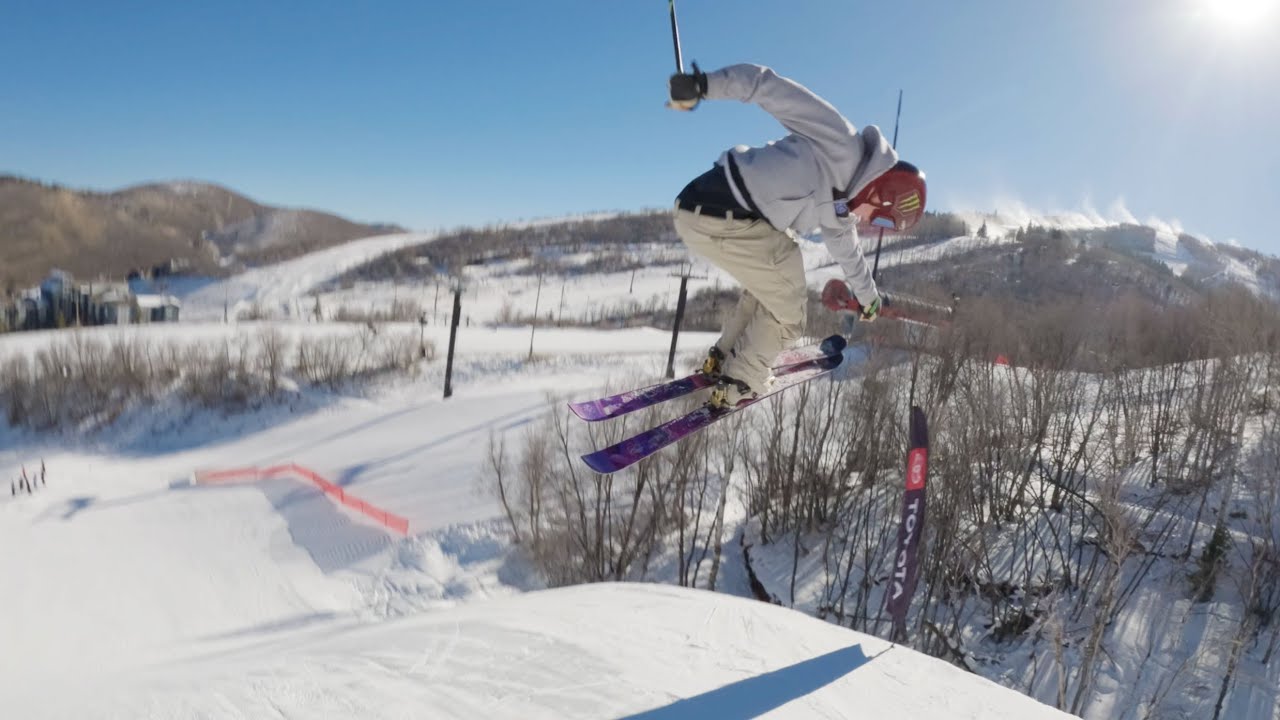
Martyn Kingston is an American freeski athlete from Park City, Utah, competing primarily in slopestyle and appearing in both big air and rail-format events on the North American circuit. Born August 29, 2007, he is listed as an active athlete with Park City Ski & Snowboard in international freestyle records. The most meaningful marker of his rise is simple and verifiable: he won men’s freeski slopestyle at the U.S. National Championships held at Copper Mountain on April 7, 2025. For a skier still in the “emerging” bracket, a national title at a major contest venue is a loud signal that the fundamentals, trick capacity, and contest mindset are already translating under pressure.
Kingston’s significance right now is that he sits in the exact zone freeski fans love to track: young enough that every season can reshape the ceiling, but already proven enough that results are not hypothetical. He has logged Nor-Am Cup starts across the U.S. and Canada, has experience testing his slopestyle runs against deeper fields, and has already stepped onto the World Cup stage in Aspen Snowmass. He is not yet defined by World Cup finals or a long highlight list of podiums, but his trajectory shows the key ingredients—national-level execution, Nor-Am progression, and international travel—that often precede a breakout season.
Competitive arc and key venues
Kingston’s record shows a clear progression from early FIS-level starts to higher-stakes domestic and continental results. One early benchmark came in February 2023, when he won a men’s freeski slopestyle event at Mammoth Mountain, an indicator that he could already put down a complete run in a judged format. Later that year, he traveled to Cardrona in New Zealand and finished third in a freeski slopestyle event on September 29, 2023—an important detail because southern-hemisphere competitions are often used by developing athletes to build experience and points outside the North American winter.
From 2024 into 2025, he became a regular presence on the Nor-Am and national scene. His results include multiple Nor-Am slopestyle appearances at venues that reliably draw deep fields such as Copper Mountain, Mammoth Mountain, Aspen Snowmass, Stoneham in Québec, and WinSport in Calgary. The standout domestic moment is the April 7, 2025 U.S. National Championships slopestyle win at Copper Mountain, followed by continued Nor-Am starts where he kept placing inside competitive slopestyle fields.
In the 2025–26 season, Kingston added a major Nor-Am podium: third place in men’s freeski slopestyle at Copper Mountain on January 14, 2026. That matters because Nor-Am podiums are often the bridge between “good junior” and “real contender,” especially at venues where the course size and judging expectations look closer to top-tier events. He also appeared in a Nor-Am rail-format event at Stoneham in early February 2026, which helps round out the picture of him as a park skier comfortable across the rail-to-jump spectrum that defines modern slopestyle.
How they ski: what to watch for
Because detailed trick lists and run breakdowns are not consistently published for every Nor-Am or national start, the most accurate way to describe Kingston’s skiing is through what his results require. A slopestyle national champion and Nor-Am podium skier is typically strong in three areas: run construction, execution quality, and risk management. In freeski slopestyle, the run is a story—rails that set tone and show control, then jumps that push difficulty without breaking flow. If you are watching Kingston with an evaluator’s eye, look for whether he keeps the same pace and posture from the first rail hit to the final landing, because composure over a full course is what separates a single good moment from a winning run.
His appearances in rail-format results suggest comfort with technical features, which often shows up as cleaner entries, more stable balance on the feature, and exits that keep momentum rather than requiring a big save. In jump sections, focus on takeoff timing and landing direction. The most “contest-ready” skiing looks quiet: stable upper body, controlled axis in the air, and landings that continue down the fall line so the next feature is attacked on time. That quiet look is not just style—it’s efficiency, and efficiency is what keeps a slopestyle run from unraveling under pressure.
Kingston’s competition mix also includes big air starts, which is useful context for how he may develop. Big air tends to sharpen commitment and landing consistency, and those traits often feed back into slopestyle by making jump sections more repeatable. For fans, the key is not to hunt one signature trick but to track whether his runs become more complete: fewer speed checks, cleaner rail exits, and the same landing quality even when the trick difficulty rises.
Resilience, filming, and influence
One of the most reliable indicators of resilience in freeskiing is travel plus adaptation—new courses, new snow, new judging panels, and still producing. Kingston’s record shows that pattern: North American contests across the U.S. and Canada, plus competitive starts at Cardrona in New Zealand. That kind of schedule forces an athlete to make their skiing “portable,” meaning the run works even when features feel different than at home.
He has also been visible in head-to-head, trick-for-trick freeski content filmed at Park City, which places him inside the modern freeski ecosystem where contest results and media presence can reinforce each other. Even without leaning on urban/street skiing claims that aren’t publicly documented in official results, it is fair to say his current influence is that of an emerging competitive skier who is increasingly visible in the park-focused side of the sport. For many fans, that is the sweet spot: watching an athlete’s style, confidence, and consistency evolve before they become a familiar name on every start list.
Geography that built the toolkit
Growing up in Park City matters in a freeski biography because the region is shaped by terrain-park culture and structured training environments. Kingston’s records tie him to Park City Ski & Snowboard, and his competition history includes events linked to Woodward Park City, a training hub that supports the kind of repetition-driven development slopestyle athletes need. When you can train consistently, work on details, and repeat tricks until they look controlled, you build the base that wins slopestyle contests: timing, confidence on takeoff, and an instinct for speed management.
Then the venues on his results list explain how that base is being tested. Copper Mountain is a major proving ground for U.S. park skiers because the event environment is high-pressure and the courses demand full-run composure. Aspen Snowmass brings deeper fields and the kind of contest setting where small execution errors get punished. Canadian stops like Stoneham and WinSport force adaptation to different course builds and snow textures. Together, that geography is a practical explanation for why his progression looks real: he is not only winning at home, but repeatedly stepping into venues that require portability and discipline.
Equipment and partners: practical takeaways
Kingston’s official equipment fields are not consistently filled out in public competition databases, so it would be wrong to claim a complete sponsor list from that alone. What is publicly visible from his own athlete-facing posts is that he has tagged and thanked recognizable industry names, including Armada Skis, Monster Army, and Roxa. The safe way to interpret that information is as context about the ecosystem around him, not as a definitive, contract-level sponsor roster unless it is formally announced elsewhere.
For progressing skiers, the practical lesson is still valuable. Slopestyle success depends on a setup that reduces variables: boots that fit consistently, skis that feel balanced in switch and stable on jump landings, and tuning that matches park conditions so rails feel predictable. If you want to evaluate “contest readiness” through gear, watch whether the skier looks comfortable committing to takeoffs and rail entries without hesitation. That confidence often comes from fit and familiarity more than from chasing the newest product.
Another takeaway is the value of a stable training-and-travel routine. A skier who can show up in multiple regions and still deliver results is usually managing equipment, warmups, and fatigue well enough that the skiing stays crisp. In slopestyle, that consistency is a competitive advantage that is easy to underestimate until you watch how many runs get derailed by small timing or setup issues.
Why fans and progressing skiers care
Fans should care about Martyn Kingston because his résumé already includes the kind of results that often precede a wider breakout: a U.S. National Championships slopestyle win at Copper Mountain in April 2025, a Nor-Am Cup slopestyle podium at the same venue in January 2026, and experience stepping into World Cup competition at Aspen Snowmass. That combination—national title plus Nor-Am podium plus World Cup exposure—usually means an athlete is learning how to convert talent into repeatable scoring runs.
Progressing skiers should care because his arc reinforces what actually wins in freeski slopestyle. It is not only about having one difficult trick; it is about building a full run that stays clean from rails to jumps, maintaining speed without chaos, and landing with enough control that the next feature feels automatic. If you watch Kingston across venues like Stoneham, WinSport, and Cardrona, you can evaluate the real skill: portability. When the same skier looks composed on different course builds in different countries, you’re seeing the kind of foundation that can turn an emerging athlete into a consistent contender.