Mark Valtr
Profile and significance
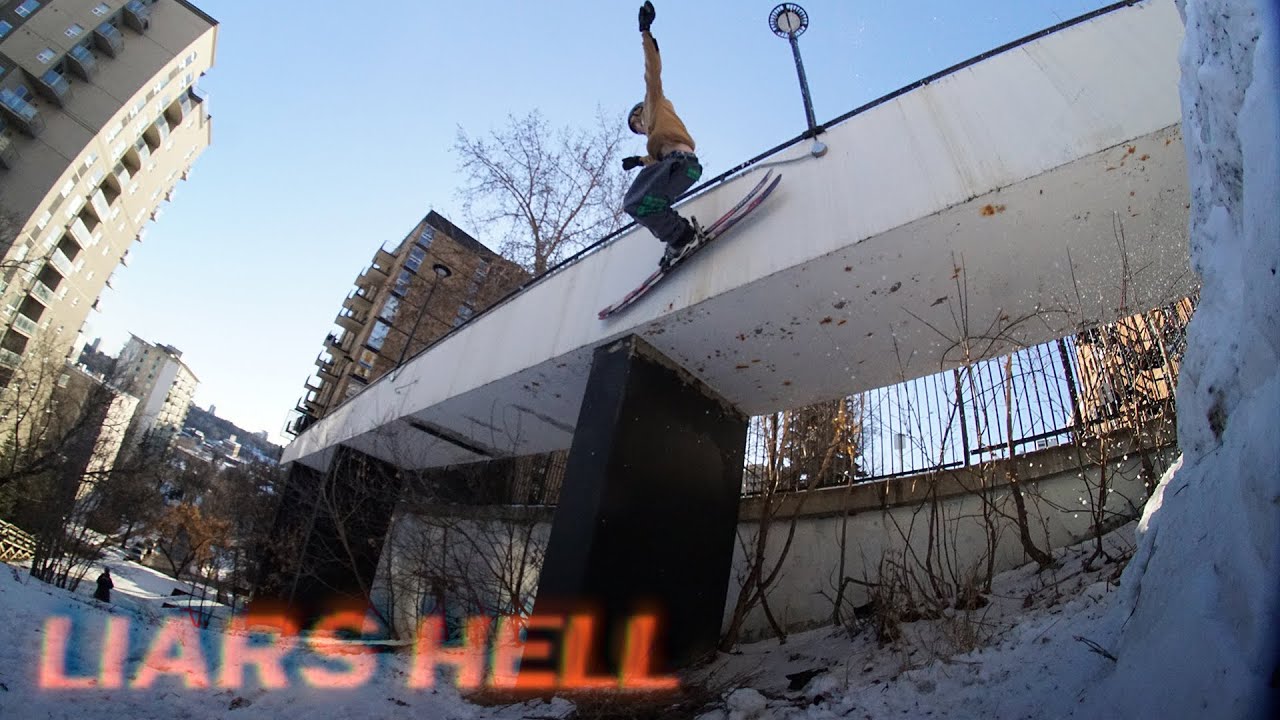
Mark Valtr is a Canadian freeski rider whose name comes up as often behind the camera as it does in front of it. In modern freeski culture, that overlap matters: the athletes who film, edit, and produce are often the ones shaping what “good” looks like in the first place. Valtr is closely associated with 4WESTCO, a crew and outerwear brand that has put out full-length projects and edits rooted in Western Canada’s park, street, and all-mountain scenes. His profile isn’t built on World Cup start gates or a contest résumé; it’s built on output—clips, edits, and the kind of consistent filming work that keeps a crew visible season after season.
What makes Valtr especially relevant for a freeski database is that he represents a very real lane of progression in skiing: the rider-producer who can ski with style, identify what will look good on camera, and package the whole thing into a film that other skiers actually want to watch. He has been listed as the director of the film “SPEEDBUMP” in the iF3 film guide, and that credit alone frames him as more than a cameo skier. In practical terms, he’s a case study in how regional crews build identity—through repeatable sessions, tight editing, and the geography of a place that offers both urban features and serious mountain terrain.
Competitive arc and key venues
If you’re looking for a “competitive arc” in Valtr’s story, it’s less about podiums and more about projects and places. His skiing shows up in the same environments that have defined Canadian freeskiing for years: backyard rope tows, small and medium-sized parks with dialed rhythm sections, street spots when the city freezes into a workable canvas, and the bigger resort days when the crew can migrate to terrain that rewards speed and airtime. That blend is typical of the Alberta scene, where it’s normal for the same skier to jump from a rail hit in town to a proper resort lap the next day.
On the mountain side, sessions tied to Banff Sunshine Village show up in the broader orbit of his work, including edits shot during spring park riding and the kind of “make the most of the day” laps that define resort-based freeski culture. Sunshine is also inside Banff National Park, which gives the whole setting a very specific feel: big, dramatic terrain, a long season by Canadian standards, and a trip energy that can turn an average park day into something cinematic.
On the urban side, Valtr’s name appears in street-focused edits associated with the Edmonton-area scene—exactly the kind of winter city where stairs, ledges, and handrails become training tools when conditions line up. For viewers, the key point is that his trajectory is built around “where” as much as “what”: a loop between city features and mountain parks, with travel sprinkled in when projects demand it.
How they ski: what to watch for
Valtr’s freeskiing reads as crew-driven and camera-aware. That usually means two things. First, trick choice and style are selected to film well: clean pop, a stable axis in the air, and a stomp that looks confident rather than sketchy. Second, the line is often the star. In street skiing, that shows up as patience—matching speed to the feature, keeping the approach quiet, and making the exit look as intentional as the takeoff. In park skiing, it shows up as flow: linking hits without looking rushed, and keeping the upper body calm so the trick doesn’t look forced.
Because he also works as an editor and filmer in the same universe, you can expect the skiing to be framed by the details that make freeski parts memorable: speed checks that happen early instead of at the last second, a preference for landings that carry forward momentum, and trick execution that prioritizes readability. If you’re watching to learn, focus on how he manages approach speed and takeoff timing—especially on features where the “right” speed is narrower than people think. It’s a small technical skill that separates a good-looking clip from a close call.
Resilience, filming, and influence
Valtr’s impact is tightly linked to production. The “SPEEDBUMP” project credited to him as director is framed around obstacles and changing conditions—an idea that resonated in an era when travel, operations, and access shifted quickly. That theme fits the reality of being a freeski creator: you don’t control weather, resorts don’t always cooperate, and street seasons can vanish overnight. The crews that last are the ones who adapt, and film projects are often the most honest record of that problem-solving.
His influence shows up in the way a crew’s identity becomes consistent over time. When the same person is repeatedly behind the lens and in the edit bay, the visuals start to carry a recognizable rhythm—how long a clip breathes, how a crash is treated, how the music pacing matches the skiing. For progressing skiers, that’s not just “content.” It’s a blueprint for how to document your own growth: pick a concept, keep filming, learn to cut your footage, and let the season tell its story instead of waiting for a perfect day that may never come.
Geography that built the toolkit
Western Canada produces a particular kind of freeski athlete, and Valtr fits that pattern. The region’s winter is long, the snowpack can be deep, and the street season can be surprisingly productive when cold holds and crews are willing to put in the work. That combination pushes versatility. The skier who only wants perfect park conditions will run out of days; the skier who can pivot between street spots, smaller local parks, and bigger resort features will build a far broader toolkit.
It also explains why places like Edmonton and the Banff area can both matter in the same skier’s year. Edmonton represents the urban grind—scouting, shoveling, repeating. Banff and the surrounding parks represent scale and speed—bigger terrain, longer lines, and the kind of natural backdrop that elevates an edit immediately. When you see a rider who looks comfortable in both settings, it’s usually because their home geography demanded it.
Equipment and partners: practical takeaways
One of the clearest “proof points” of Valtr’s credibility as a skier is his involvement in ski testing. He has been quoted publicly as a ski tester in brand-facing gear coverage, including commentary tied to SCOTT ski products. That matters because testing is less forgiving than it looks: you have to ski a wide range of shapes and flex patterns, notice real differences in stability and swing weight, and describe feel in a way other skiers can understand.
For readers, the takeaway is simple: the kind of skiing Valtr is associated with—park laps, variable resort snow, and occasional deeper days—rewards a modern all-mountain freestyle setup. Think a ski that can handle landing switch and carving back to the lift, but has enough platform to stay composed when conditions get chopped. If you’re trying to progress in the same direction, prioritize durability and predictable behavior over “the loosest ski in the world.” A consistent edge, a balanced mount point, and a boot setup that you trust will do more for your skiing than chasing novelty every season.
When brands are mentioned around his work, treat them as context rather than assumptions about sponsorship. The reliable fact is that he operates in a space where brands, resorts, and crews intersect—often through projects, testing, and filming. That’s the modern freeski ecosystem, and Valtr sits right in the middle of it.
Why fans and progressing skiers care
Fans should care about Mark Valtr because he represents a version of freeskiing that is both athletic and constructive. He’s not just stacking tricks; he’s helping build the edits and films that define a scene, and he’s doing it from a region that consistently feeds the sport with talented riders. For progressing skiers, his value is even more direct: watch how a clip is made, not only what trick it contains. Pay attention to pacing, how speed is managed, how landings are absorbed, and how the line continues after the trick. That’s the difference between “I can do a trick” and “I can do it in a way that looks like freeskiing.”
If you’re building your own season, his model is practical: ride a lot, film consistently, learn enough editing to tell a story, and let your local hills and streets shape your style. That’s how regional freeski scenes stay alive—and it’s why skiers like Valtr matter even without a medal count attached to their name.