Magnus Graner
Profile and significance
Magnus Granér is a Swedish freeski original and co-founder of The Bunch whose impact on modern street and park skiing is both technical and cultural. He first broke through by winning Level 1’s SuperUnknown X in 2013, a launchpad that led to a steady run of era-defining film parts and, in 2017, gold at X Games Real Ski—the all-urban video contest where creative line design and clean execution matter as much as sheer spin count. Those two landmarks bracket a career centered on rider-made films, meticulous rail craft, and a knack for making difficult skiing read clearly at full speed. In recent years Granér has expanded his influence as a founder of the Swedish ski brand 1000 Skis and as an ambassador with Haglöfs, bringing athlete priorities—durability, predictability, sustainability—directly into product and storytelling.
Beyond the medals, he helped reshape what a ski movie can be. The Bunch’s projects, including “Is There Time for Matching Socks?” and the award-winning “Many Fantasies Later,” turned style into teachable technique and filmmaking into ideas-driven narratives. The result is a body of work with staying power: lines that hold up on the tenth watch and a template that younger riders can copy without needing a perfect park day.
Competitive arc and key venues
Granér’s competitive résumé is precise rather than long. In 2013 he won SuperUnknown at Sun Valley, signposting the arrival of a street-minded skier with contest composure. Four seasons later he took gold at X Games Real Ski 2017, confirming to a broadcast audience what core skiers already knew from his films: early commitments, obstacle-spanning tricks, decisive lock-ins, and centered exits make high difficulty look inevitable. After Real Ski, he focused almost entirely on filming and rider-led gatherings—spaces where pacing, momentum, and visual clarity are rewarded as much as trick volume.
Venues explain the toolkit. Spring laps at Kläppen refined rhythm and patience on dense rail panels and medium booters. The Swiss Alps provided the big-mountain canvases for “Many Fantasies Later,” where The Bunch balanced creative park DNA with alpine terrain under the guidance of local partners like My Switzerland. Urban segments around Sweden compressed decisions into short in-runs and quick outruns, sharpening speed protection and approach angles. Thread those places together and you get skiing that looks the same—calm, readable, and fast—whether the background is a city staircase or a sunset booter.
How they ski: what to watch for
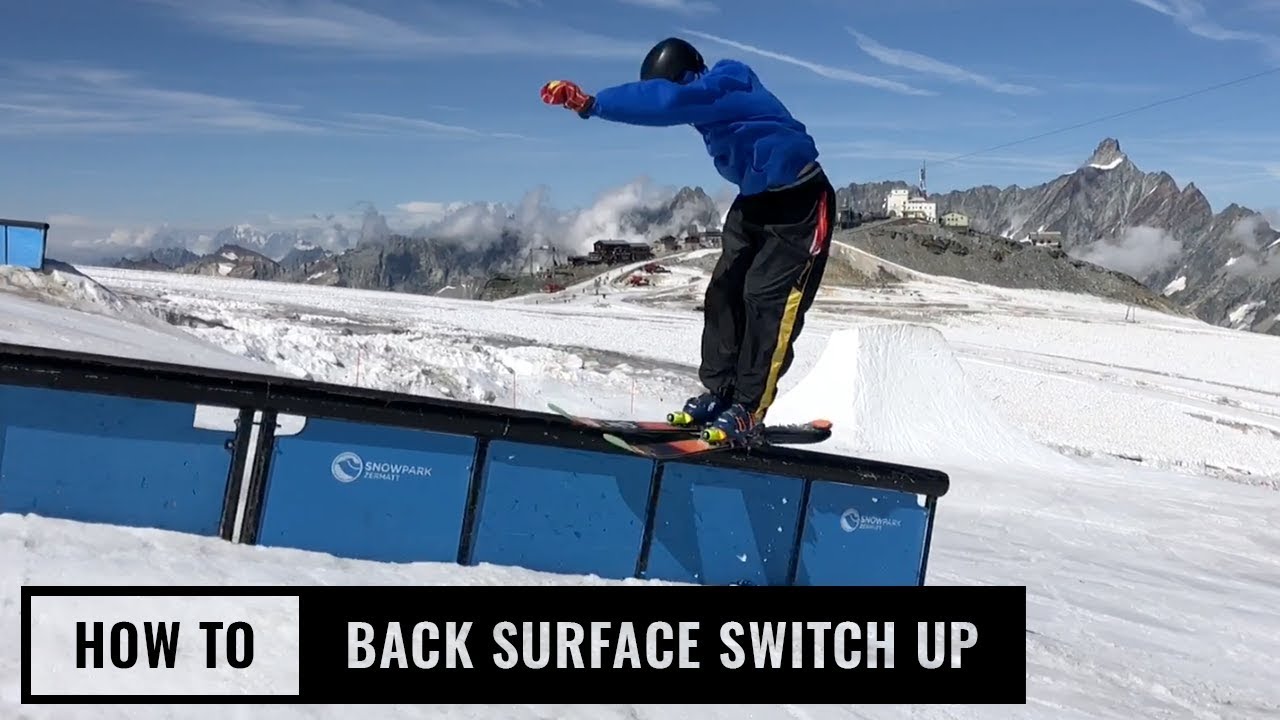
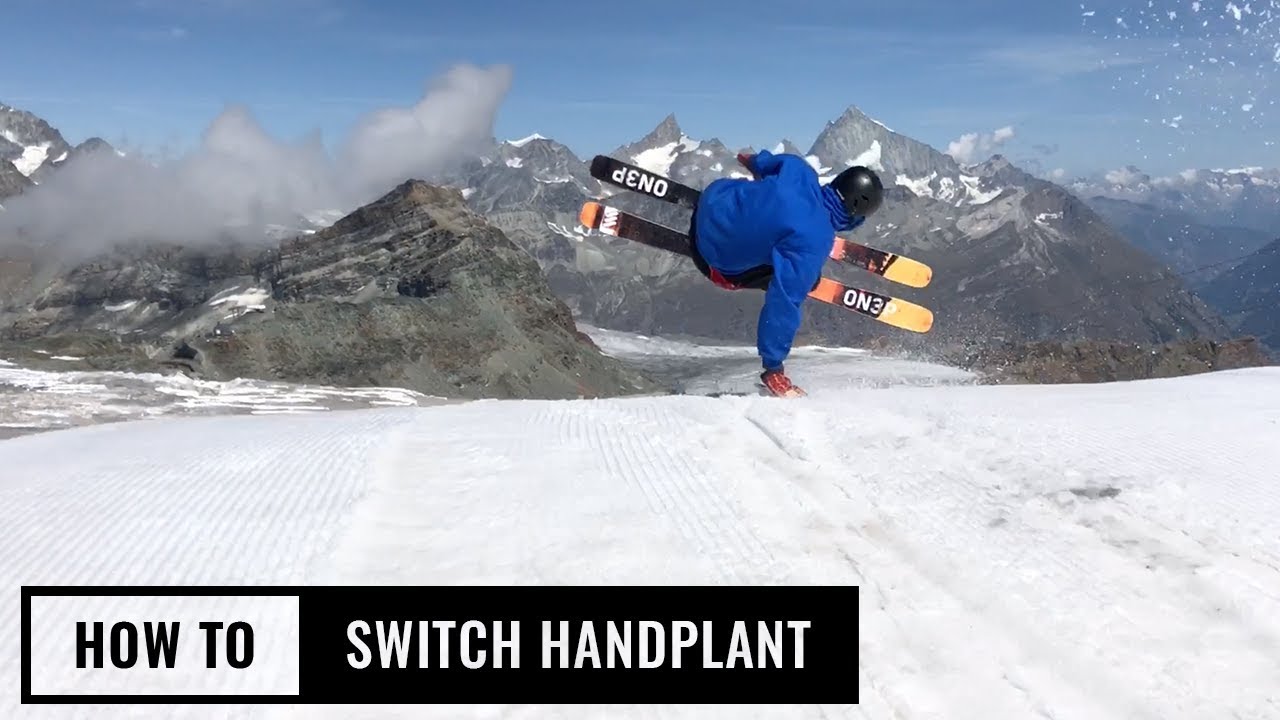
Granér skis with deliberate economy and musical timing. On rails, he squares approaches early, centers mass on contact, and locks in decisively rather than theatrically. Surface swaps resolve completely; presses carry visible shape instead of wobble; exits protect enough speed that the next feature arrives naturally. On jumps, he manages spin rate with deep, functional grabs—safety, tail, or blunt depending on axis—arriving early enough to quiet rotation and keep the landing stacked over his feet. Directional variety—forward and switch, left and right—appears because it serves the line, not to pad a checklist.
Two simple cues help you “read” a Granér clip in real time. First, spacing: he leaves room between moves so each trick sets angle and speed for the next, turning a run into a sentence rather than disconnected words. Second, grab discipline: hands find the ski early and stay long enough to influence the axis, which is why bigger spins look unhurried and why editors can present his footage at normal speed without slow-motion rescue.
Resilience, filming, and influence
The Bunch’s catalog shows Granér as rider and maker. “Is There Time for Matching Socks?” earned festival praise for cinematography and street segments. “Many Fantasies Later” pushed the format again, taking home major awards and mixing alpine backdrops with the crew’s trademark park and street fluency. Follow-ups like “Sensus” continued to experiment with narrative, tech, and pacing, while the 2024 documentary “Längtan till Áhkká” (“Longing for Áhkká”) connected family history and northern expeditions to a modern, lower-impact way of traveling and filming. The common thread is intention: shots that stand on their own, lines that breathe, and choices that make sense to both peers and new fans.
Influence spreads because it’s actionable. Younger skiers borrow his early grab timing, the way he spans an obstacle end-to-end, and the small speed checks that never spill into landings. Shapers and brands borrow the clarity: builds and products that let timing—not gimmicks—do the work.
Geography that built the toolkit
Granér grew up in northern Sweden and cut his teeth on compact slopes before graduating to the country’s park hubs and city architecture. Kläppen’s snowpark instilled honest edge angles on firm mornings and patient takeoffs on slushy afternoons. Stockholm’s urban grid supplied the short runways and tight outruns that punish late decisions. Travel widened the palette, from Sun Valley’s SuperUnknown finals to the Alps for film projects. Across those environments the habits don’t change: protect momentum, finish movements early, and let the line keep its shape from first feature to last landing.
Equipment and partners: practical takeaways
Granér now rides and works with 1000 Skis, the rider-founded brand manufacturing in Sweden with renewable energy and a public sustainability plan that he helps steward. For goggles he collaborates with CHIMI—including a co-branded model via 1000 Skis—reflecting a preference for optics that keep contrast and cadence honest on gray days and under LEDs. His outerwear partnership with Haglöfs ties the street-to-alpine arc together with durable, weather-ready layers.
If you’re translating the setup into your own kit, think category fit over model names. Choose a symmetrical or near-symmetrical park ski mounted so presses feel natural without compromising takeoff stability. Keep bases fast so cadence doesn’t depend on perfect weather; tune edges to hold on steel yet soften contact points enough to avoid surprise bites on swaps. Treat grabs as control inputs—lock them early to stabilize the axis—and land centered with enough speed for what comes next. Those choices made sense in a Real Ski gold part and make sense for weekend laps, too.
Why fans and progressing skiers care
Magnus Granér matters because he turned high-end street and park difficulty into a language anyone can follow, then used that credibility to build films, products, and events that serve the wider scene. A SuperUnknown title proved the potential; X Games Real Ski gold confirmed it to the world. The Bunch’s projects since have shown how to carry that craft into new contexts without losing clarity. For viewers, his clips are endlessly rewatchable because the decisions are obvious and the execution is calm. For developing skiers, the blueprint is concrete: square the approach, use the grab to steer the axis, finish the move with time to spare, and leave every feature with momentum. Whether the backdrop is a city staircase, a Swedish rail garden at Kläppen, or a high-alpine face, the method holds.