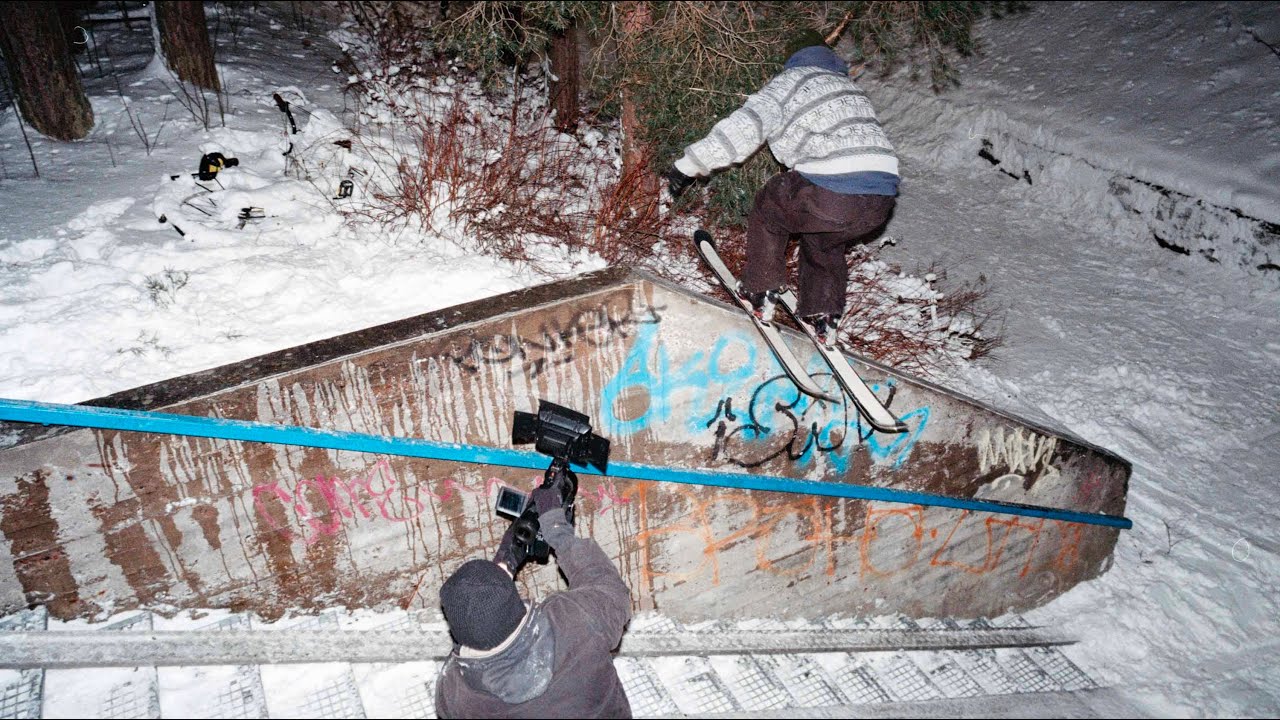
lauri kivari
Profile and significance
Lauri Kivari is a Finnish freestyle skier born on March 23 1996 in Helsinki, Finland. He competed internationally in slopestyle and halfpipe events, and notably represented Finland at the 2014 Winter Olympic Games in Sochi in the men’s slopestyle competition. His early medal at the Youth Olympic level combined with Olympic participation mark him as an athlete of interest in the freestyle ski world, especially from the Nordic freeski scene.
Competitive arc and key venues
Kivari’s breakthrough moment came at the 2012 Winter Youth Olympic Games in Innsbruck/Kühtai, where he won a silver medal in the boys’ halfpipe event. He then went on to qualify and compete at the 2014 Olympic Winter Games in Sochi in slopestyle, finishing 29th. His World Cup and FIS results include slopestyle and big-air/halfpipe starts, though he did not reach a podium at senior World Cup level. Key venues in his competitive career include Kühtai (Austria), Ruka (Finland) and various World Cup stops across North America and Europe.
How they ski: what to watch for
Kivari’s skiing style shows strong fundamentals from Nordic training with a clear eye for transition features and park terrain. While he may not have the amplitude or signature tricks of the top slopestyle stars, he demonstrates smooth flow between features and a disciplined rail/box skill-set. For watchers, his runs combine creative rail entries, solid grabs on jumps and a balanced approach that reflects his early halfpipe training mixed into slopestyle format.
Resilience, filming, and influence
As a young athlete representing a smaller freeski powerhouse compared to the U.S. or Canada, Kivari’s path required resilience. Transitioning from youth success to senior competition is challenging, and the fact that he made the Olympic start by age 18 speaks to his ability to build that leap. While there is no widely publicised filming portfolio or urban-street ski card for him, his presence in the Finnish freeski scene contributes to the broader wave of Nordic park/rails talent emerging in the 2010s.
Geography that built the toolkit
Based in Finland and originally from Helsinki, Kivari trained in Nordic conditions rather than the large alpine resorts that dominate many freeski athletes’ development. This environment meant smaller parks and a need to adapt creative terrain solutions, which likely helped him develop a strong rail/box game and technical style rather than sheer amplitude. The Finnish ski touring and park infrastructure also tends to reward discipline, which shows in his runs.
Equipment and partners: practical takeaways
While specific long-term sponsorship details for Kivari are not widely documented, the general takeaway for skiers inspired by his path is to invest in a versatile park setup that allows both rails and jumps. Since Kivari moved between halfpipe and slopestyle, having gear that transitions between disciplines (such as slightly softer flex skis and park-tuned bindings) can help develop a hybrid skill-set. For younger athletes in smaller ski nations, the message is clear: build fundamentals, pursue local competitions, then step into international starts.
Why fans and progressing skiers care
Fans of park and slopestyle skiing should care about Lauri Kivari because his journey highlights the valuable route from youth success to Olympic representation—even if he did not become a world champion. For progressing skiers, his path reminds us that entering the elite field at a young age, coming from a less-publicized skiing nation, and maintaining versatility across halfpipe and slopestyle can open doors. His career underscores that podiums aren’t the only measure of influence—joining the Olympic start list and inspiring other Nordic freeskiers is meaningful.