Kaileb Torrie
Profile and significance
Kaileb Torrie is a Canadian freeski athlete whose public, verifiable competition footprint sits in big-mountain freeride rather than traditional park World Cups. Listed as a Ski Men competitor from Canada and affiliated with Edmonton Ski Club, he is part of the North American pathway that feeds freeride’s highest level through sanctioned qualifiers. He appears in official ranking and rider pages connected to the Freeride World Tour Qualifier system and the IFSA ecosystem, which is where many emerging freeriders build experience before they ever become widely known outside the core community.
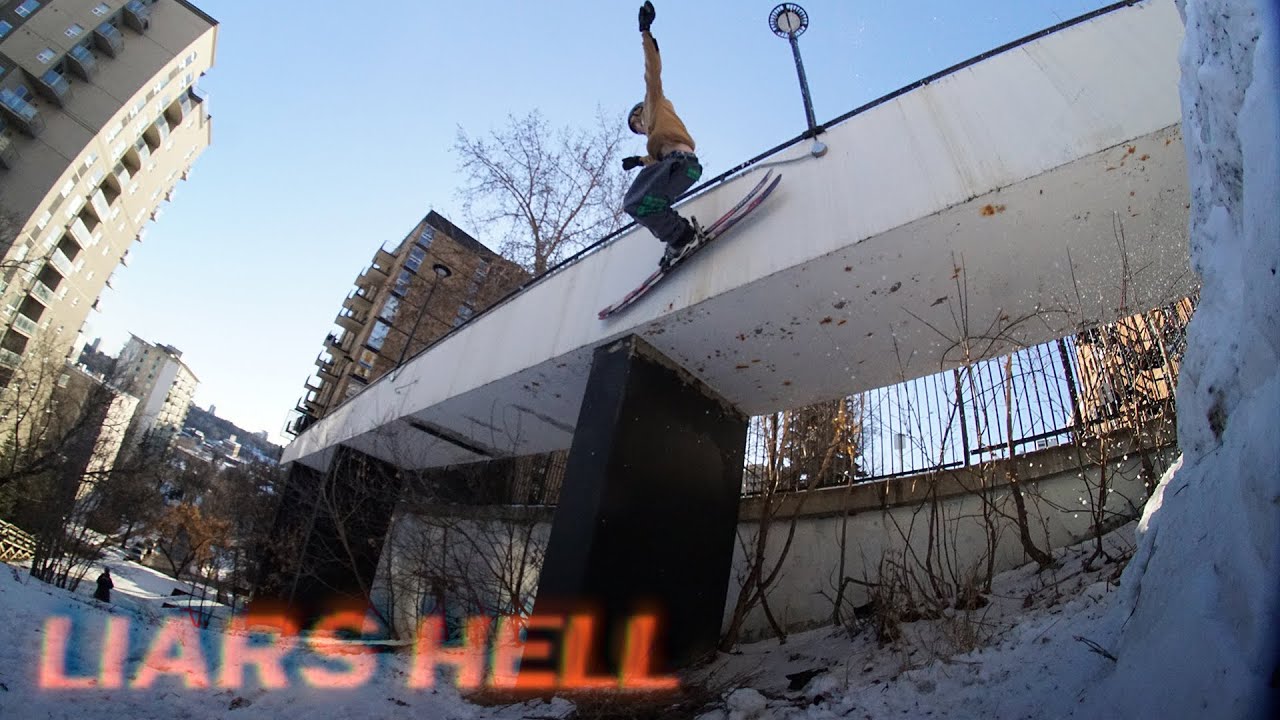
For a video-first ski audience, Torrie matters because his skiing sits at a useful intersection: he is building freeride competition experience while also appearing in Edmonton-based street skiing projects. That combination is increasingly common among modern athletes who want more than one way to express their skiing. Freeride demands snow reading, line choice, and control at speed; street skiing demands precision, patience, and a strong sense of style. When an athlete pursues both, it often produces a distinct “watchability” that goes beyond results on paper.
Competitive arc and key venues
Torrie’s most clearly documented result to date is a start in the 2025 season on the FWT Qualifier Americas track, where he is shown with a scored performance at the 2025 Kicking Horse IFSA Qualifier, placing 46th in that event’s Ski Men field. That single entry may look modest, but it tells you something real: he is stepping into the same qualification structure used by athletes trying to climb from regional start lists into deeper, more pressure-heavy events. In freeride, simply getting onto the right start lists—then learning to manage inspection, conditions, and judging criteria—is a major part of development.
The venues tied to that pathway help explain the skill demands. Kicking Horse Mountain Resort is known for steep, technical alpine terrain that rewards decisive skiing and smart risk management. The broader IFSA and FWT Qualifier ecosystem in Western Canada frequently overlaps with places like Revelstoke Mountain Resort, where big-mountain lines, variable snow, and feature-filled faces create the kind of canvas freeriders need in order to show range. Even when you focus on one result, the geography signals the direction: this is an athlete building comfort in the terrain that defines modern freeride competition.
At the same time, Torrie’s on-screen presence in Edmonton street edits shows a very different venue set: the city itself and the short-lap training hills that make Alberta’s park scene possible. That contrast—prairie-city repetition at home, then British Columbia big-mountain terrain for competition—often shapes a skier’s style in ways fans can feel immediately.
How they ski: what to watch for
In freeride, “how they ski” is less about a fixed trick list and more about decision-making under real mountain constraints. When you watch Torrie in freeride footage, evaluate him the way freeride judges do: the logic of the line, the quality of control through technical sections, and the commitment level relative to the terrain. A strong run typically looks like a clear plan executed with calm—clean fall-line skiing, purposeful speed management, and airs chosen because they fit the line rather than because they are the biggest option available.
There are also subtle crossover markers from park skiing that can show up in freeride athletes who train outside resort megahills. The ability to pop cleanly, absorb landings, and stay balanced through transitions often comes from the same repetition that builds slopestyle and big air fundamentals. If Torrie continues blending freeride starts with street and park sessions, look for that in his skiing: landings that stay composed, a stable upper body, and a willingness to take off and land with a clean, “camera-readable” posture.
His street skiing involvement adds another lens. In street clips, the signature isn’t speed; it’s precision. Watch whether approaches look planned early, whether the trick stays quiet on the feature, and whether exits carry control. Those traits tend to translate back to freeride as well, because freeride lines often demand the same kind of patience and accuracy—just at a much larger scale.
Resilience, filming, and influence
Torrie has publicly described how meeting a local crew opened up street skiing as a new form of expression for him. That’s a meaningful detail because it shows adaptability. Many athletes pick one lane and stay there; switching into street filming requires a different kind of commitment: returning to the same spot, taking repeated attempts in imperfect conditions, and accepting that the best version is the cleanest one, not the first one landed.
Appearing in a multi-skier Edmonton street project also matters culturally. Local edits are often where progression becomes visible long before an athlete becomes a regular name on start lists. In that sense, Torrie’s influence—at least right now—is less “global headline” and more “scene-level momentum.” He is part of the output that keeps an Edmonton winter watchable, while he simultaneously tests himself in the higher-consequence environment of sanctioned freeride qualifiers.
That dual focus can be a long-term advantage. Freeride competition rewards mental composure and smart risk decisions; filming rewards patience, process, and the ability to perform on demand for the camera. Athletes who can do both often develop a strong competitive routine without losing the style and creativity that brought most people into freeski culture in the first place.
Geography that built the toolkit
Coming out of Edmonton means building skill in a region where “mountain access” is often a trip rather than a daily default. That typically creates a repetition-driven foundation: lots of short sessions, lots of attempts, and an emphasis on technique that holds up in cold, firm conditions. Hills like Edmonton Ski Club and Rabbit Hill Snow Resort are the kind of places where skiers can do the unglamorous work—dialing takeoffs, learning balance, and building consistency through high-volume laps.
Then Western Canada’s freeride geography provides the second half of the equation. When you move from Edmonton training to British Columbia venues such as Kicking Horse Mountain Resort and Revelstoke Mountain Resort, the terrain demands expand fast: steeper pitches, more complex snow, and bigger exposure. That contrast can create a distinctive athlete profile—technical and disciplined from repetition, but hungry for scale when the mountains show up. Torrie’s documented participation in the qualifier environment suggests he is actively building that bridge.
Equipment and partners: practical takeaways
There is not enough reliable public information to label a confirmed sponsor roster for Torrie, and it would be incorrect to claim formal partnerships without an official announcement. What is visible through his own public posts is that he has tagged equipment and retail names such as Elan skis and Roxa ski boots, alongside Skier's Sportshop. The practical value in that is not “copy this exact setup,” but understanding what an emerging freeride athlete typically prioritizes: a reliable boot fit for edge control, skis that can handle variable snow, and a consistent, trusted service relationship for tuning and repairs.
For progressing skiers trying to learn from a freeride pathway, the main gear lesson is predictability. Big-mountain freeride punishes surprises: if your boots don’t hold your heel, your edging suffers; if your skis feel nervous in chopped snow, your line choices shrink; if your tune is inconsistent, you hesitate in the steeps. Add in street and park sessions, and durability becomes even more important. The best “equipment upgrade” is often not a new product, but a setup that stays the same day to day and lets you focus on skiing decisions rather than equipment problems.
Why fans and progressing skiers care
Kaileb Torrie is the kind of athlete fans can enjoy tracking early: young enough to still be defining his lane, but already present in official freeride qualification structures through the Freeride World Tour and IFSA ecosystem. His documented start at the 2025 Kicking Horse IFSA Qualifier places him on a real development path in big-mountain skiing, where experience and composure often matter as much as raw talent.
Progressing skiers can also take something concrete from his mix of freeride and street exposure. It’s a reminder that modern freeski progression isn’t one-dimensional. Freeride builds mountain intelligence and control; park and big air sharpen takeoff and landing fundamentals; urban/street skiing sharpens precision and style. If Torrie keeps blending those worlds, his best moments will likely be the ones where that crossover is visible: a freeride line skied with the calm of repetition and the clean finish of a filmer’s eye.