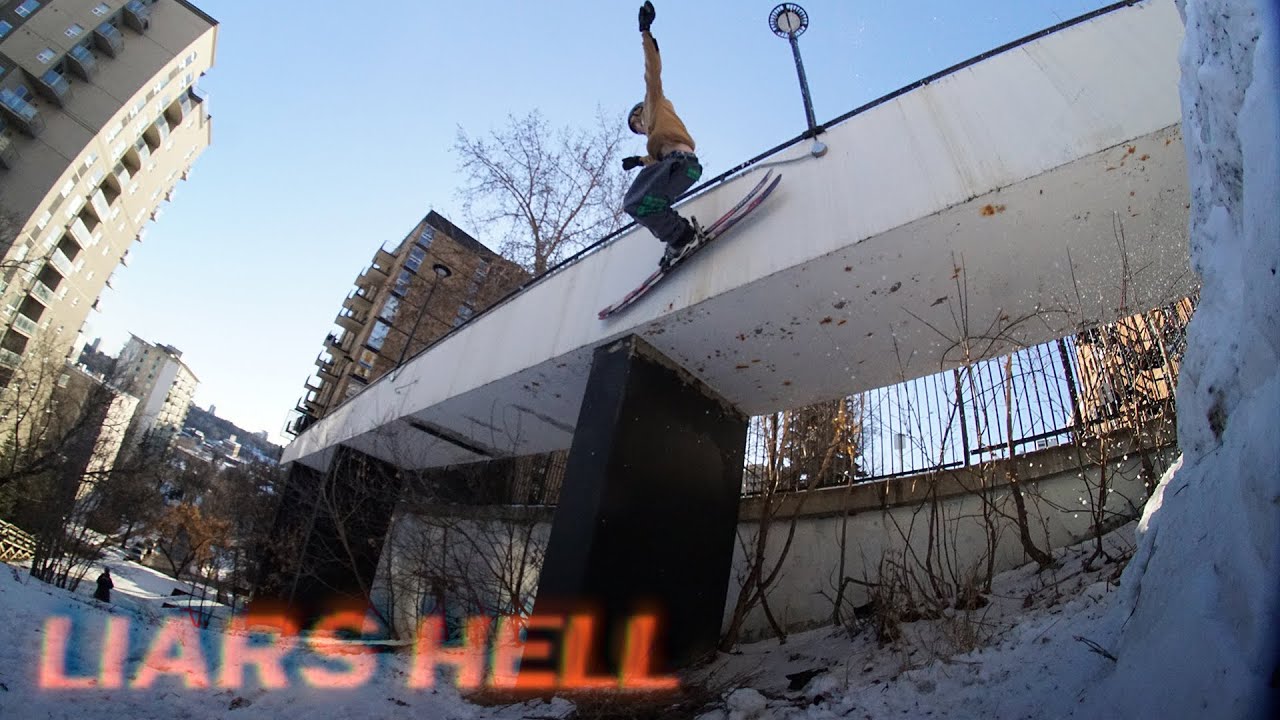
Profile and significance
John Smigelski is best understood through the modern freeski lane where riding and media-making overlap. In the Alberta park-and-street scene, his name shows up repeatedly as a filmer and editor, and also as a rider credited in local street projects. That combination matters because freeski culture is not only shaped by contests; it is shaped by the people who document what a winter actually looks like—storm weeks, short-hill laps, night sessions, and the messy, repeatable work that turns progression into a visible storyline.
Smigelski’s significance is local but real: he is connected to the kind of edits that keep a regional scene cohesive and recognizable. When an athlete is regularly behind the camera, they help decide what gets celebrated: which tricks read clean, which spots are worth returning to, and what “good style” looks like in that community. For a freeski database, he represents the creative engine that often sits behind emerging riders, parks, and crews—especially in areas where the nearest big-mountain resort is a trip, not a daily default.
Competitive arc and key venues
Public information about Smigelski is weighted toward filming and project credits rather than formal contest results, so his “arc” reads as a sequence of places and sessions. The recurring hubs are the Edmonton-area training hills—most notably Rabbit Hill and Edmonton Ski Club—where terrain parks and short, repeatable laps create the perfect environment for technical rail progression and camera work. Those are the kinds of hills where skiers can get dozens of tries in a single afternoon, refine timing quickly, and make street-style tricks feel automatic before bringing them to bigger features.
His work is also tied to destination-day energy in the Rockies, especially Banff Sunshine Village, where spring park builds and staff-night culture naturally feed into edits and local film projects. From a viewer’s perspective, that mix is the story: smaller, repeatable parks for foundation and experimentation, then bigger resort terrain for speed, scale, and the kind of backdrop that turns a normal session into something that feels cinematic within the Banff & Lake Louise region.
How they ski: what to watch for
Smigelski’s on-snow identity is closely aligned with the park-and-rails style that translates cleanly to street skiing. That usually means skiing that is built to be readable on camera: quiet upper body, confident approach speed, and tricks that look intentional rather than improvised. In a street setting, the best clips rarely come from the biggest move on paper; they come from doing the hard part—speed, pop, body position, and exit—so smoothly that the trick looks “inevitable.” That’s the aesthetic most crews chase, and it’s the kind of skiing typically associated with riders who also film and edit.
If you are watching to evaluate progression, focus less on trying to guess a trick list and more on the fundamentals that show up in every good street-or-park clip. Does the skier approach features with controlled speed instead of late panic checks? Do they stay balanced through takeoff, and do they land in a way that keeps moving down the fall line? On rails, look for clean entries and exits that don’t require a big arm save. Those details are what separate a clip that looks “real” from a clip that looks like a close call.
Resilience, filming, and influence
Making freeski edits in Alberta is a form of resilience on its own. Conditions change fast, features get salted or shut down, and street seasons can disappear when the weather swings. Filming through that means showing up repeatedly—often to the same hill, the same rail, or the same park build—until something clicks. Smigelski’s repeated credits as film-and-edit on local projects point to that persistence: the willingness to do the unglamorous work of documenting a scene rather than waiting for the perfect setup.
That kind of output has a quiet influence. When someone is consistently filming, they create a shared memory for the community and a benchmark for the next generation. Edits become reference material: how fast to hit a feature, what style looks clean, what kinds of landings are acceptable, and what “progression” means in a given winter. Even without major contest credentials, the skier-filmer role can shape a scene as directly as any podium.
Geography that built the toolkit
The geography around Edmonton tends to produce a practical, repetition-driven freeski style. When your day-to-day riding happens at smaller local hills, you learn to maximize short runs: fast resets, lots of tries, and the patience to stack marginal gains. That environment is especially powerful for rails, because you can dial timing and balance without needing big-mountain terrain. It also naturally supports filming, because crews can return to the same spot often and build an edit over many sessions instead of betting everything on one day.
At the same time, Alberta riders often supplement that local base with trips into bigger resort terrain. Banff Sunshine Village sits inside Banff National Park, and sessions there bring a different toolkit: more speed, larger features, and a more “destination” version of park skiing that rewards confidence on bigger transitions. The combination of these worlds—local repetition plus Rocky Mountain scale—helps explain why the Alberta street-and-park scene can feel both technical and tough.
Equipment and partners: practical takeaways
There is not enough reliable public information to state a confirmed personal sponsor list for Smigelski, and it would be wrong to guess. What is verifiable is his connection to apparel culture in the scene, including visibility around 4WESTCO releases that sit right at the intersection of freeski function and street-influenced style. Even without labeling it sponsorship, that context is useful: in street and park skiing, clothing choices are often practical—mobility for rails, durability for repeated falls, and comfort for long filming days.
For progressing skiers, the bigger equipment lesson from a rider-filmer profile is consistency. Street and park skiing punish sloppy setups: a boot that shifts in fit, edges that feel unpredictable, or skis that don’t feel balanced in switch. The skiers who get repeatable clips tend to run predictable, durable gear and focus on what helps them try the same trick many times in changing conditions. If your goal is to ski like a filmer’s favorite subject, your best “upgrade” is usually not a new ski—it’s a dialed boot fit and a setup you trust on every approach.
Why fans and progressing skiers care
Fans should care about John Smigelski because he represents an essential part of freeskiing that doesn’t always show up in mainstream results: the local builder. He is tied to the Edmonton-area ecosystem that produces street edits and park progression through repetition, filming, and community energy. That kind of contribution is what keeps a scene alive, even when it is far from the traditional contest spotlight.
If you are a progressing skier, his value is practical. Pay attention to the kind of hills and sessions that show up around his work—places like Rabbit Hill and Edmonton Ski Club—because they highlight a development truth: you don’t need a massive resort to get good. You need reps, friends who will film, and the patience to improve one detail at a time. That mindset is the foundation of street skiing, park skiing, and the edits that make freeski culture feel real.