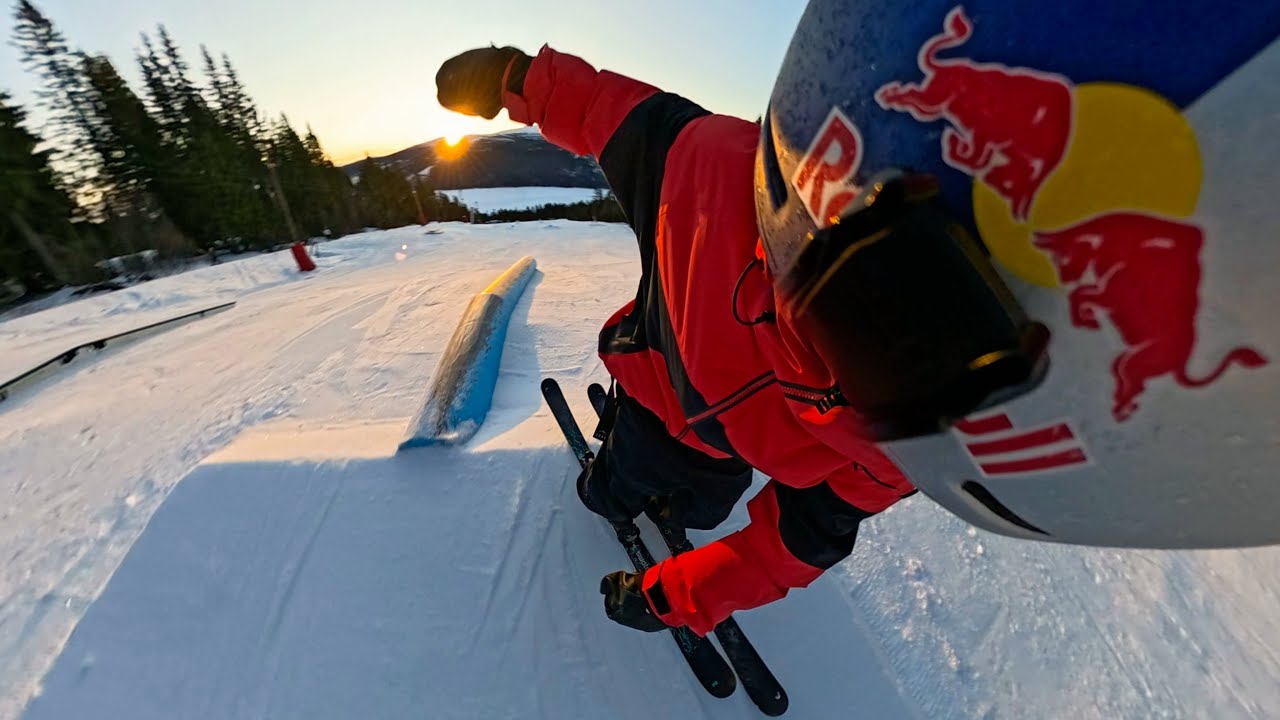
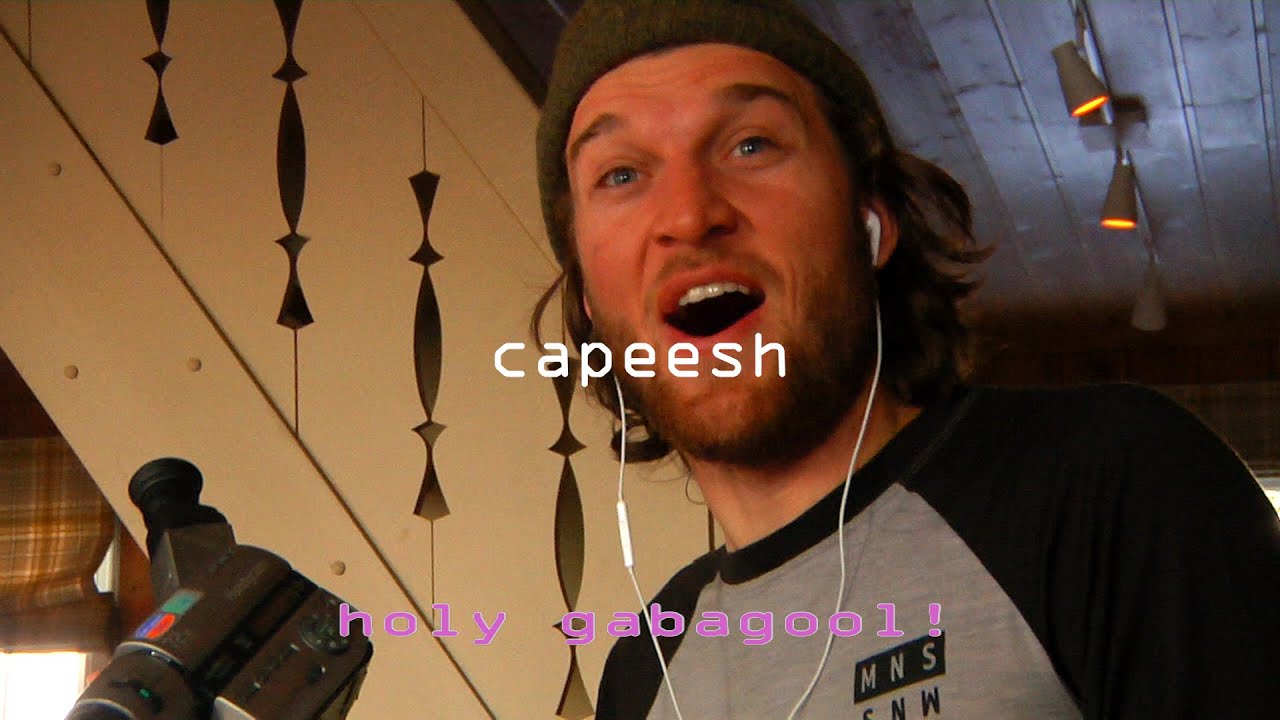
Jesper Tjäder
Profile and significance
Jesper Tjäder is a Swedish freeski phenomenon, a three-time Olympian and one of the most creative rail skiers the sport has ever seen. Born in Östersund in 1994 and now based in Åre, he has spent more than a decade at the sharp end of slopestyle and big air while simultaneously redefining what is possible on rails and unconventional features. His competitive résumé alone is elite: a slopestyle bronze medal at the Beijing 2022 Winter Olympics, multiple X Games medals including Ski Knuckle Huck gold in Aspen 2023, and a FIS slopestyle Crystal Globe from the 2013–14 World Cup season.:contentReference[oaicite:1]{index=1}
But Tjäder’s significance stretches far beyond podium counts. He holds the Guinness World Record for the longest rail slide on skis, having cleared a 154.49-metre feature in Åre after years of planning and well over a hundred attempts.:contentReference[oaicite:2]{index=2} He is also the mind behind projects like Unrailistic and a long list of viral edits, where loop rails, step-down transfers and bizarre, theme-park-style jibs turn into lines that feel closer to video-game levels than traditional parks. Supported by partners such as Red Bull, Head, Swatch, GoPro and Scandinavian outerwear and hardgoods brands, he has become both a competition star and a full-time ideas engine for modern freeski.:contentReference[oaicite:3]{index=3}
Competitive arc and key venues
Tjäder’s competitive arc begins like many Scandinavian prodigies: early days lapping Åre’s park, quick progression through national teams, and then a rapid jump onto the international slopestyle circuit. By his late teens he was already a regular on FIS World Cup start lists, and in 2013–14 he captured the overall slopestyle Crystal Globe, proof that his creativity could also deliver consistent results over a full season.:contentReference[oaicite:4]{index=4} That form carried him to three consecutive Olympic Games—Sochi 2014, PyeongChang 2018 and Beijing 2022—culminating in his bronze medal run at Genting Snow Park, where he finally converted years of near-misses into an Olympic podium.:contentReference[oaicite:5]{index=5}
In parallel, he became a fixture at X Games. Dozens of appearances across Aspen and Norway in slopestyle, big air and, later, Knuckle Huck built a long competitive legacy, crowned by his Ski Knuckle Huck gold at Aspen 2023 and a further Knuckle Huck podium in 2024.:contentReference[oaicite:6]{index=6} World Cup podiums in both slopestyle and big air followed, giving him one of the most complete competitive profiles in the freeski field. Aspen, of course, is one of his defining venues, but so are the parks and big airs of Europe’s glacier stops and scaffolding events. At home, Åre and Sweden’s urban hills are the constant thread, appearing in everything from his earliest national-team edits to his latest record projects.
Recently he has blended competition with events he helps shape himself. Red Bull Unrailistic in Åre invites many of the world’s best freeskiers to ride a rail course he designs, turning his imagination into a full contest venue, while the Scandinavian Team Battle on dryslope at CopenHill in Copenhagen and synthetic setups in Stockholm show him using summer and off-snow formats as genuine stages rather than side shows.:contentReference[oaicite:7]{index=7}
How they ski: what to watch for
Watching Jesper Tjäder, the first thing to notice is how completely he trusts his edges and bases on features most riders would not even step to. On a standard slopestyle course he is already one of the most technical rail riders in the field, often choosing transfer lines, backslides and redirect moves where others take more straightforward options. His jump tricks are modern and competitive—double corks and switch variations with proper grabs—but even on the biggest hits his approach remains smooth rather than frantic, with measured speed and a clear takeoff line.
It is on rail-focused projects where his style really shines. Unrailistic-style setups feature loops, open loops, sideways takeoffs and rails that twist through space like roller-coaster track, yet he moves through them with a calm, centered stance and an almost casual ability to flip, spin and slide in directions that should not be possible.:contentReference[oaicite:8]{index=8} The world-record rail in Åre is a perfect example: he jumps on at high speed, locks his leading ski precisely on the pipe and stays balanced for more than 150 metres, adjusting subtly to every ripple in the metal without any visible panic.:contentReference[oaicite:9]{index=9}
For fans and progressing skiers, the details worth studying are his entries and exits. He rarely “hucks” in; instead, he uses small lateral movements to line up the feature, sets his body position early and then commits fully. On the way out, he often uses tiny terrain changes or the very end of a rail to squeeze in a last tweak, revert or spin that completes the line. Watching his Olympic slopestyle run back-to-back with his Unrailistic clips is a masterclass in how one rail philosophy can translate from wild concept builds to pressure-cooker contest runs.
Resilience, filming, and influence
Tjäder’s career is impossible to separate from resilience. The world-record rail alone required around three days of work and 127 attempts before he finally rode out the full 154.49 metres, a process that involved repeated high-speed crashes and relentless fine-tuning of speed, stance and rail construction.:contentReference[oaicite:10]{index=10} Many of his more experimental projects have a similar backstory: years of thinking about a feature, working with shapers and engineers, then accepting that some attempts will end in spectacular slams.
As a filmer and project lead, he also carries much of the creative workload. His Unrailistic series, looping-rail concepts, “no snow, no problem” dryslope edits and recent full-length street video all showcase an athlete who is just as engaged behind the camera as in front of it.:contentReference[oaicite:11]{index=11} Collaborations with production outfits and brand media teams give him the resources to turn wild ideas into cinematic pieces, but the tone remains unmistakably his: playful, inventive, and not afraid to show the rough cuts, crashes and build days that lead to the final clip.
Influence-wise, Jesper has become a touchstone for creativity inside an increasingly structured sport. Younger riders cite him as proof that you can attend Olympics and X Games, win serious medals and still devote enormous energy to experimental spots, dryslope sessions and elaborate rail builds. Media coverage regularly frames him as the freeski “mad scientist,” but under the spectacle is a clear technical message: progression often comes from rethinking how you use terrain, not only from adding another 180 to the spin.
Geography that built the toolkit
Geography is central to how Jesper skis. He grew up in Östersund and learned to ski at Åre, Scandinavia’s largest ski resort, where stormy weather, changing light and a mix of piste, park and sidecountry forced quick adaptation from an early age.:contentReference[oaicite:12]{index=12} The park culture there, combined with Sweden’s strong freestyle tradition, provided a natural environment for building rail skills and jump fundamentals long before he hit the World Cup.
Over time, that home base expanded into a global map. Aspen has been his second home for years through repeated X Games appearances; big scaffolding jumps and technical rail sections there gave him the chance to test his wildest ideas under contest pressure. World Cup stops across Europe and North America added variety in snow type and course design, demanding that he adapt his creative instincts to whatever rails and jumps course builders provided. Urban and synthetic environments have now become an equally important part of his geography: summer sessions at Hammarbybacken in Stockholm, dryslope shoots and Scandinavian Team Battle wins at CopenHill in Copenhagen, and city-center setups that bring freeski to audiences far from traditional mountains.:contentReference[oaicite:13]{index=13} Together, these locations explain why he looks so comfortable whether he is sliding a record-breaking rail in Sweden or throwing a late-night Knuckle Huck trick in Colorado.
Equipment and partners: practical takeaways
Tjäder’s gear choices reflect the demands of high-level slopestyle, big air and technical rail work. His park setup is built around Head Oblivion skis, typically the narrower Oblivion 84 for contests where stiffness, edge grip and quick edge-to-edge response are crucial, and the slightly wider Oblivion 94 for more playful park and video sessions.:contentReference[oaicite:14]{index=14} Matching boots and bindings are tuned to balance retention and safe release when spins, flips and rail impacts stack up over long days. Helmets and protection come from long-term partners like Sweet Protection, while outerwear from brands such as Dope Snow and travel gear from DB ensure he can move comfortably between winter resort life, city rail missions and summer carpets.:contentReference[oaicite:15]{index=15} Accessories and media tools from Swatch and GoPro underline his dual role as athlete and content creator, capturing projects that depend on both precise skiing and strong visuals.:contentReference[oaicite:16]{index=16}
For skiers looking to take practical lessons from his setup, the key is understanding why it works, not copying it piece for piece. Rails and knuckle tricks reward skis that are sturdy underfoot, with enough torsional stiffness to hold an edge on takeoff but enough forgiveness in the tips and tails to butter, press and recover from imperfect landings. Bindings must be set up carefully—too loose and they pre-release on impact, too tight and they increase injury risk during inevitable slams. Protective equipment is non-negotiable when you spend your time on steel and concrete, and filming-heavy projects benefit hugely from reliable cameras and simple mounting solutions. Jesper’s system is built to let him attempt wild ideas repeatedly; that is the standard to aim for if you plan to explore similar terrain.
Why fans and progressing skiers care
Fans care about Jesper Tjäder because he represents the rare overlap between elite contest skier, world-record holder and endlessly creative rail experimenter. His Olympic bronze medal in slopestyle proves he can deliver under the strictest judging criteria, while his X Games Knuckle Huck gold and returning podiums show that he thrives in more open formats where imagination matters as much as difficulty.:contentReference[oaicite:17]{index=17} At the same time, his most-watched clips are often from projects that are only loosely connected to the contest world: the looping rails, the record slide, the dryslope escapades and, most recently, full-length street videos that blend high-consequence spots with his signature playful tone.
For progressing skiers, Jesper offers a powerful blueprint. He proves that you can come from a northern resort town, build world-class park skills, compete at three Olympics and still devote huge energy to weird ideas that might never fit inside a normal slopestyle course. His career underlines the value of persistence—sticking with a rail for 127 attempts if that is what it takes—as well as the importance of creativity, community events and thoughtful equipment choices. Whether viewers are chasing their first rail slide or dreaming about designing their own Unrailistic course, following Jesper Tjäder is a way to understand how freeski can be both a high-performance sport and a playground for some of the most inventive skiing on the planet.